“I don’t want to be part of your revolution if I can’t dance.” – Emma Goldman, Political Activist
I have always been enamoured by music’s role within the political sphere. Whether it be through grassroots gangsta rap, anarchy ridden punk or otherworldly techno, music has an inherent ability to condense the voices of millions into one. Or sometimes, it simply makes enough fucking noise until everyone finally shuts up and listens. Feminist Pop-punk band Le Tigre took the latter approach as they masked their incendiary feminist lyrics with hip-swinging, fist-bumping Pop-punk music that brought the political conversation crashing onto the dancefloor. Their hit track ‘Deceptacon’ on their self-titled album, Le Tigre, epitomises their political approach to music, and upon first listen it had me hooked. It’s a track that’ll put hairs on your chest, make pure Colombian blow about as potent as a builder’s tea and choke slam you off the top rope. It was love at first sight.
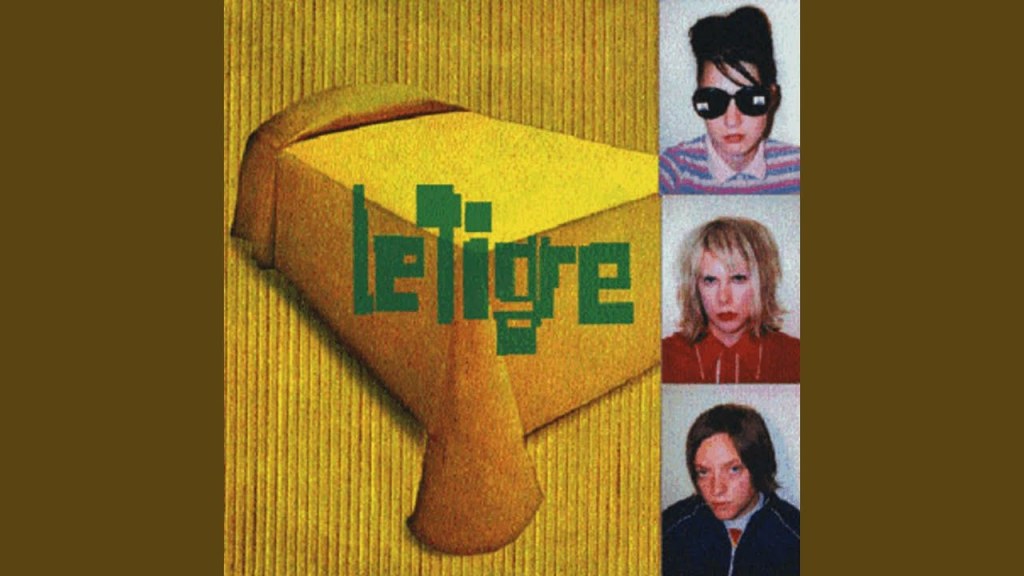
Conceived by filmmaker Sadie Benning, zine creator Johanna Fateman and last but not least, ex-Bikini Kill lead vocalist and quintessential riot grrrl, Kathleen Hanna, Le Tigre on paper should never have worked – two-thirds of the band weren’t even musicians. Their self-titled album was a slapdash collage, but it’s also an album charged with a sense of discovery, of these three women figuring out what kinds of sounds they could make, and aiming them at an audience of people who equally were trying to figure out what type of political sound they wanted to scream. This messy approach reaches boiling point on ‘Deceptacon’, the very first song on the album. These girls get straight to the point.
‘Deceptacon’ hits like a bomb.
Straight from the word ‘go’ the track seemingly grabs your head and shouts “LISTEN TO ME! LISTEN TO ME!”. I certainly wasn’t going to tell it ‘no’. It takes a nonsense chorus hook from a novelty oldie and a title from the bad robots on Transformers, repurposing them into a joyously derisive anthem that still triggers adrenaline. A blood-pumping kick drum rhythm lays the kindling before a thumping bass hook and high-pitched electric guitar sparks the track into a frenzied wildfire that spread to dancefloors all over America. The track has a certain addictive nature to it, as it seems to continuously build and build towards climactic heights. You find yourself clinging on like some sort of crazed adrenaline junkie, yearning for that next hit of punk-laced sonic cocaine. I’ve gone weeks before without my hit of ‘Deceptacon‘ only for that plucky, screeching guitar riff at 1:34 to cause me to relapse. Sometimes I can get caught up in fancy jargon when talking about a song I like, so I’ll keep it simple, ‘Deceptacon‘ just sounds so fucking good. By pasting together early electro hip-hop, 80s-style drum machines, 50s doo wop flourishes, catchy new-wave guitar and girl group chants, Le Tigre create a potent cocktail of addictive fun.
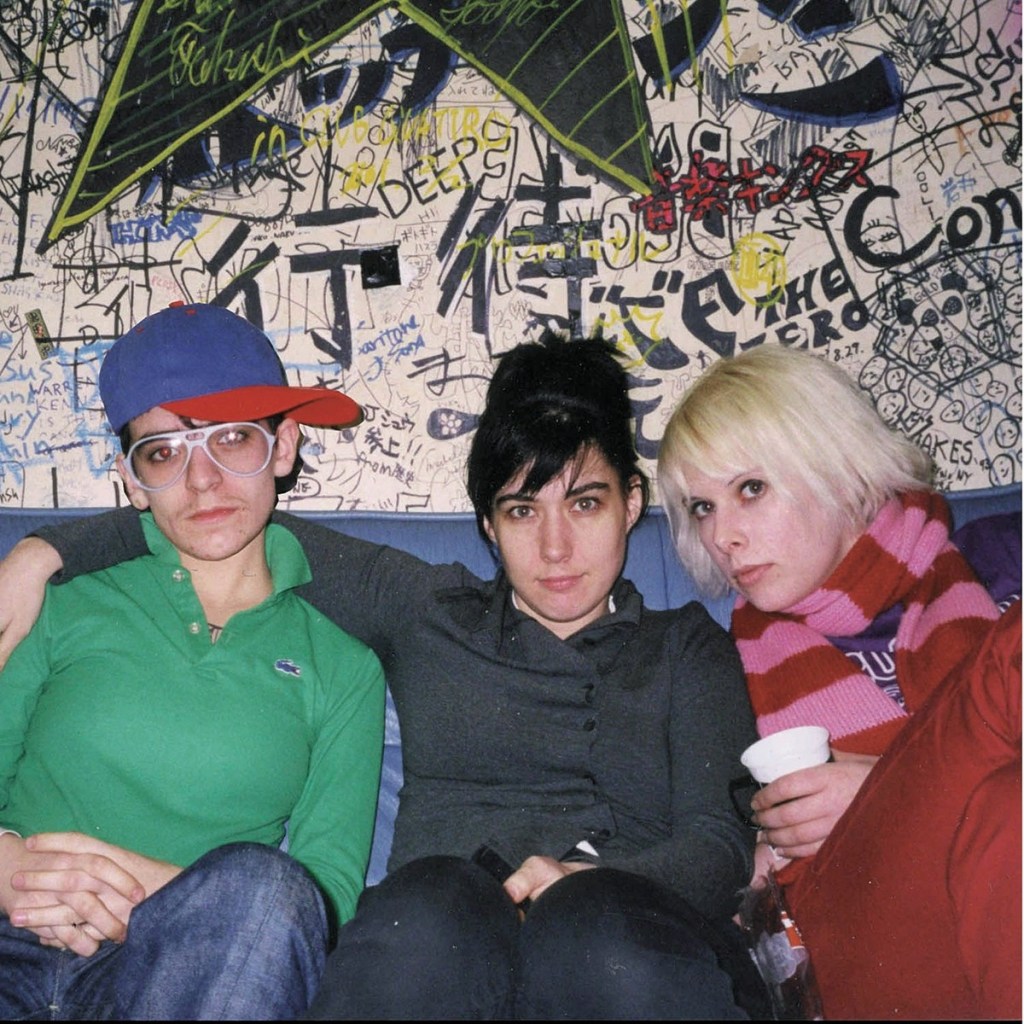
The thing about drugs is, when they feel good, you don’t care what’s in them, and if ‘Deceptacon‘ is the drug-fuelled experience, then the lyrics are the chemical formula. Le Tigre had struck gold with their sound, people would listen no matter what they said, so they took this chance to talk their shit. Kathleen Hanna was THE riot-grrrl and as the 90s progressed and she moved band, the movement began to lose its poignancy, yet she didn’t intend on letting that happen so injected its politics with an inherent danceability. They sugar the pill with an infectious, almost poppy danceability, making it that much easier to swallow, all the while lacing it with potent feminist politics. Their pop-punk cloak masks their political agenda, allowing the song to be played to the masses rather than shoved into the gutter, only to ricochet around the underground scene, never to see the light of day.
Donning a danceable façade, Le Tigre were able to politicise pop – something nobody was trying to do in 1999 – and, in the process, they call out not only other artists’ reluctance to communicate societal issues in their music, but the listeners obligation to listen. The line “Let me hear you depoliticise my rhyme” references those who may not agree with her lyrics and political beliefs, and so, pretend the track is apolitical. Hanna is taking authority here; she dares the listener to try to remove the politics from Le Tigre’s sound. Later we see Hanna criticise the more mainstream bands for not using their platform to raise awareness for important feminist issues:
Yr so policy free and yr fantasy wheels
And everything you think and everything you feel
Is alright, alright, alright, alright
Most likely a dig at the Spice Girls, who arguably commercialised feminism and engaged in depoliticization, here Hanna sarcastically attacks their fantasised outlook on positivity and girl power. Le Tigre recognises that the reality for most women isn’t “alright” and they want to make enough noise to make people realise that. Hanna howls these cutting lyrics over a hyperactive surf-guitar riff and a rickety drum-machine thump, allowing her band to reach the masses, without having to sacrifice their lyrical content.
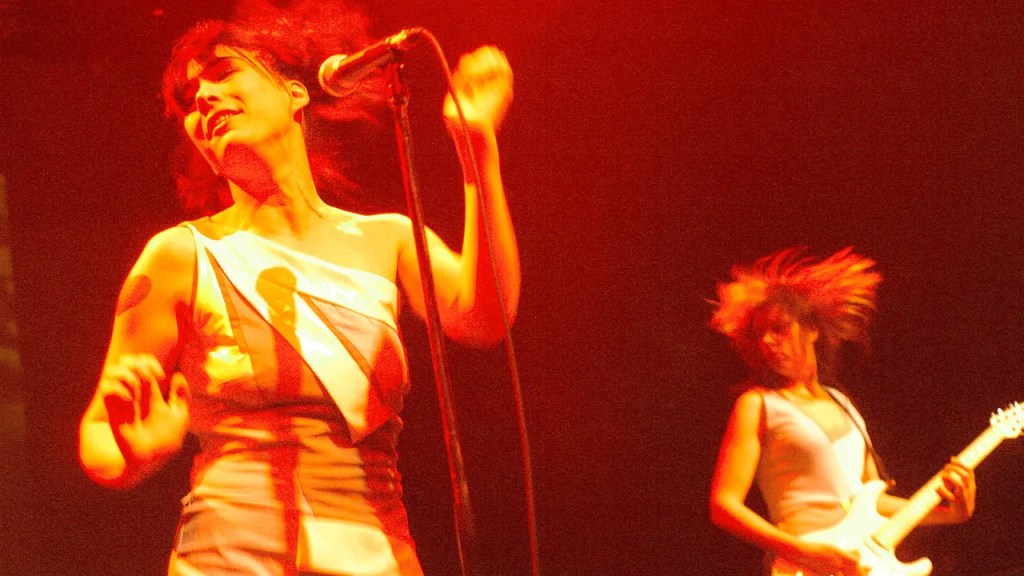
If the track doesn’t inspire you to go out and form a band or start a revolution, then it will have inspired you to at least read theory, watch a documentary or acquaint yourself with any number of the references contained within. If we’ve learned anything from the fractured, polarised, nuance-free present, it’s that this alone is worth its weight in gold. Le Tigre attempted to start a revolution the only way they knew how, on the dancefloor.
 The Jukebox