I’ve always seen Radiohead’s distinctive sound as being synonymous with an unavoidable apocalypse (cheery I know). If you don’t know what I mean, I urge you to listen to the last minute of ‘Exit Music (For A Film)’ and you’ll understand immediately. To me, the bleak, melancholic, gut-wrenching noise of their tracks, supported by Thom Yorke’s strained, neurotic vocal performances, muster up visions of a future where a crumbling dystopia has replaced whatever notions of law and order we previously had. I find this weirdly niche sound lays the foundation for most topics they choose to explore, as the band focuses on the ecstasy that can be found within the face of total agony. Celebrating every last inch of emotion, Radiohead’s ‘Jigsaw Falling Into Place’ on their album ‘In Rainbows’ highlights the importance of exercising our right for freedom before it disintegrates into the ether.
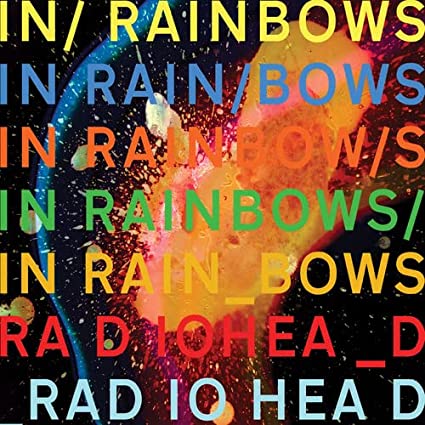
One of my most beloved Radiohead songs, and of all time, ‘Jigsaw’ epitomises this apocalyptic / post-apocalyptic sound I want to explore. Like on ‘Bodysnatchers’ and ‘Weird Fishes/Arpeggi’ before it, ‘Jigsaw’ eschews a verse/chorus/verse structure in favour of a gradual build towards a cataclysmic crescendo. The effect of this song structure, along with the abundance of layering musical parts, is that the song’s tempo quickens to an almost frightening rate. Such an increase in tempo constructs a sense of panic that runs throughout the track. If you compare Phil Selway’s drums and Johnny Greenwood’s guitar at the start with those at the end you have two vastly different performances. During the closing moments, each smack of the drum or pluck of a string seems rushed, anxious and out of control. As the song quickens, the precision slips away in favour of speed. It’s almost as if the very track itself is desperately trying to escape from a malevolent presence that’s closing in.
When such a structure is paired with Thom Yorke’s scintillating vocal performance, a dark, foreboding soundscape is inescapable. Yorke begins in a rather controlled manner. For much of the first third of the track we hear a monotone, self-assured man keeping pace with the surrounding instrumentation. It’s only at the 2:16 mark when we see that professional demeanour begin to falter. Yelling ‘The beat goes round and round’, he begins to strain himself, ever so slightly falling behind the pace – panic sets in. As of this moment we hear a different man. A wild man. A scared man. Between each lyric you can make out Yorke gasping for breath as he helplessly tries to compose himself before plunging back in. Along with the erratic twangs of Greenwood’s guitar and deafening pounds of Selway’s drums, Yorke loses control. By the 3:12 mark his vocals perfectly align with the song’s desire to frantically escape. Emotionally drained, we hear every last drop of energy trickle out his throat as he wails into the murk a final battle cry, or maybe it’s a desperate plea for mercy?
The apocalyptic soundscape on ‘Jigsaw’ is undeniable, however, the actual lyrical content suggests it focuses on the everyday. During an interview with NME in 2007, Yorke stated that the song was about how he “used to go out occasionally and witness the chaos of a weekend around here (Oxford)”, a ritual in which he and his friends would try to “forget en masse”. However, in typical Radiohead fashion “there’s a much darker side”, a side that’s up for interpretation, and one which I see as much more than a regular night out.
The track follows the events of a messy, intoxicated night out as two individuals continue to catch each other’s eyes through the drunken haze of a night club, moving around each other’s orbit, desperate for intimacy. With the narrative positioned within the frantic sonic background you can feel a palpable sense of urgency for the two to exercise their desires before the night reaches an end. Upon listening to the song, you can’t help but feel like the end of the night means something more, almost as if this time there will be no morning after. It’s less matter-of-fact and more, in typical apocalyptic Radiohead fashion, a metaphor for something bigger coming to an end.
With Yorke’s hopelessly strained vocals the lyrics take on a new meaning, one that’s more complex than just a one-off fling. During the second verse he’s almost begging to be noticed as he belts out, “Before you run away from me”. There’s a finality to every action, suggesting he’ll never get this chance again, not just with this partner, but any partner. This feeling reaches its climax in the closing moments of the track:
‘You eye each other as you pass,
She looks back, you look back,
Not just once, not just twice’
Both share a desperate look, mourning what could have been as that sense of finality turns into a realisation. In the face of no tomorrow, we undoubtedly will want to exercise our capacity for human connection, whether that be through a celebration of family, reaching out to a forgotten friend or finding solace within the kindness of strangers. The two in ‘Jigsaw’ are denied this basic liberty of human expression, instead forced to perpetually endure the unforgiving reality of isolation.
They missed their chance, and they won’t get it again.
 The Jukebox