Lana Del Rey: Romanticising the Unromantic

One of my favourite quotes comes from actor, Ethan Hawke, being asked “Do you think human creativity matters?”. His response reads:

Most people don’t spend a lot of time thinking about poetry. Right? They have a life to live, and they’re not really that concerned with Allen Ginsberg’s poems or anybody’s poems until their father dies, they go to a funeral, you lose a child, somebody breaks your heart, they don’t love you anymore, and all of a sudden, you’re desperate for making sense out of this life, and, ‘Has anybody ever felt this bad before? How did they come out of this cloud?’ … ‘What is happening to me?’ … And that’s when art’s not a luxury, it’s actually sustenance. We need it.

This singular quote changed my entire perspective on how I see the world, and in this case, music. It’s such a sentiment that I think underlines Lana Del Rey’s ethos as a musician. I remember when I first listened to her discography, I thought to myself ‘Why would anyone ever want to listen to anything this dreary?’. In light of Hawke’s insight, I have begun to read Lana’s sound in an entirely new way. Her music is to be applied to your own situation, make sense of whatever struggle you have, and guide your hand through the fire and out the other side unscathed. In Hawke’s words “it’s actually sustenance”.
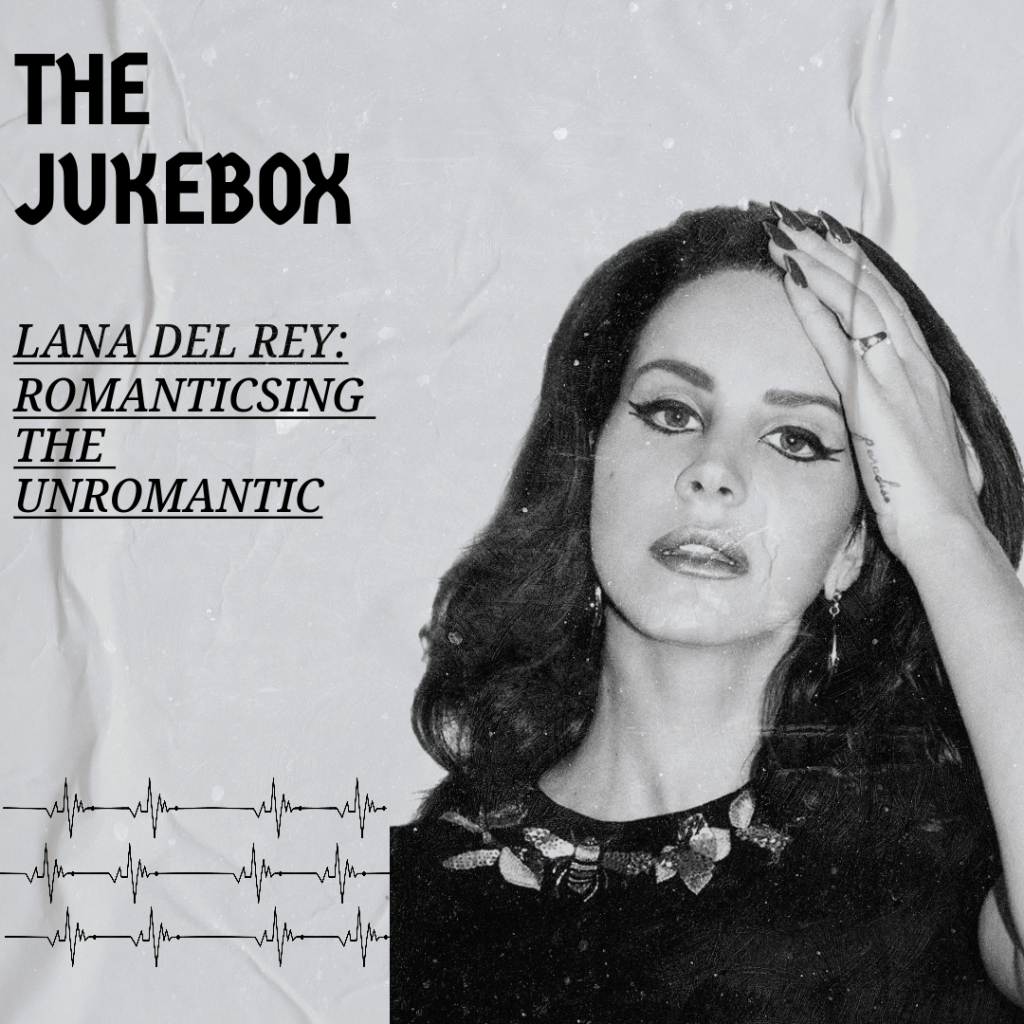
The creation of singer songwriter, Lizzy Grant, known professionally as Lana Del Rey, so often harnesses her emotional trauma in her music, boldly tackling extremely difficult topics such as substance abuse, toxic relationships, physical abuse and submissive naivety. A heady cocktail of sadness that many understandably choose to avoid, Del Rey continues to bravely speak her harrowing truths, wear her heart on her sleeve and explore the realities that so many experience and too few have the courage to broadcast to the masses. Being a unique figure in the music industry, Del Rey is utterly, desperately alone; exempt from any particular musical scene, void of any impersonators and resistant to imitation. This loneliness underpins so much of her sound, yet is oftentimes shockingly romanticised. From the moment her name leaves your mouth, Lana Del Rey has curated her own luxurious aesthetic that musters up visions of lavish ballrooms, opulent colour, and affluent old-money appeal. From her appearance on the ‘Great Gatsby’ soundtrack, to her muse being portrayed on the front cover of Vogue, her image screams success; yet her voice mutters in quiet desperation.

Through her tragically beautiful chords, time and time again Del Rey’s  fluttering, ornate instrumentations have perked the ears of millions, whilst her melancholy vocals have touched the hearts of those adrift. This dichotomy of sound is at its most recognisable on Del Rey’s third studio album Ultraviolence. At her most vulnerable, Del Rey taps into her loneliness and proceeds to suck it dry. The overarching feeling is a sense of seediness, desperation, and a hyper-romanticised focus on brutal isolation and loss. All these themes are blown up to gigantic proportions as Lana rides the blue crest of sadness across the album’s entire runtime. Wholly blending the romantic with the unromantic is the album’s title track ‘Ultraviolence’. An orchestra of hopeful strings thrusts us into a regal amphitheatre of blind romance, whilst the supporting piano chords and buoyant bass guitar add the final flourishes to an instrumentation fit for an angel. The reality, however, is that this instrumentation merely clothes the devil in a new dress, serving as a façade to a song in which love and physical abuse are intertwined. Scattered throughout the track is Lana’s trademark iconography in which love takes on an ugly face, through terrifying utterances like “He hit me and it felt like a kiss” and “Give me all of that ultraviolence”. The harsh reality of abuse is right there front and centre. Yet, blinded by the beautiful soundscape Del Rey creates, the lines of love and violence somehow blur for us just as much as they did for her, causing the “sirens” to sound like “violins”.
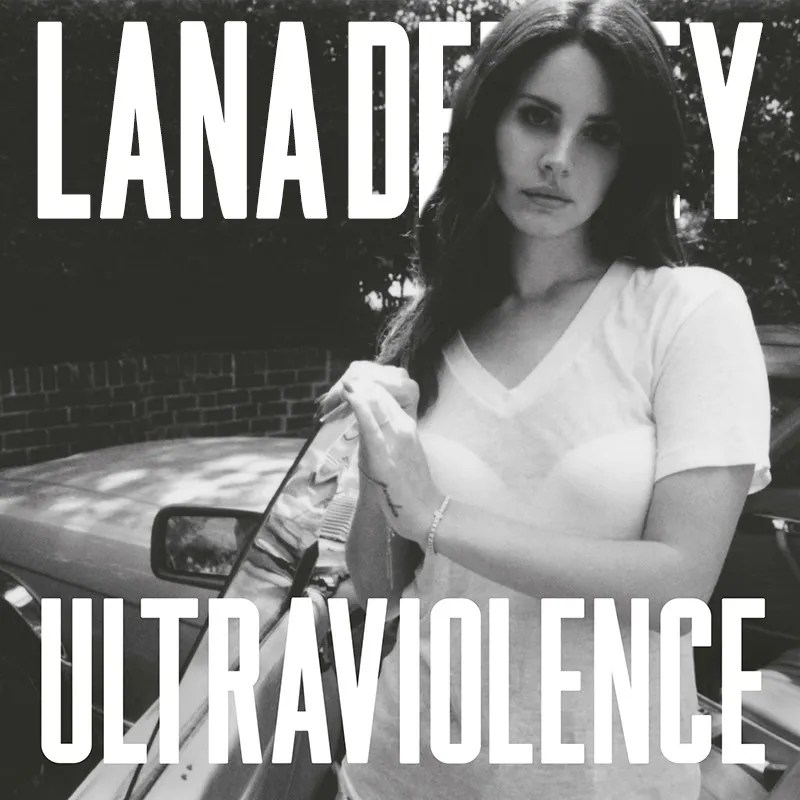
Her songs are slow and atmospheric, filled with theatrical melancholy, encompassing familiar themes of women in trouble due to their yearning for abusive men who remain, somehow, toxically irresistible. Off the same album, the track ‘Sad Girl’ further enforces this sonic philosophy as Del Rey acknowledges her own willing subservience at being the “mistress on the side” despite longing for something more. As the song progresses, her initial stubbornness wears away as she reveals to the listener that no matter how much she tries to see this relationship in a positive light, this setup will forever make her a “sad girl”. Such a declaration creates the structure for the chorus, as Lana repetitively hurls this self-flagellation into the ether, emphasising her anguish and engulfing the song in her craving for something real. All the while, Del Rey maintains one cutting line throughout; “But you haven’t seen my man”. Somehow within this mixing pot of sorrow, for me that line holds the most purpose. It negates all of Del Rey’s self-recognition, as even when presented with all the facts, she will still justify being the “mistress” and remain under her man’s irresistible spell casted through his physical allure. 
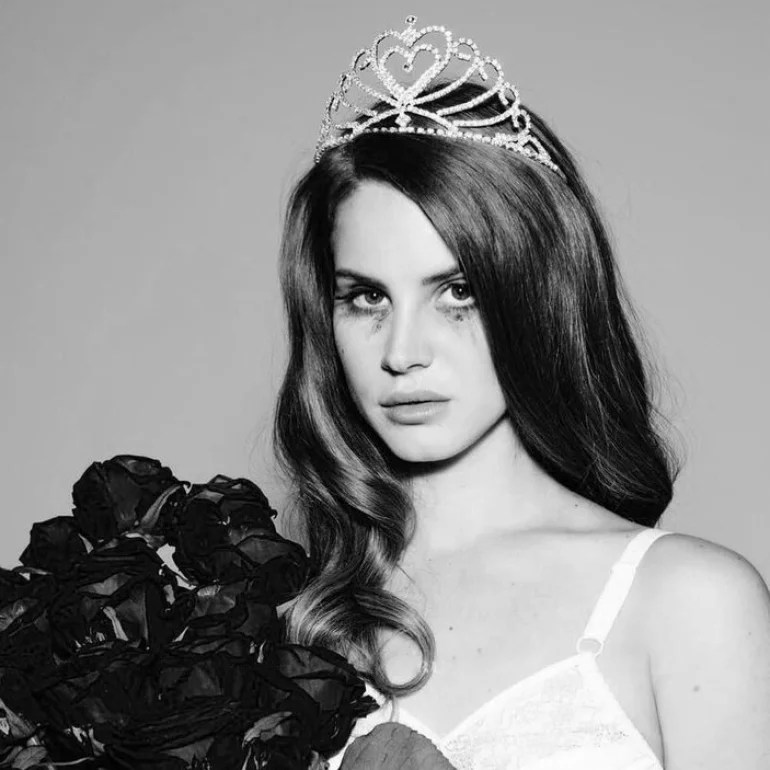
Off her critically acclaimed album Norman Fucking Rockwell, ‘Cinnamon Girl’ is another deep dive into Del Rey’s experiences with love, as she painstakingly yearns for an end to her damaging history with men, to such an extent that she fabricates a potential future with a present that was never even there. Once again, Del Rey plunges us into a theatre of idealistic romance with a seductive instrumentation, packed to the brim with melodic piano chords, an ensemble of violins, and Del Rey’s quintessential angelic tone as her voice becomes a beacon of hope. Every piece of the music works in perfect harmony to summon up a reality of unconditional love, a reality which Del Rey envisages.  The truth is less melodic, it’s abrasive, it’s dark; it’s unrequited love. From the offset, we are presented with an unbalanced relationship as the subject of Del Rey’s desires continually takes pills to push her away and keep her “at arm’s length”. Whether these pills are used to escape his problems, forget about Lana’s existence or simply scare her away, we don’t know, but she continually finds her “way back in” despite all the warning signs. As we enter the chorus, Del Rey reveals what she has been searching for all along and why she continually embarks on the long journey back to her supposed safe haven:

But if you hold me without hurting me,

You’ll be the first whoever did

These two lines encompass everything she has ever wanted – a passion for closeness, security and comfort – three things which run in contrast with her distant and cold reality at arm’s length. Prior to this declaration the line “There’s things I wanna talk about, but better not to give”, demonstrates her acceptance that she is unable to ask for this closeness. Out of a fear of encroaching on her partner’s freedom and an even larger anxiety of becoming a nuisance to his way of life, Del Rey bites her tongue and deprives herself of what she truly wants. Fearful of isolation and powerless to change anything, Del Rey remains within a stagnant relationship that will forever leave a bitter taste in her mouth – bringing a new meaning to Cinnamon Girl.

Del Rey frequently addresses the emotional suffering and manipulation at the core of so many of her experiences, and never holds back with her honesty. It’s heart-breaking. So why does it always sound so good? To hark back to Ethan Hawke’s quote, it’s sustenance. Music is a portal through which people can engage with and apply to their own situation, not just to validate their own feelings, but to begin to seek a way out of the darkness. Del Rey’s music certainly makes those who have shared similar experiences feel seen, and that undoubtedly helps to overcome those feelings of isolation, but the reason, I believe, Del Rey makes music is to spur on a positive change. Her glamorisation of depression and submissiveness (to name a few) forces people to engage with her songs, sing her choruses and no matter how subconsciously, consider their own experiences with the ubiquitous nature of relationships, both with ourselves and to others. The desperation for mutual connection runs consistently through her tracks and almost disturbs with its frequency and brutality. If listening to ‘Ultraviolence’, ‘Sad Girl’, or any other bleak Lana track, feels like looking into a mirror, then it forces us to look inward. She creates music to entice us into her web, where we are forced to question our own situation before her angelic falsettos cut viscerally into our very soul, warning us to stay any longer. 

With Lana’s tendency to dive headfirst into deeply disturbing and uncomfortable topics, you absolutely have to be willing to go with her and be open to uncovering the reality of her situation and perhaps in turn your very own. To have such misery reflected back at oneself should result in one thing – change.
Ceremony: From the fire a phoenix is born

More often than not a song will incite some personal response within me, causing me to tumble down a rabbit hole of thoughts as I try apply the tracks messaging to the wider scope of life. Rarely however, I act on that instinct straight away, set up in front of my computer and let my fingers loose. New Order’s terrific ‘Ceremony’ however, did exactly that. Sometimes a song just finds you at the exact right time. Everything aligns, each punchy lyric hits harder than ever before, every pluck of a bass reverberates throughout your very being and you hit the repeat button time and time again. When this happens, you absolutely have to engage with that feeling.

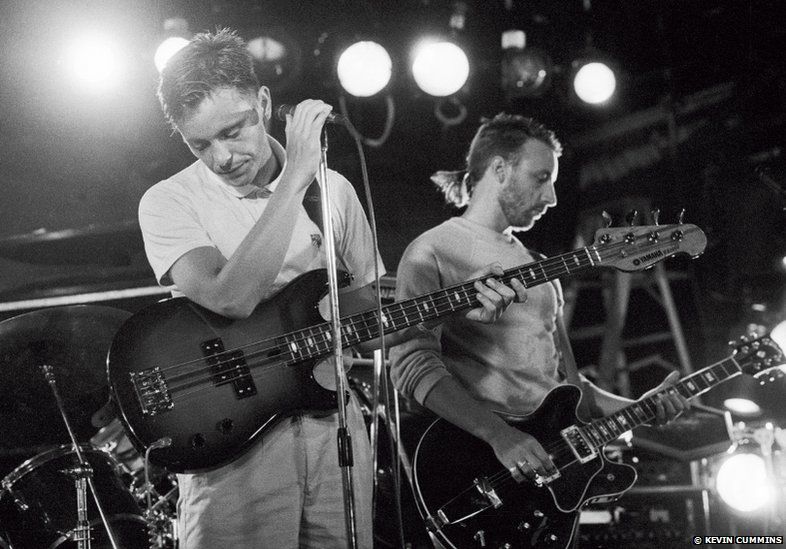
It’s no secret that the sound of life is music. From the helplessly minute to the terrifyingly large, each shade of human emotion is portrayed in its own unique way, and in the words of John Keating from Dead Poets Society, this is because “The human race is filled with passion!”. New Order’s Ceremony is overflowing with raw, complex, relatable passion, a passion which is evident not only in Bernard Sumner’s vocal performance, but the track’s recognisable desperation to be seen and listened to. It wants people to relate, it wants people to consul it and say, ‘yes yes I know what you mean’. Phil Cunningham opens the track with the guitar’s equivalent of a cry for attention. Only 28 seconds in and he’s already seemingly wrestling with this emotional beast, as you can almost picture it writhing in his hands, begging to be let loose. It grabs your attention, not only with its mesmerising energy but its tragically recognisable desperation.

So where is all this desperation coming from? I think the answer is found both in the lyrics and the songs haunting backstory. Previously Joy Division, New Order are a band who begun because something ended. They fly, because someone fell. After just two albums, the mystical lead singer of Joy Division, Ian Curtis, tragically committed suicide having struggled with epilepsy. At just 23, his family lost him too soon, the world lost an absorbing talent, and Joy Division lost their identity. Questions for the band ran rampant; How could he be gone? What do we do now? Should we go on? Who would be the vocalist?

What do we do with Ceremony?

Before Curtis died, the band were working on Ceremony and Curtis was writing the lyrics. Frozen in time, the original track was never finished, as the true lyrics got lost into the void. To this day only 3 versions of Curtis’ edition remain, each as haunting as the last. Seemingly thrusting a desperate hand from the abyss, these versions eternally remain unfinished, unclear and ambiguous, yet you can’t help but feel that Curtis was trying to tell us something. One final ode to the world he operated within. The remaining band members simply couldn’t leave this desperate wish unfulfilled. Everyone needed closure.

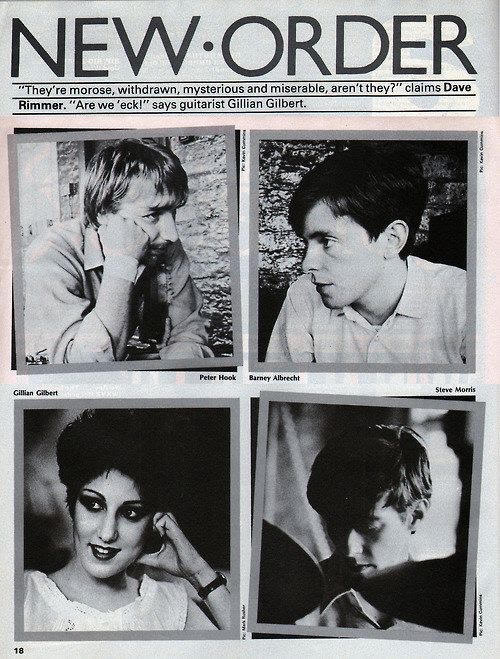
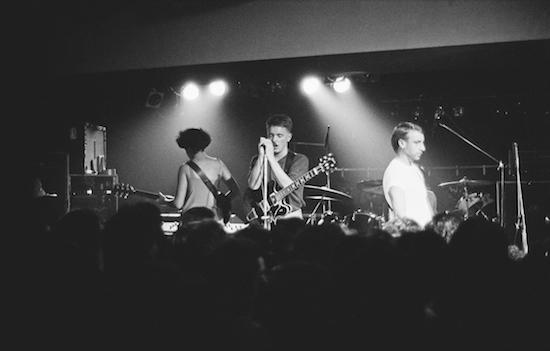
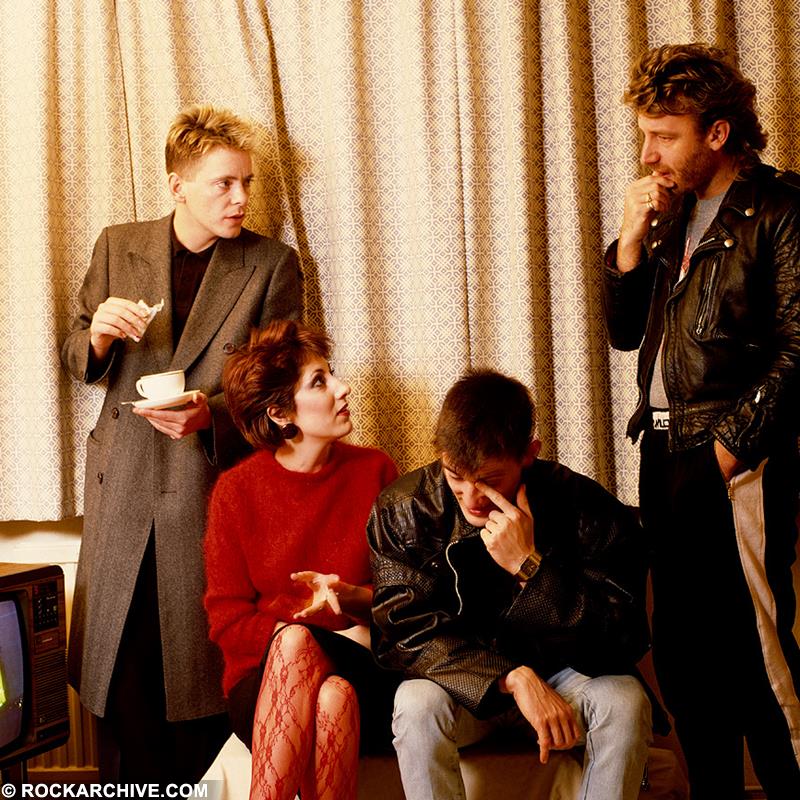
Metamorphosing into something wholly new but comfortingly similar, Joy Division restructured with Bernard Sumner stepping into the heavy shoes of lead vocalist, and Gillian Gilbert joining as keyboardist and guitarist, as Stephen Morris, Phil Cunningham, and Peter Hook remained in their existing roles. From the brink of extinction, New Order were born. It was perhaps fitting then their first release encompassed this notion that occasionally in life, the final note of a beautiful melody gracefully ends, paving the way for a symphony of new beginnings. Ceremony bridged the gap between what Joy Division had been and what New Order would become, it was about endings and subsequent beginnings.

The crushing lyrics and Curtis’ baritone howl had defined the band. But under the surface had always been a whole world of swirling synths, dancey disco-inspired beats, and melodic bass lines that would soon come to define the direction of New Order. From the fire came a phoenix, as Ceremony is not only dangerously upbeat, but more hopeful in its lyrical content, even when faced with such a harrowing past. They took something tragic, the death of a friend, and turned it into hope for the future. Up to Bernard Sumner to decipher Curtis’ lyrics from terrible audio recordings, the lyrics take a natural ambiguity, and that only plays into the tracks meaning even more. Nothing is certain within Ceremony. Is it sad? Is it happy? The song blurs the lines between emotional conventions. Just as events from our own lives blur the lines between tragedy and opportunity.

Heavily disputed on the internet, the lyrics suggest a number of possibilities – with the two most popular being that the track is about either a wedding or a funeral, both clear demonstrations of a ‘ceremony’. Two powerfully antithetical realities, such vague imagery is intended to intertwine and overlap so the track can become whatever you need it to be. It serves as an outlet of hope, or heartbreak, for your own situation, allowing your own ambiguous experience to be seen by another. With this messaging in mind, the opening lyrics read:

Notice whom for wheels are turning

Turn again and turn towards this time

For many, the song opens with the scene of a hearse snaking its way up towards the cemetery gates. Inch by inch the wheels ‘turn again’, as ‘this time’ it is the narrator’s partner’s time to leave. Their time has come to move on, and the wheels of change turn for them. Later on, the line “Avenues all lined with trees”, further reinforces this scene of a funeral procession moving towards their destination. The metaphorical nail in the coffin soon follows as Sumner, with his unwavering acceptance of life’s vicissitudes, utters the line “Picture me when you start watching”. Such a line achingly conveys the profound desire of the grieving lover that their departed soulmate continually pictures their muse as they watch down from above in their next chapter. A heart-wrenching request which brings the shattering reality of loss under the spotlight, whilst simultaneously working as a testament to the possibility of an eternal connection that transcends the bounds of mortality, as both the bereaved and deceased stand by “Forever watching love grow”. Equal parts tragic and hopeful, the double-edged nature of Ceremony demonstrates an understanding that these events are part of life, no matter how much they scar us, and must happen for new experiences and growth to stand in their place.

This poignant message is emphasised further, by viewing the track through an alternate lens. To focus on the same opening passage, the wheels turning could also allude to a much-needed change happening in someone’s life. After harbouring so much hope for a positive future, for so long, at last, the wheels of change are moving, as “this time” the individual’s efforts will be rewarded. Throughout the track, the phrase “this time” is repeated, suggesting that the narrator has tried tirelessly to achieve a certain outcome, and it’s within this very moment that their efforts finally accumulate into everything they ever dreamed of. Some have read the track as being an ode to the complexities and longing for love, with one passage hammering home our determination to express and receive love:

Oh, I’ll break them down, no mercy shown

Heaven knows, it’s got to be this time

Personally, I don’t see the wedding imagery some people do; however, these two lines certainly convey a recognisable resilience to pursue love, despite the prior hardships faced. The clause “it’s got to be this time” suggests a steadfast resoluteness to express oneself to the person they love the most, even if they’ve done it before, even if they’ve failed before, this time it will be different, “heaven knows” this time love will finally be found. Maybe the narrator has listened to their romantic interest’s needs, perhaps they have banished their inner demons, maybe they have just tried so many times their partner to-be has simply been ground down to settling for them. Nobody will ever truly know. But what we as the listener can see, is a door close, and another one open. The icy existence of solitude has melted away, beckoning in a warmer present, co-inhabited by two individuals, stood side-by-side “Forever watching love grow”.

Ceremony isn’t saccharin sweet; it operates within the confusing, ever-changing realm of life. Off the back of Curtis’ death, the remaining band members were forced to look inward, do they buckle under the weight of tragedy, or come to the understanding that not all closed doors result in the end of the road. Stemming from the track’s flexible ambiguity, there’s a happiness to Ceremony which derives from the knowledge that all good things must come to an end, in order for something better to stand in their place. We are reminded that life isn’t as black and white as we perhaps hope it to be sometimes, and it’s down to us as the consumer of life’s experiences to seek out the endless shades of grey which float in the middle. They may seem ambiguous and elusive to us now, but the more we focus our gaze, the more we see the black in the white, the white in the black, and a spectrum of hope, rage, suffering, and tranquillity in-between.

It’s songs like Ceremony that scream out into the world, pleading to be listened to. Answer the call. You will find something in return.

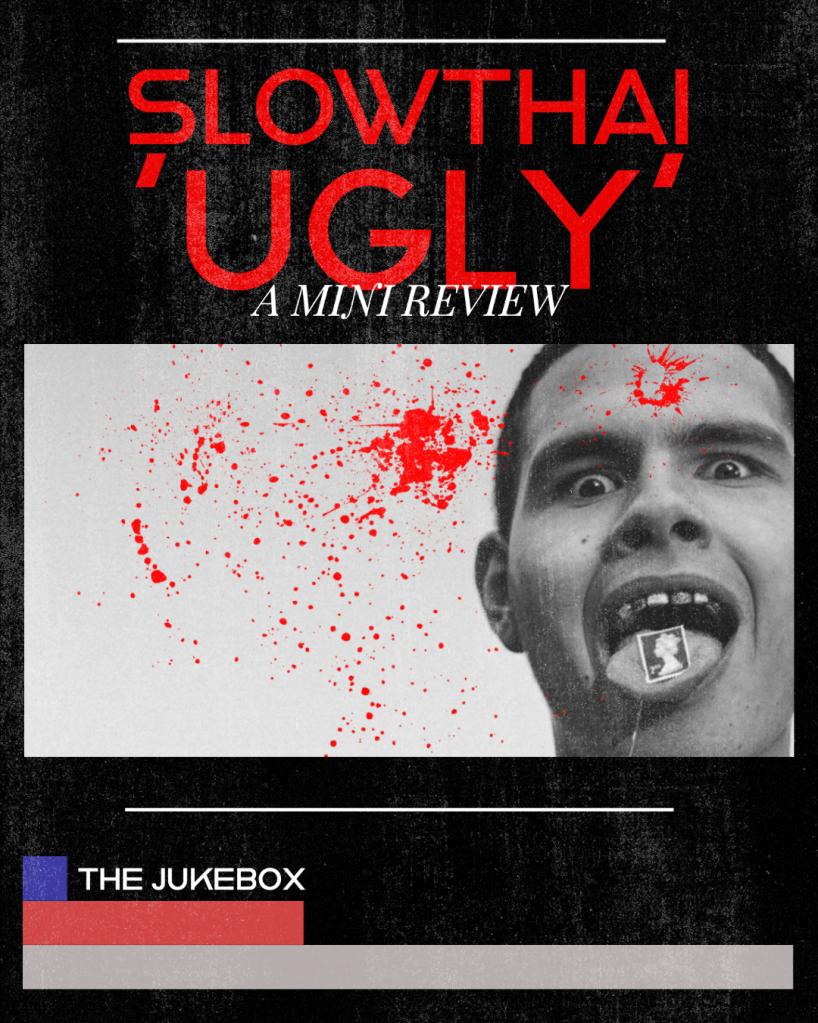
Slowthai ‘Ugly’ – A mini-review

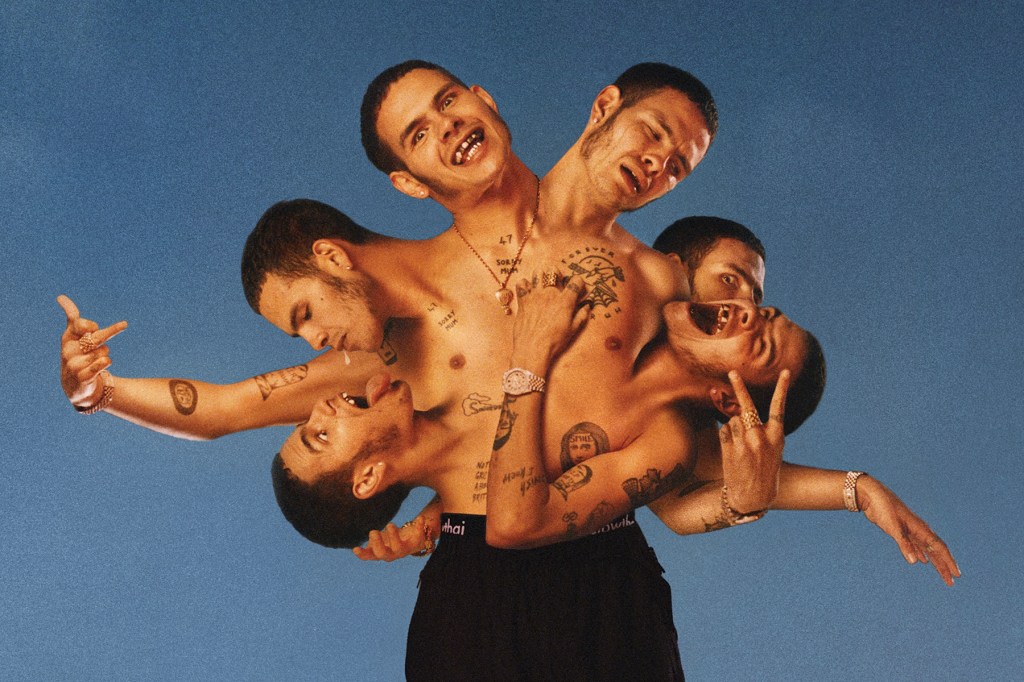
As anticipation continued to grow for Slowthai’s (Tyron Frampton) third album ‘Ugly’ upon social media I found myself, for the first time in a while, genuinely excited about a release date. As a long-time fan of his, I was not disappointed. However, after a quick search around the internet for other’s opinions, I found, to my disbelief, that some were. One review in particular from Pitchfork stated that  ‘Ugly’ “trades rapping and electronic beats for ballads and rage rock. The results are largely underwhelming.” I’m sorry, but if that’s what you took away from the album, then you’ve totally missed the point of what Slowthai stands for. It’s not an out and out swap of style, nor is it an approach to music that should come as much of a surprise if you’ve been following his journey closely. Throughout his career, Ty has been renowned for plucking from a wealth of music influences, Punk and Rage Rock being two prominent forces, meaning that he has never found himself cemented in one singular sound. Rather he bounces from one genre to the next, like a butterfly orbiting a selection of bountiful flowers, sampling each taste, before fluttering into the air to flaunt its beauty in a dramatic, irresistible, mesmerising dance. For Slowthai, ‘Ugly’ is his chance to catch our eye, fuse his passions and dance the night away.

In today’s music industry, I somewhat feel that, especially within popular music, we expect artists to remain within a comfort zone from which they found initial fame. We appear to praise music that’s the ‘same but different’ rather than something entirely unique and daring, which is where true value is found. It was this criticism of ‘Ugly’ that made me realise perhaps people prefer music made by robots; repetitive tracks which refuse to push the boat out and happily stay within their thickly padded comfort zone of routine and previous success. Those who dare step out from the shadows get smacked by aggressive review bombing, visceral tweetstorms and cutting prose from critics sat high upon their ivory towers. Slowthai dared to go against the current and, in my eyes, he succeeded.

Really it’s no surprise that Ty tried something new with ‘Ugly’. For those that have followed his career closely, we have been lucky enough to witness him break out from any genre constraints media outlets have attempted to push. By utilising his bank of music influences, Ty meticulously layers a range of sounds that inspire him. The 28-year-old rapper-slash-rockstar has always spat out caustically witty bars over abrasive beats that blend a plethora of genres from Grime, Trap and Soundcloud rap to the far reaches of Punk and Screamo. In an interview with Noisey back in 2018, Ty shone a light on some of his influences which have resulted in his own unique sound. During his childhood, Ty adored The Street’s ‘A Grand Don’t Come For Free’, a witty album which explores the reality of British life through Punk and Electro influences. Sound familiar? The more you listen to Slowthai’s discography, the more the Street’s effects are evident. Other key artists he mentions as being pivotal to his own growth cover a wonderful spectrum of sounds, from his obscure obsession with Daniel Johnstone (the guy that wrote ‘Casper the Friendly Ghost’) and interest in hard-hitting Gabba music, one of the most standout is his affinity for Radiohead, particularly their track ‘Karma Police’. With ‘Ugly’ in mind and its powerful ballad style moments, similar to those crafted by Radiohead, it’s clear to see that Ty has taken some of his favourite aspects from his most beloved tracks, and distilled them into his own style.

As previously explored, ‘Ugly’ is an album that doesn’t adhere to the mainstream, it has been conceived out of a music lover’s deep dives into the backlogs of music history, however, the album isn’t a sheep. Ty doesn’t imitate but rather he offers his own interpretation on a variety of sounds. ‘Ugly’ carves out its own messy yet vital domain; it’s a celebration of sound. A warts-and-all reckoning, the album opens on ‘Yum’, with lyrics that lean towards the positive personal affirmations that now proliferate in pop, lines you could imagine being belted out over a big power-ballad chorus: “You are great, you are good, you’re a king, you’re a queen, you’re a genius.” Yet it soon takes a swift turn into a disturbing, visceral electronic storm as Ty lists everything that’s pumping through his system: “More coke / More weed / More E’s / More trips”. Opening with a perfect storm of his many influences, Slowthai is preparing us for this genre-bending journey. Later in the album on ‘Never Again’ we hear Slowthai flip the switch back again; gone is the screaming tortured soul, and in its place emerges a beautifully soft and intimate side harmonising to a delicately plucked guitar. He’s equally capable at slowing down the pace as he is at going pedal to the metal. The chorus spotlights his capacity for vulnerability:

Still got pictures on my phone,

I still sleep on your side of the bed,

I reflect on things I should forget,

The things I should of said, I wish I did

This is a man who lets himself be fragile, and openly contemplate over a lost relationship he still yearns for. He couldn’t seem more distant from the one who shoves “coke” “weed” and “E’s” into his system to forget. It’s this ability to flutter between two extremes that makes Ty such an exciting artist, and he owes a big part of this talent to his eclectic music taste which inspires his creativity.

Never Again’s snare-heavy pattern is an inch away from a drum’n’bass break, almost as if Ty struggles to stay within one genre, instead pushing the boundaries of his own song in an attempt to break out into something different. ‘Selfish’ and ‘Falling’ dip back into those Punk influences which he loves to exercise so much, and has done previously on his 2018 hit ‘Doorman’. On ‘Falling’, a crashing drum rhythm makes the volume scale creep higher, along with Ty’s screeching vocals that sound less like a vocalist and more like someone singing along to the radio after a few drinks. It’s awfully human and wonderfully unforgiving. ‘Sooner’ opens with a happy-go-lucky guitar riff that you’d expect on a mediocre alt-rock album, as he then explores what it means to live solely by your own rules and how he wishes he had that realisation sooner. 

In this exploration we see Slowthai, yet again, retell his stories of life on society’s fringes and tackle themes of self-deprecation, anxiety and mental health crises on a track that wouldn’t look out of place on the pop charts. Ultimately, across ‘Ugly’s’ tracklist, he cherry picks elements from his favourite genres, albums and artists, yet continually adds his own idiosyncrasies. It would be easy to call ‘Ugly’ Slowthai’s alt-rock album. You can see why people could get that idea – ‘Happy’s’ string-bending distorted guitar and the screamed vocals at the end of ‘Falling’ both recall the Pixies; ‘Sooner’ opens with a breezy rhythm not unlike that of the Strokes’ ‘Last Nite’ – but that feels reductive. Take the title track, with its glowering clouds of synthesiser and woozy guitars, its gradual ratcheting of tension as Slowthai switches from singing to rapping, its singalong chorus bolstered by voices not really singing along so much as they are shrieking and bellowing: what alt-rock band sounds like this?

‘Ugly’ is its own creation. A happy catharsis of a plethora of music influences held together by an individual’s sonic curiosity and determination to try something new. An album by a music lover for music lovers.

8/10

Radiohead: The Sound of the Apocalypse

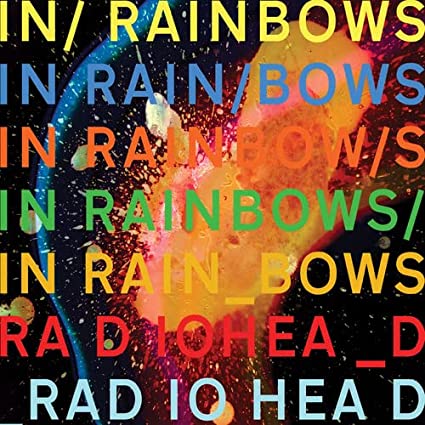
I’ve always seen Radiohead’s distinctive sound as being synonymous with an unavoidable apocalypse (cheery I know). If you don’t know what I mean, I urge you to listen to the last minute of Exit Music (For A Film) and you’ll understand immediately. To me, the bleak, melancholic, gut-wrenching noise of their tracks, supported by Thom Yorke’s strained, neurotic vocal performances, muster up visions of a future where a crumbling dystopia has replaced whatever notions of law and order we previously had. I find this weirdly niche sound lays the foundation for most topics they choose to explore, as the band focuses on the ecstasy that can be found within the face of total agony. Celebrating every last inch of emotion, Radiohead’s Jigsaw Falling Into Place on their album In Rainbows highlights the importance of exercising our right for freedom before it disintegrates into the ether.

One of my most beloved Radiohead songs,  and of all time, ‘Jigsaw’ epitomises this apocalyptic / post-apocalyptic sound I want to explore. Like on Bodysnatchers’ and Weird Fishes/Arpeggibefore it, ‘Jigsaw’ eschews a verse/chorus/verse structure in favour of a gradual build towards a cataclysmic crescendo. The effect of this song structure, along with the abundance of layering musical parts, is that the song’s tempo quickens to an almost frightening rate. Such an increase in tempo constructs a sense of panic that runs throughout the track. If you compare Phil Selway’s drums and Johnny Greenwood’s guitar at the start with those at the end you have two vastly different performances. During the closing moments, each smack of the drum or pluck of a string seems rushed, anxious and out of control. As the song quickens, the precision slips away in favour of speed. It’s almost as if the very track itself is desperately trying to escape from a malevolent presence that’s closing in.

When such a structure is paired with Thom Yorke’s scintillating vocal performance, a dark, foreboding soundscape is inescapable. Yorke begins in a rather controlled manner. For much of the first third of the track we hear a monotone, self-assured man keeping pace with the surrounding instrumentation. It’s only at the 2:16 mark when we see that professional demeanour begin to falter. Yelling ‘The beat goes round and round’, he begins to strain himself, ever so slightly falling behind the pace – panic sets in. As of this moment we hear a different man. A wild man. A scared man. Between each lyric you can make out Yorke gasping for breath as he helplessly tries to compose himself before plunging back in. Along with the erratic twangs of Greenwood’s guitar and deafening pounds of Selway’s drums, Yorke loses control. By the 3:12 mark his vocals perfectly align with the song’s desire to frantically escape. Emotionally drained, we hear every last drop of energy trickle out his throat as he wails into the murk a final battle cry, or maybe it’s a desperate plea for mercy?

The apocalyptic soundscape on ‘Jigsaw’ is undeniable, however, the actual lyrical content suggests it focuses on the everyday. During an interview with NME in 2007, Yorke stated that the song was about how he “used to go out occasionally and witness the chaos of a weekend around here (Oxford)”, a ritual in which he and his friends would try to “forget en masse”. However, in typical Radiohead fashion “there’s a much darker side”, a side that’s up for interpretation, and one which I see as much more than a regular night out.

The track follows the events of a messy, intoxicated night out as two individuals continue to catch each other’s eyes through the drunken haze of a night club, moving around each other’s orbit, desperate for intimacy. With the narrative positioned within the frantic sonic background you can feel a palpable sense of urgency for the two to exercise their desires before the night reaches an end. Upon listening to the song, you can’t help but feel like the end of the night means something more, almost as if this time there will be no morning after. It’s less matter-of-fact and more, in typical apocalyptic Radiohead fashion, a metaphor for something bigger coming to an end.  

With Yorke’s hopelessly strained vocals the lyrics take on a new meaning, one that’s more complex than just a one-off fling. During the second verse he’s almost begging to be noticed as he belts out, “Before you run away from me”. There’s a finality to every action, suggesting he’ll never get this chance again, not just with this partner, but any partner. This feeling reaches its climax in the closing moments of the track:

‘You eye each other as you pass,

She looks back, you look back,

Not just once, not just twice’

Both share a desperate look, mourning what could have been as that sense of finality turns into a realisation. In the face of no tomorrow, we undoubtedly will want to exercise our capacity for human connection, whether that be through a celebration of family, reaching out to a forgotten friend or finding solace within the kindness of strangers. The two in ‘Jigsaw’ are denied this basic liberty of human expression, instead forced to perpetually endure the unforgiving reality of isolation.

They missed their chance, and they won’t get it again.

Deceptacon: Politicising Dance

I don’t want to be part of your revolution if I can’t dance.” – Emma Goldman, Political Activist

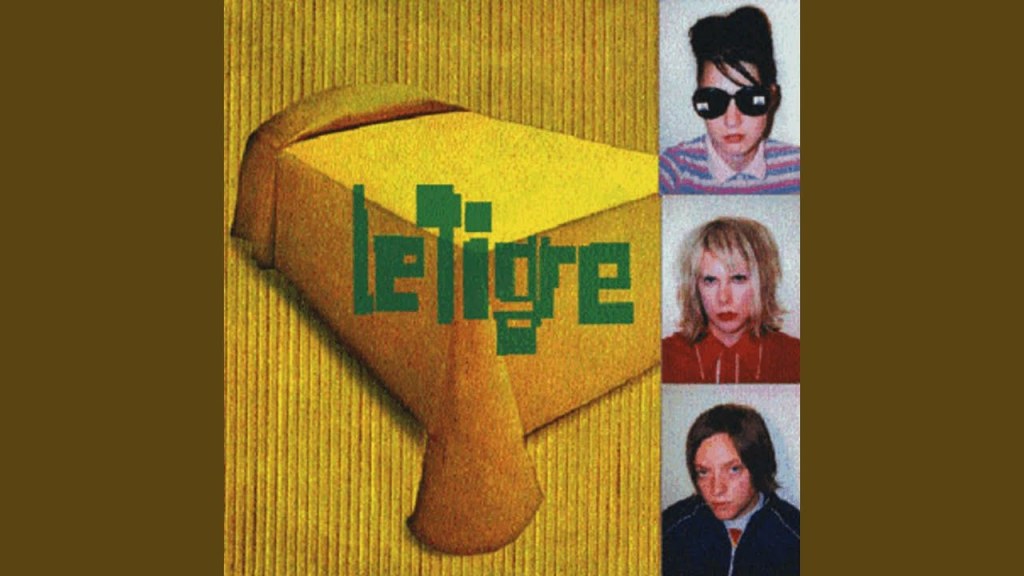
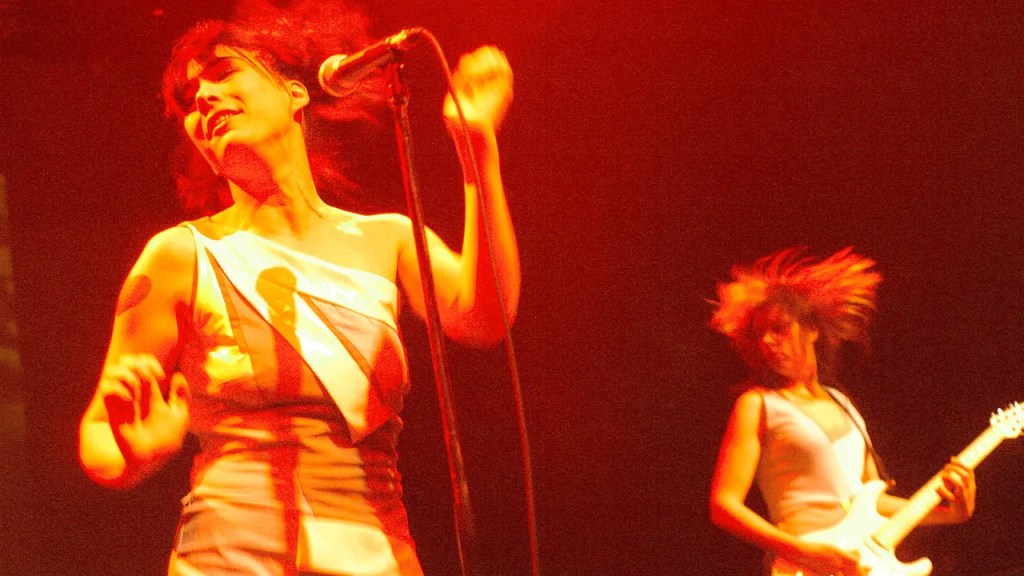
I have always been enamoured by music’s role within the political sphere. Whether it be through grassroots gangsta rap, anarchy ridden punk or otherworldly techno, music has an inherent ability to condense the voices of millions into one. Or sometimes, it simply makes enough fucking noise until everyone finally shuts up and listens. Feminist Pop-punk band Le Tigre took the latter approach as they masked their incendiary feminist lyrics with hip-swinging, fist-bumping Pop-punk music that brought the political conversation crashing onto the dancefloor. Their hit track ‘Deceptacon’ on their self-titled album, Le Tigre, epitomises their political approach to music, and upon first listen it had me hooked. It’s a track that’ll put hairs on your chest, make pure Colombian blow about as potent as a builder’s tea and choke slam you off the top rope. It was love at first sight.

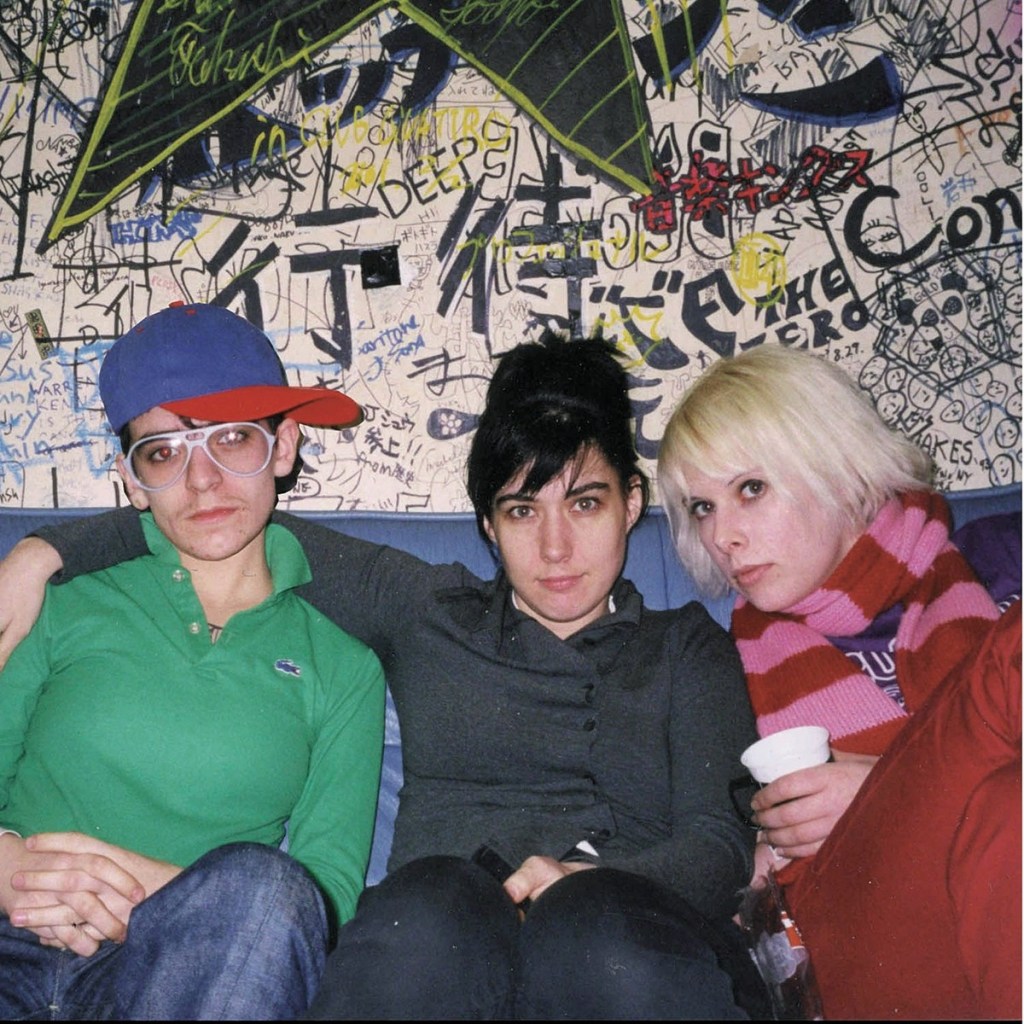
Conceived by filmmaker Sadie Benning, zine creator Johanna Fateman and last but not least, ex-Bikini Kill lead vocalist and quintessential riot grrrl, Kathleen Hanna, Le Tigre on paper should never have worked – two-thirds of the band weren’t even musicians. Their self-titled album was a slapdash collage, but it’s also an album charged with a sense of discovery, of these three women figuring out what kinds of sounds they could make, and aiming them at an audience of people who equally were trying to figure out what type of political sound they wanted to scream. This messy approach reaches boiling point on ‘Deceptacon’, the very first song on the album. These girls get straight to the point.

Deceptacon’ hits like a bomb.

Straight from the word ‘go’ the track seemingly grabs your head and shouts “LISTEN TO ME! LISTEN TO ME!”. I certainly wasn’t going to tell it ‘no’. It takes a nonsense chorus hook from a novelty oldie and a title from the bad robots on Transformers, repurposing them into a joyously derisive anthem that still triggers adrenaline. A blood-pumping kick drum rhythm lays the kindling before a thumping bass hook and high-pitched electric guitar sparks the track into a frenzied wildfire that spread to dancefloors all over America. The track has a certain addictive nature to it, as it seems to continuously build and build towards climactic heights. You find yourself clinging on like some sort of crazed adrenaline junkie, yearning for that next hit of punk-laced sonic cocaine. I’ve gone weeks before without my hit of ‘Deceptacon‘ only for that plucky, screeching guitar riff at 1:34 to cause me to relapse. Sometimes I can get caught up in fancy jargon when talking about a song I like, so I’ll keep it simple, ‘Deceptacon‘ just sounds so fucking good. By pasting together early electro hip-hop, 80s-style drum machines, 50s doo wop flourishes, catchy new-wave guitar and girl group chants, Le Tigre create a potent cocktail of addictive fun.

The thing about drugs is, when they feel good, you don’t care what’s in them, and if ‘Deceptacon‘ is the drug-fuelled experience, then the lyrics are the chemical formula. Le Tigre had struck gold with their sound, people would listen no matter what they said, so they took this chance to talk their shit. Kathleen Hanna was THE riot-grrrl and as the 90s progressed and she moved band, the movement began to lose its poignancy, yet she didn’t intend on letting that happen so injected its politics with an inherent danceability. They sugar the pill with an infectious, almost poppy danceability, making it that much easier to swallow, all the while lacing it with potent feminist politics. Their pop-punk cloak masks their political agenda, allowing the song to be played to the masses rather than shoved into the gutter, only to ricochet around the underground scene, never to see the light of day.

Donning a danceable façade, Le Tigre were able to politicise pop – something nobody was trying to do in 1999 – and, in the process, they call out not only other artists’ reluctance to communicate societal issues in their music, but the listeners obligation to listen. The line “Let me hear you depoliticise my rhyme” references those who may not agree with her lyrics and political beliefs, and so, pretend the track is apolitical. Hanna is taking authority here; she dares the listener to try to remove the politics from Le Tigre’s sound. Later we see Hanna criticise the more mainstream bands for not using their platform to raise awareness for important feminist issues:

Yr so policy free and yr fantasy wheels
And everything you think and everything you feel
Is alright, alright, alright, alright

Most likely a dig at the Spice Girls, who arguably commercialised feminism and engaged in depoliticization, here Hanna sarcastically attacks their fantasised outlook on positivity and girl power. Le Tigre recognises that the reality for most women isn’t “alright” and they want to make enough noise to make people realise that. Hanna howls these cutting lyrics over a hyperactive surf-guitar riff and a rickety drum-machine thump, allowing her band to reach the masses, without having to sacrifice their lyrical content.

If the track doesn’t inspire you to go out and form a band or start a revolution, then it will have inspired you to at least read theory, watch a documentary or acquaint yourself with any number of the references contained within. If we’ve learned anything from the fractured, polarised, nuance-free present, it’s that this alone is worth its weight in gold. Le Tigre attempted to start a revolution the only way they knew how, on the dancefloor.

Interludes: We’ll be back after the break

Interlude [noun]: a short period of time when an activity or situation stops and something else happens.

If you’ve ever been to watch a play you will undoubtedly have had to sit through an interlude. Until recently, I saw this break in proceedings solely as a chance for the audience to go get some food, run to the toilet, or escape whatever theatrical horror they were being subjected to by their date. However, after a particularly long car journey, where ‘Stargirl Interlude’ by The Weekend came on my playlist, I began to question the purpose of the interlude not only in theatre but in the musical arena as well. With the nature of online streaming now you don’t have to wait for an interval to tell you to go to the toilet. You can just pause it. So why do so many artists utilise the interlude within their albums?

During a recent conversation, some light was shone on the situation. These theatre plays that last well up to three hours and tackle highly complex themes – try watching King Lea (worst school trip of my life) – bombard you with sensory stimulation. Keeping up with multiple characters, narratives and themes can seem almost impossible at times. Queue the interlude. More than just a chance to grab a bucket of popcorn, it offers a chance to process what you have experienced. The theatre’s generous hand reaches out, offering us a moment’s respite from whatever Shakespearian narrative we are witnessing, and in doing so we can truly enjoy all the nuances of the story. By taking a step back, even if it’s for a few seconds, we can better analyse the piece of media we are consuming, and in truly understanding it, its real value comes forward.

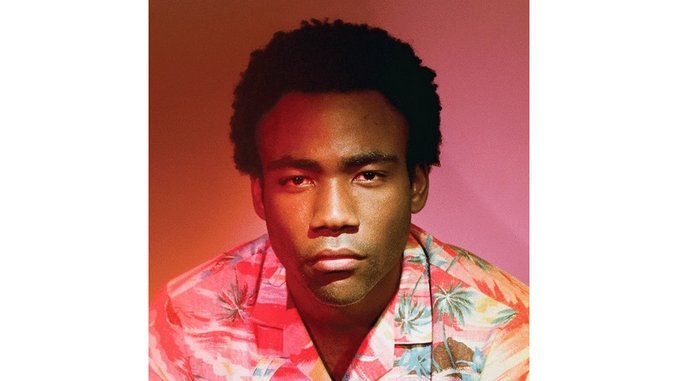
Generally speaking, this same purpose is utilised within music albums, especially concept albums which work to explore every nook and cranny of a particular theme or idea. Rather than weighing down the listener with a mountain of intricate ideas, a quality artist will place an interlude after climatic moments of discussion to offer some downtime to process. Donald Glover does this exceptionally on his 2013 record Because the Internet. An amalgamation of heavy, pulsating electronics, obscure vocal samples and thrashing lyrics, crash together to create a scorched soundscape intended to mirror the overwhelming nature of the internet age. ‘II. Worldstar’ delves into the impact satirical sites have on who we are as people and serves as a reminder that these sites act largely as a distraction. Then ‘II. Zealots of Stockholm [Free Information]’ questions the true motives of people based on their online presence in an ever-growing online world. With themes of existential dread and ego-death fuelled by an obsession with the internet, it is only natural that the listener at some point will scream out for a break during the albums track list, and that’s where ‘Dial Up’ serves a crucial role. A clunky windshield wiper beat (I’m serious) is paired with an infectious and glowing retro synth rhythm, creating an oddly peaceful and innocent aura in an album defined by themes of being jaded with the digital age.

Whilst this ‘break from proceedings’ style interlude is often used upon albums similar to how it is within the theatre, the creative scope of an interlude is widened drastically within the world of music, allowing musicians to effectively utilise it however they wish. There are no rules or expectations to the interlude. If an artist wants to make a track simply to proclaim how much they love themselves (looking at you Kanye…) they can. Who’s stopping them. For me, that’s the beauty of the interlude; the inherent ability to allow artists to truly express themselves outside of the boundaries of a song, often subtly adding to the sustenance and themes of an album. 

So, upon closer inspection, I realised that the interlude can be used for a multitude of different purposes, and to stay with Kanye West for the meantime, one of the most effective is to heighten the dramatism of a particular moment. Kanye’s 2010 masterpiece, My Beautiful Dark Twisted Fantasy, was released amidst a whirlwind of public criticism aimed at Kanye (a whirlwind that has resurfaced recently), and so the album served as his answer to the controversy that surrounded him. Crazy enough to believe he is the greatest to ever do it, the album staked his claim at the industry’s throne with an array of maximalist ideas and baroque style instrumentations. Every single track resembles a moment in hip-hop royalty, and to achieve such an extravagant sound, he utilises a specific interlude exceptionally: ‘All Of The Lights (Interlude)’. Appearing after ‘POWER’, an ode to Kanye’s relentless, exploding sense of self-worth, ‘All Of The Lights (Interlude)’ invites the listener to wallow in the nuclear fallout of what they have just heard, whilst also beginning another dramatic climb towards the albums most magnificent high, ‘All Of The Lights’.

When you have a record so abundant with fantastic tracks, oftentimes they don’t share the spotlight equally, as each one gets lost in the shadow of the next. Now of course Kanye, determined on demonstrating his genius, wants to place our undivided attention on every single track, and so he adopts interludes to yank our attention away from the previous masterpiece and build our anticipation towards the next, as he continuously shatters our already high expectations. ‘All Of The Lights (Interlude)’ offers a stark sonic contrast to ‘Power’. As ‘Power’ closes in a messy haze of electronics, the interlude ushers in a classical approach with merely a piano and violin. Slow dancing in perfect harmony these two instruments create a thick feeling of melancholy. This swift change from rampant invincibility to sombre vulnerability is the very archetype we have come to associate with Kanye West, and a perfect example of how interludes can quickly grasp our attention and instantly build our anticipation. This moment of juxtapositional softness within the album makes us ask: “what could possibly come next?”. The interlude prepares us for what is to come, refreshes our mind and avoids a clunky ‘cold open’ into the next track. Just as the violins wind down into a slumber, the iconic trumpet score of ‘All Of The Lights’ awakens. Kanye knew how great ‘All Of The Lights’ would become and refused to let it get lost within the shadow of ‘Power’. By using the interlude, he seamlessly builds towards another breath-taking climax on the album, without hindering the natural journey of the record.

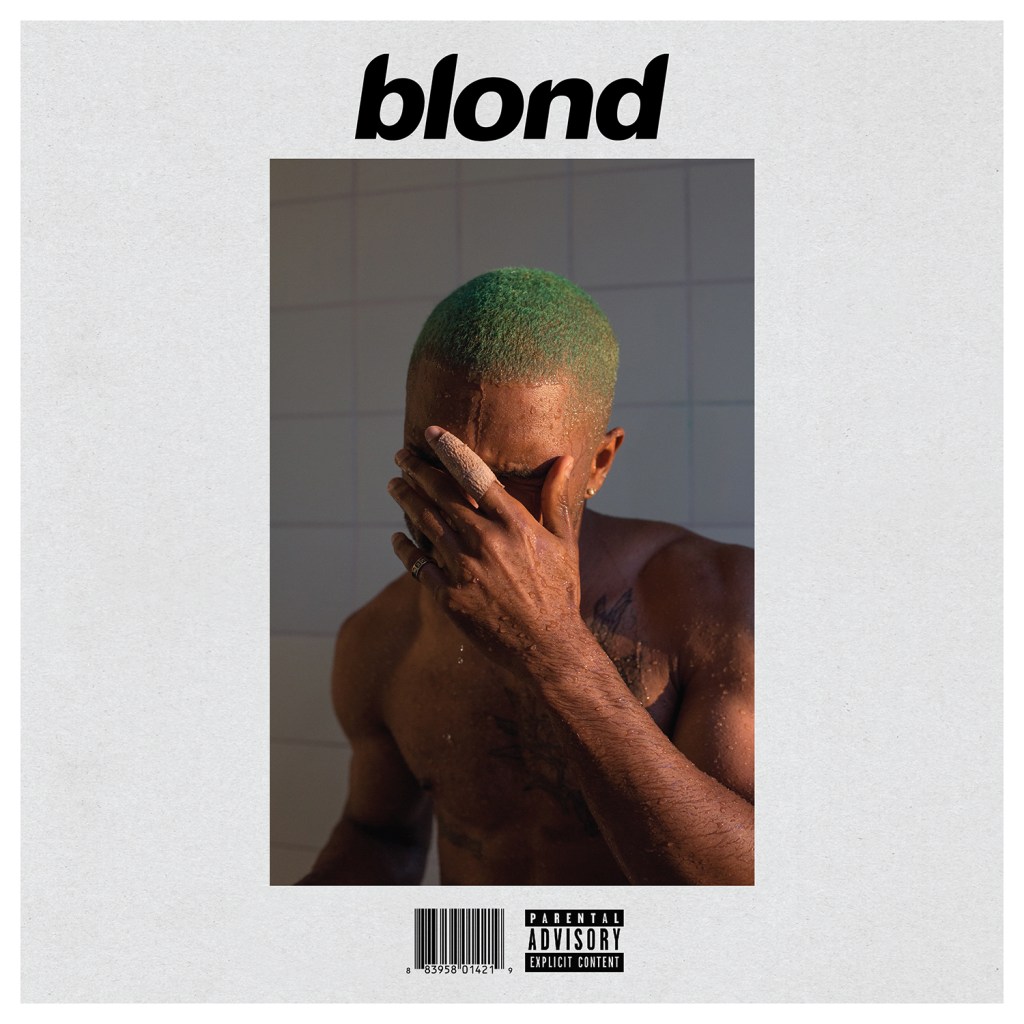
Bearing an unwavering transitional power, interludes have the capacity to encourage the seamless shift between songs, and when used correctly, the interlude heralds a new chapter in an album’s story. Mid-album interludes are by far the most common and well known. They come in all shapes and sizes and give an opportunity for the artist to show a bit of personality. These transitionary interludes can be anything, but are often musical breakdowns which reel you into the album’s story further, as it metamorphoses between themes. Frank Ocean has a moment on his album blonde where he wonderfully uses such an interlude to drive forward the record’s storyline and enter a new place of contemplation.

Ocean’s most vulnerable and personal project to date, blonde employs sexual experiences, loss and trauma to explore masculinity, depression and both the overwhelming ecstasy of love as well as its heart-breaking evanescence. Tremendously delicate, the album is precisely put together and Frank Ocean’s use of interludes mirrors such an approach. It may be known as just “that song before Nights” but ‘Good Guy’ plays a crucial role within the intricate storytelling of blonde. The first half of the track plays a brief lo-fi chord melody, accompanied by Frank’s raw vocals which laminate the decline of a fruitless sexual experience as he realises the intimacy they shared was meaningless. The gentle synthesiser in the background allows for Frank’s vocals to stand front and centre, putting his heart on his sleeve and thus, ushering in a new chapter in the album’s journey. It bridges the gap between the more romantic musings of Frank in the album’s initial half before tapping into his more cynical and darker guitar ballads of the latter half, starting with ‘Nights’.

Whether an artist uses interludes as an opening gag, a homage to a brilliant comedy show they watched, or a palate-cleanser, is entirely their artistic decision. Whatever the reason an artist made an interlude for (sentimental, cultural or otherwise), they can use them as they please, and that is their intrinsic beauty. No matter how they are used, they work to add sustenance to the album and plunge the listener into the carefully curated world that the artist has constructed. If you take the interludes out of an album’s track list and listen to them as stand-alone tracks, they most likely feel underwhelming and don’t make sense. Equally, an album without its various interludes loses its cohesion and falls apart into a non-sensical mess. It’s the little details that lay the foundations for the piece’s vastness to thrive.

Here’s a collection of my favourite interludes:

Skin on Skin: Genre-bending

For those of you with your finger on the pulse of the UK dance scene, you may have noticed the tides are changing. There has been a recent shift in music production that appears to praise and encourage creativity and experimentation more than ever. Most importantly there has been an increased level of experimentation across genres, which I believe has been demonstrated by two DJs in particular, the incredibly talented Fred Again and Australian producer Skin on Skin. These two have begun to blur the lines between genres, resulting in the industry equivalent of a shot of adrenaline straight to the heart. Whilst Fred Again’s exciting DIY approach to sampling is fascinating, it is Skin on Skin who I will be focusing on within this post. To be more specific, I will be discussing how he created the twisted love child from two of the UK’s most popular genres and spread it like wildfire through raves across the country.

I first stumbled across SOS in the summer of 2020. A moody tech-house set in a Melbourne nightclub caught my eye as he seamlessly brought in popular samples from various genres, allowing each and every track to have a certain relatability. Naturally of course I dived into his Spotify, and found he was capable of designing an ambient space as well. Tracks like ‘Save Me’ and ‘Way Ur Touchin Me’ utilise a myriad of atmospheric sounds to entrance you through an utterly mesmerising sequence. Very quickly I saw that this guy had no ceiling. In a few years he was guaranteed to blow up and lo and behold that is exactly what happened – however, it was not for the reasons I predicted. For me at least, the ambient tracks were more enjoyable. I’ve always thought that chopping up samples in a DJ set is a bit of a cheap trick which simply takes all the best bits of someone else’s hard work, yet this is the side of his mixing which took him to newfound heights, and boy oh boy did this lad from Brisbane prove me wrong.

On the 4th of June this year, SOS performed a Boiler Room set at AVA festival in Belfast and exposed everyone to the future of dance music. Packed with spine rattling bass and punishing synth waves, the entire set is a techno lovers Elysium, with four or so noteworthy moments which set it apart from any old techno performance and there is one in particular I would like to talk about. At the 23-minute mark, SOS brings in ‘Burn Dem Bridges’, the track that thrusted him into the limelight, and produced a viral hit that took social media by storm. ‘Burn Dem Bridges’ fuses elements of hard-hitting techno percussion with vocal samples from UK Drill artists Sav’O and Horrid1’s hit track ‘Violent Siblings’. In a stroke of genius SOS had utilised a sample from a genre which is rarely used in techno music. If I had a pound for every Aretha Franklin or Sister Sledge sample, I’ve heard under the DJ tent at a festival I would be a millionaire. Now I’m not saying disco samples are bad at all, in fact I fucking love them, but what SOS did so successfully is take a risk, and in doing so he captured the attention of a nation.

Beans and toast, fish and chips, strawberries and cream. We’re a nation who appear to love things that come in twos, so why should Drill and Techno be any different? After all they are quickly becoming the two favourite genres of today’s youth. At a brisk tempo of 138 BPM ‘Burn dem Bridges’ matches the inherent pace of Drill music and holds a similar piercing sound. This sound is achieved through various incendiary ingredients which result in a combustible end-product which makes you want to punch someone in the face. The pitch-shifted vocal sample, from Sav’o and Horrid1 is masterfully blended with an abrasive synth line that loops throughout the track and builds towards an adrenaline-fueled climax of thunderous kick drums that cause what can only be described as sonic pandemonium. Just watch the Boiler Room set for evidence.

For many, this is a track that has been born out of a culture clash, but I would argue quite the opposite. Drill is the perfect match for Techno. Electronic dance music began as a form of release, allowing people to rebel and escape the grasp of the establishment, a wish which I would argue overlaps into Drill music as well. Both genres hold an inherent grittiness that binds them to their underground roots, making them both counterculture icons. They are sounds for the marginalised, the disenfranchised and the rebellious, thus, combining the two makes perfect sense. ‘Burn dem Bridges’ is a potent weapon for British ravers and a true anthem for soundtracking dinghy drug-fuelled warehouses across the country. There is nothing us Brits love more than hard hitting bass lines and lyrics filled with obscenities, therefore, it’s no wonder other producers are starting to take note of SOS’s example.

During another one of my crusades through SoundCloud, I recently stumbled across a small producer who undoubtedly takes inspiration from the Australian DJ. Baxter, who currently has three tracks posted on SoundCloud and all of them fall under this new ‘Drill-Tech’ genre. His most played track ‘FUCKBOY’ already has an impressive 233,000 plays, despite only being published three months ago. My personal favourite ‘RAMBO’ samples RV’s ‘Crep Shop’, looping the lyrics: ‘I could’ve been on the pitch doing rainbow flicks // But instead I’m in the trap with this Rambo’. Again, we see the vocal sample pitched up a few keys to align with the lightening quick tempo and sharp acoustics. Similar to ‘Burn dem Bridges’ our ears are met with a menacing tone and aggressive sonic feel. One way in which Baxter achieves this is by simply enhancing already existing characteristics of the Drill genre. A key facet of Drill music are these echoey bells or chimes which often serve as the cornerstone of the instrumentation. Such a sound helps to mould this ominous, almost threatening feel to the track and Baxter keeps to this aesthetic but increases the tempo, in turn creating a sound you would more readily associate with a vast, strobe light ridden warehouse rave.

You don’t have to look far across SoundCloud to find other Drill-Tech tracks that utilise the exact same techniques. Brion Moore’s ‘Together’, 666cmg’s ‘SPRINT ON MY NIKES’ and Skin on Skin’s ‘Eye for an Eye’ incorporate all the aforementioned techniques and most importantly are gaining some serious traction. For whatever reason it seems that dance music is moving in the direction of aggressive, dark subject matter and moody, punishing techno beats, a sound which can be traced back to the genre’s conception. Maybe it’s the foreboding arrival of winter causing ravers to retreat from the utopian festivals and congregate in dimly lit warehouses, zip up their half zips and adorn their most grimacing skank faces. Perhaps it’s just our natural pessimism as a country or a burning desire to return to our roots of comedically harsh bass lines. In all honesty I don’t know. But what I do know is rather ironically ‘Burn dem Bridges’ has helped build a few bridges. Bridges between genres. Bridges to a new era of sound.

Stranger Sounds

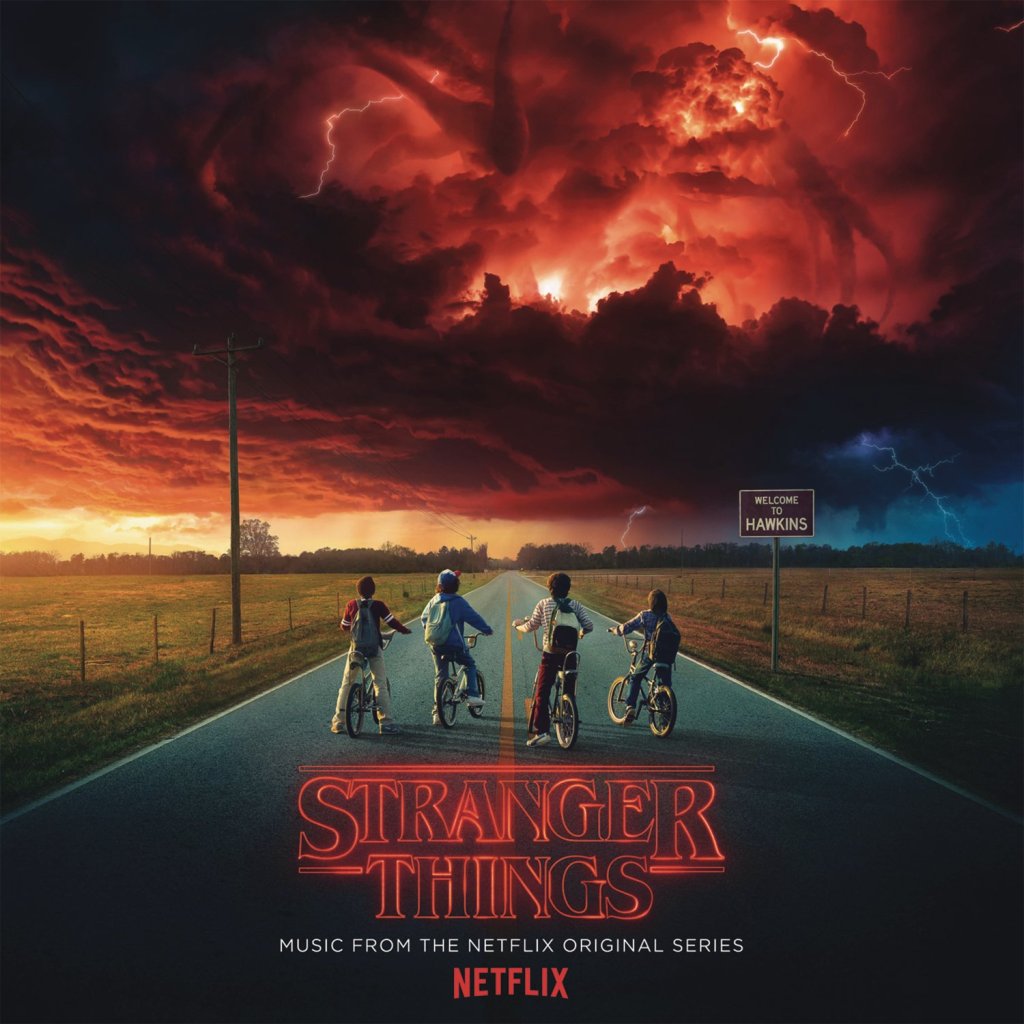
After the huge success of the Duffer Brother’s most recent season of Stranger Things it seems like the perfect time to discuss one of my favourite aspects of the show – the goddam music. Much of the show’s success has come from its innovative storytelling, incorporating everything from small town murder mysteries to grandiose Cold War plots and interdimensional horror stories. For me however, what brings this delicious cocktail of themes all together is the scintillating soundtrack. Amongst all the chaos, the unique ‘sound’ of Stranger Things manages to stand out within both a sonic and narrative sense. Music can play a crucial role in film and TV, often being used to heighten moments of tension, display character development and, in the case of Stranger Things, build the world. Using both an original soundtrack and carefully curated tracks from the 80’s, the Duffer Brothers mould two antithetical spaces through sound; the comforting nostalgia of small-town Hawkins and the eerie, ever present horror of the ‘Upside Down’.

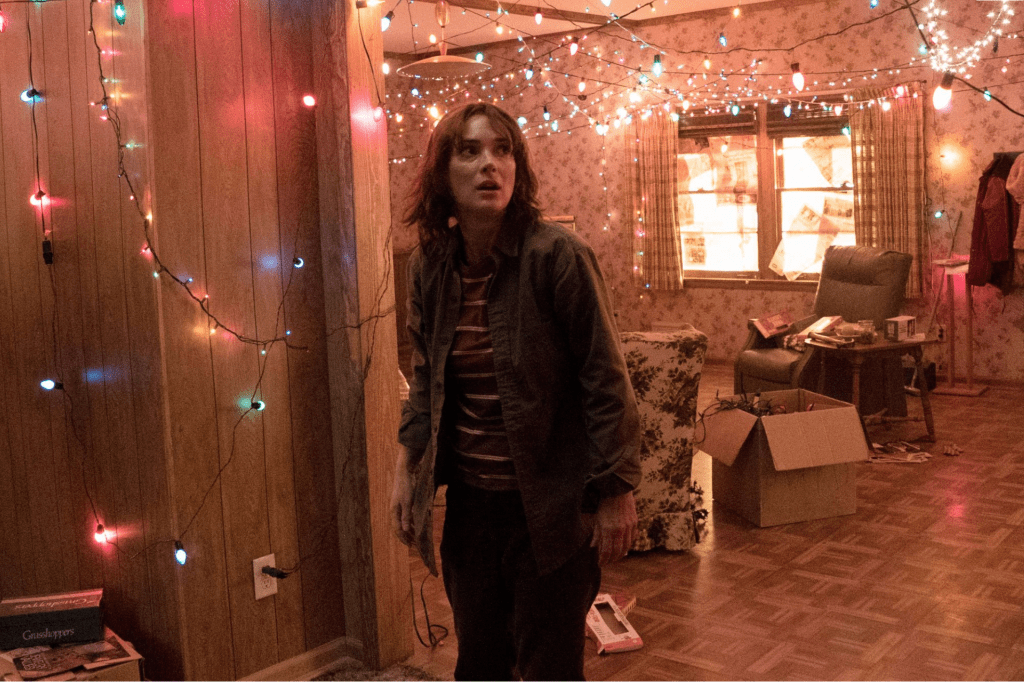
For many, myself included, Stranger Things has become a comfort show. It possesses a certain aesthetic that others can’t grasp. The spectral neon-lighting which accompanies so many of the character’s bedrooms, and especially Mike’s basement, constructs this warming, cosy tone to certain spaces throughout the fictional town of Hawkins. Whilst sprawled out upon the sofa in total comfort, you can’t help but become immersed in the show’s sense of reassurance, almost becoming nostalgic for a place you’ve never even been, and the original soundtrack enhances this feeling. Created by Kyle Dixon and Michael Stein, the synth-laden soundtrack is the perfect companion to the scenes where Mike and the other kids find themselves sharing a moment of solace in the safety of their own rooms. Amongst a catalogue of ethereal electronics, tracks like ‘Kids’ and ‘Friendship’ are two of my personal favourites which perfectly mirror the consoling nostalgia of the early seasons. Mimicking the gentle twinkle of the neon lights, the soft, fluttery synth scores work away in the background, not intruding too much upon our ears, but not fading out of existence. Instead the sound soothes our ear canals with the most delicate of notes which seem to invite us into a warming embrace. These beautifully melodic tracks persist in the backdrop of so many scenes throughout Hawkins, seemingly telling the viewer, everything’s ok, the monster under the bed has gone (for now). It’s moments like these where the work of Dixon and Stein comes into its own. Without uttering a word, the soundtrack instantly informs the viewer which spaces in this world are safe and which aren’t. In creating a sound that embodies a specific feeling, the show uses music to build the rules of its world, we as viewers promptly understand these dimly lit bedrooms are not spaces we need to be wary of.

The flip side of using sound to convey meaning is that whilst we do still have beautifully intimate tracks, we also must have the polar opposite; dark, ominous and downright scary, it’s quite literally the upside down. Way back in season one we get introduced to the ‘Upside Down’; a type of parallel universe consisting of barren, twisted landscapes, apocalyptic cityscapes and unknown horrors even the most psychotic of minds couldn’t fathom. Many of the show’s moments of tension happen within this space, and so the theme must reflect the unique feel of the landscape and inform the viewer that this place is far from the safety of suburban Hawkins. Something lurks within the shadows, and the score conveys that. Still using their trusty synths, Dixon and Stein demonstrate how a change in pitch and tempo can entirely alter the tone of a piece. Time after time when characters from the main cast entire the Upside Down they know just as little about this space as us and the theme works to match that initial curiosity. The first two minutes utilise highly filtered synths which gradually increase in pitch as if to mimic the on-screen characters’ inquisitive demeanour. In utilising sound in such a way, the viewer can understand that this setting is not only new for them but for the characters as well. However, around the 2:33 mark we are met with a drastic change of tone. That sense of playful curiosity has faded away as we are met with the abrasive thump of a menacing bassy synth. The sharp timbre of these notes works to unnerve the viewer, unlike the twinkling progressions used throughout Hawkins, such a sound scratches away at our ears, building an immense sense of suspense. To achieve these inherently daunting notes an analogue synthesiser was used which allows musicians to fine tune their sound into places between notes, therefore finding a noise which cannot be played by hand, lending the score this unnatural, otherworldly aesthetic that encapsulates the twisted dimension we have found ourselves within.  

Whilst tracks like ‘Kids’ use a slightly higher tempo to create an upbeat mood within scenes, the ‘Upside Down’ theme lowers the tempo to 95 BPM, at which point the notes seem to hit at a walking pace, thus signifying whatever is in this new space is beginning its pursuit. As the track continues and the characters delve deeper into the darkness the tempo of these bassy notes increases, whatever lies within the shadows has lost its patience, it’s moving in. By this point a repetitive ticking-like noise joins the fray, along with various soaring synth waves which take the level of tension to new heights. Then bang. All these moving parts cut out, and we’re left with an overwhelmingly distorted sound resembling TV static, as if to say “It’s too late. The hunts over”. At no point within this track can we as the viewer relax, every instrument and note choice has been carefully selected to completely unnerve us and offer no sense of security. Suddenly you’re not just checking for monsters on the screen, but you’re checking for them in your own room. The track epitomises an intense sense of terror that not only constructs an unsafe space on screen but extends it unto our own personal space. It’s a score that both asks questions with an initial sense of curiosity and swiftly replies with a foreboding answer. For me it’s one of the best scores we have heard on TV, whether you’re watching the show for the 1st or 10th time it brilliantly conveys everything you need to know about this space; it’s unknown, it’s dangerous and something is out to getcha…

Used in alliance with the original soundtrack is a carefully curated mixtape featuring all the best tracks the 80s has to offer. These songs not only tap into this weird feeling of faux nostalgia for an era I never grew up in, but most importantly they complete the world we have become invested in. With the original soundtrack’s atmospheric synths conveying the rules, period songs like Toto’s ‘Africa’ and Bon Jovi’s ‘Runaway’ help to construct the show’s place in time and flesh out the wider setting. Music is a brilliant way of dragging us back in time, and when paired with the bright LED lights, slightly questionable fashion sense and simply spectacular mullets of Stranger Things there is no doubting what decade the show is set in. During episode one of season two this 80s aesthetic reaches an almost hilarious climax in a scene where the Duffer Brother’s appeared to say, “fuck it, how many facets of the 80s can we incorporate into one 45 second sequence”. Utilising the Scorpions rock anthem ‘Rock you like a hurricane’, Billy arrives at Hawkins Middle in an 80s blaze of glory. With a scintillating electric guitar solo brewing in the background he unnecessarily revs his behemoth of a car across the car park, before a shot slowly pans to the driver’s side where we see a pair of flared denim jeans and leather boots authoritatively stomp out of the car. As the camera pans up, we’re almost blinded by the double denim and gorgeous mullet, before Billy takes a drag of his ciggie and turns towards the camera as Klaus Meine’s thrashing lyrics proclaim: “Here I am!”.

Fuck yea. The 80s.

Now I realise I’ve probably waffled on for a bit too long here, but I really really really admire how Stranger Things utilises music to immerse the viewer in their universe. Its ingenious mix of spectral synths brings out the emotions associated with certain spaces, whilst the infectious 80s compilation perfectly encapsulates the feel of the era and serves as a brilliant backdrop to a gripping narrative.

Meme or Masterpiece? The FIFA Soundtracks

This song is on FIFA

Five drunken words hated by almost every girl across the country and adored by almost every lad.

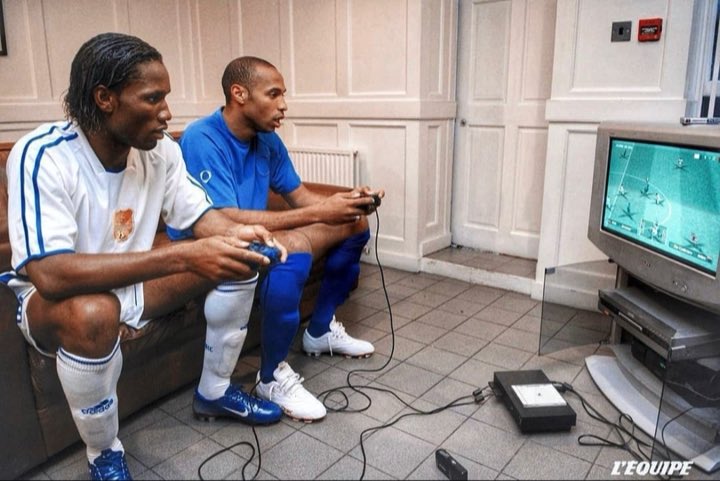
FIFA’s gameplay didn’t reinvent the wheel by any means. Every year it comes out with the same dysfunctional features and toxic player base (guilty as charged), however, every year I come trundling back to it for its one saving grace. The soundtrack. It’s just so bloody good. It makes you forget about all the game’s shortcomings, transforming it into an experience which allows you to escape from your own personal stress. When I look back upon my time playing the older games, I can’t help but hear these classic tracks soundtracking my own coming of age story as I discovered the world of music, and, more importantly, grew up. Maybe it’s just another case of myself being blinded by nostalgia, but I wanted to take a brief look back at what made the FIFA soundtrack so popular and how its adapted over the years to appeal to new demographics. Warning – I will be geeking out about FIFA, so this is your chance to leave.

Still here? Great.

FIFA 12 was my first game in the series, and amongst some of the ridiculous fun you could have on Ultimate Team when smashing in finesse shots from miles out, the soundtrack in particular has remained etched in my memory as having some of the series’ best tracks. I remember sprinting through the house after school, diving on the sofa – still fully clothed in my uniform – instantly turning on my Xbox and being met with the feel-good sound of The Strokes’ ‘Machu Picchu’. All of a sudden, everything was good. My homework could wait. My dinner could go cold. I was set for the night. Nick Valensi on the guitar provides a lively riff that injects the track with an electrifying energy, and as a result wonderfully prepares you for the arcade like, high octane gameplay you’re about to experience. The President of EA’s Music Divison, Steve Schur, says the 40-something songs chosen to appear on the game every year aren’t just the “Greatest Hits”, they are specifically chosen to reflect not only the in-game experience but the wider culture of football itself. With ‘Machu Picchu’ in mind, it’s interesting to look towards the older titles and see how this “cultural mirror” of sound has evolved overtime as the game’s audience has grown.

The Strokes are one of the most internationally recognised Indie bands, and their appearance on FIFA 12, tells me one thing, Steve Schur and his team of music detectives know exactly who they are appealing to. Before the game started to sell hundreds of millions of copies worldwide, it was targeted at teenagers and the authentic football fan, otherwise known as the infamous ‘Football Casual’. Permeating every area of British footballing culture, the casual is often seen about 8 pints deep, bellowing out incendiary lyrics from the front of the terraces. Enthusiasts of life’s more rugged pleasures, there is one thing they love more than a crunching two-foot challenge or a thumping back post header. Indie music. It’s a staple of ‘game day’, frequently played in the pubs surrounding the ground, and oftentimes used to inspire club chants where the lyrics are replaced with relevant player names and such. Thus, the earlier FIFA titles tapped into this love for the genre and packed the games full of fan favourites like “I Can Talk” (Fifa 11) by Two Door Cinema Club, and underground hits like The Vaccines “Wreckin’ Bar” (Fifa 12).

The fallout of their carefully curated selection was immense. A seemingly endless list of Spotify playlists are dedicated to the game series, as thousands of Brits try to recapture that nostalgia of smacking your mate 6-0, and returning to the menus to be met by the sweet sound of John Newman’s ‘Love me Again’. However, as the game has grown to international acclaim the soundtrack has had to quickly adapt. The recent ones are inclusive, contemporary and cohesive, swiftly evolving to accurately reflect not only the diversity of today’s music scene, but also the international nature of the fans playing the game. Part of the sport’s beauty are the various approaches to how it’s played. Spain have become synonymous with intricate ‘tika-taka’ passing moves, Italy are renowned for their stringent defensive displays, whilst Brazil famously flaunt a nonchalant flair that mesmerises the crowd. Football appeals to so many more than just the football casual, thus, it’s only fair these different cultures are represented.

Fifa 17 saw a surge in this multi-cultural approach, as EA Sports’ music division incorporated a number of smaller artists from across the world. Mexican singer, Ceci Bastida saw her single ‘Un Sueno’ feature and in turn expose the rest of the world to the nation’s high-tempo, electronic style that not only invigorates the FIFA fan with a wave of endorphins, but perfectly matches the ‘all or nothing’ approach that the Mexican national team frequently adopt. Two years later, the Zimbabwean duo, BANTU and Dr. Chaii appeared on FIFA 19 with their track ‘Jackie Chan’. It’s uplifting fusion of R&B and Afro Pop helped to bring modern African music into the spotlight, and simultaneously celebrate the international landscape of football. Just as different teams have different footballing philosophies, different nations have unique soundscapes that elevate a cultural authenticity and FIFA are constantly enlarging their playlists to reflect this.

Although over the years the game itself has unfortunately degraded in quality, the soundtracks have remained consistent and most importantly, kept up with the times. FIFA soundtracks serve as the passionate, connective tissue between supporters all over the world and the songs in the game – in the hope that the music, just like football, will resonate with people and bring them closer together, no matter the language. Additionally, these tracks possess a celestial quality, soundtracking both your in-game milestones and your concurrent real-life experiences. In 30 years’ time, I’ll hear Glass Animals’ ‘Heatwave’ and fondly look back on the time I spent in lockdown, playing Pro Clubs with my mates till 2 in the morning like a sad old man.

Here is another shameless playlist plug for ya:

Frisson in Music

During a slow day in the office I became engaged in a conversation with a colleague about some of our favourite moments in music, whether it be an entire album or a fleeting moment of creative expression. After I inevitably rambled about Kanye West for a few minutes (look forward to this later), she proceeded to suggest an episode of Spotify’s ‘Dissect’ podcast to me that would provide all the answers as to why certain songs leave you shuddering with excitement. After listening to the podcast episode, I can confidently say I’ve found my new favourite thing – the emotional experience of Frisson.

Frisson: A brief moment of emotional excitement

A sensation that is hard to explain but easy to demonstrate, frisson is essentially that moment of awe you involuntarily experience when listening to music, watching a film or reading poetry. There is a wealth of scientific discussion on the phenomenon, however, I’m nowhere near savvy enough to understand the intricacies of it all and relay it back to you, so I’ll try explaining it in layman’s terms. If you’ve ever been lying on your bed listening to music and suddenly a wave of chills, accompanied by goosebumps surges through your body, that’s frisson. For me it’s a beautiful moment where the sonic world of music becomes physicalised, as all of a sudden, the artists musical concept no longer exists as something intangible. Rather it has resonated with the listener so deeply and viscerally that its manifested itself as a physical, bodily response. It is within these moments when shivers rise up your spine and your face flushes up, that we are reminded why music can be so powerful.

After diving deeper into this strange phenomenon, I discovered that there are three components to experiencing frisson. The first comes from brainstem reflexes caused by an arousal of the nervous system through the onset of loud, very high or low frequency, or rapidly changing sounds. The second stems from an emotional connection to the music itself, concerning one’s ability to determine an expressed emotion from a stimulus (in this case auditory) and then mirror that emotion empathically. Finally, musical expectancy plays a key role and refers to emotions elicited when one’s explicit or implicit expectations are violated. It’s this last component that I want to primarily focus on and incorporate into some of my favourite moments in music.

Kanye West’s sixth studio album, ‘Yeezus’, encapsulates the beauty of the unexpected from front to back. Released after the critically acclaimed ‘My Beautiful Dark Twisted Fantasy’ everyone expected another insightful look into the mind of Mr. West, yet instead we got brutally abrasive synths and egotistical preaching. Across the record’s ten tracks there are numerous examples when Kanye chooses to tear down the expected norm, however, none reach such dramatic highs as the one-minute long outro on ‘New Slaves’. Up until the two minute fifty second mark our eardrums are bombarded by a barrage of booming 808s and bass ridden synth chords. Lyrics like:

Fuck you and your Hampton house

I’ll fuck your Hampton spouse

Came on her Hampton blouse

And in her Hampton mouth

set the tone for the track and construct this dark, twisted soundscape where Kanye makes his claim for being the music industries greatest villain.

With all the pieces in play, us as the listener expect more narcissistic lyricism and brutal instrumentals. However, come the last third of the track, all our expectations come crumbling down in a beautiful moment of frisson. Sampling Omega’s 1969 track ‘Gyöngyhajú Lány’ Kanye does a drastic U-turn, emphasising the power of the unexpected and transforming the track into an overwhelming sonic experience that couldn’t be further from the its origins. Kanye spends almost three minutes building musical tension within the fiery depths of hip-hop hell, only to thrust us up into the stratosphere where we gaze out unto his carefully curated kingdom. An ethereal, high pitched guitar progression tantalises in the background, accompanied by Kanye’s slightly distorted, emotionally raw vocals. Then arrives Frank Ocean’s gorgeous vocal performance. Pitch perfect, it flutters down our ear canal, causing us to forget the obscenities we have previously heard. Filtering down to a wordless passage, Ocean’s voice mirrors the angelic vocals heard reverberating around a church. We’re no longer in hell, we’re at the gates of musical heaven. This unexpected release of tension creates a satisfying sonic resolution that drags the listener up from the abyss of Kanye’s manic psyche and into a moment of total clarity.

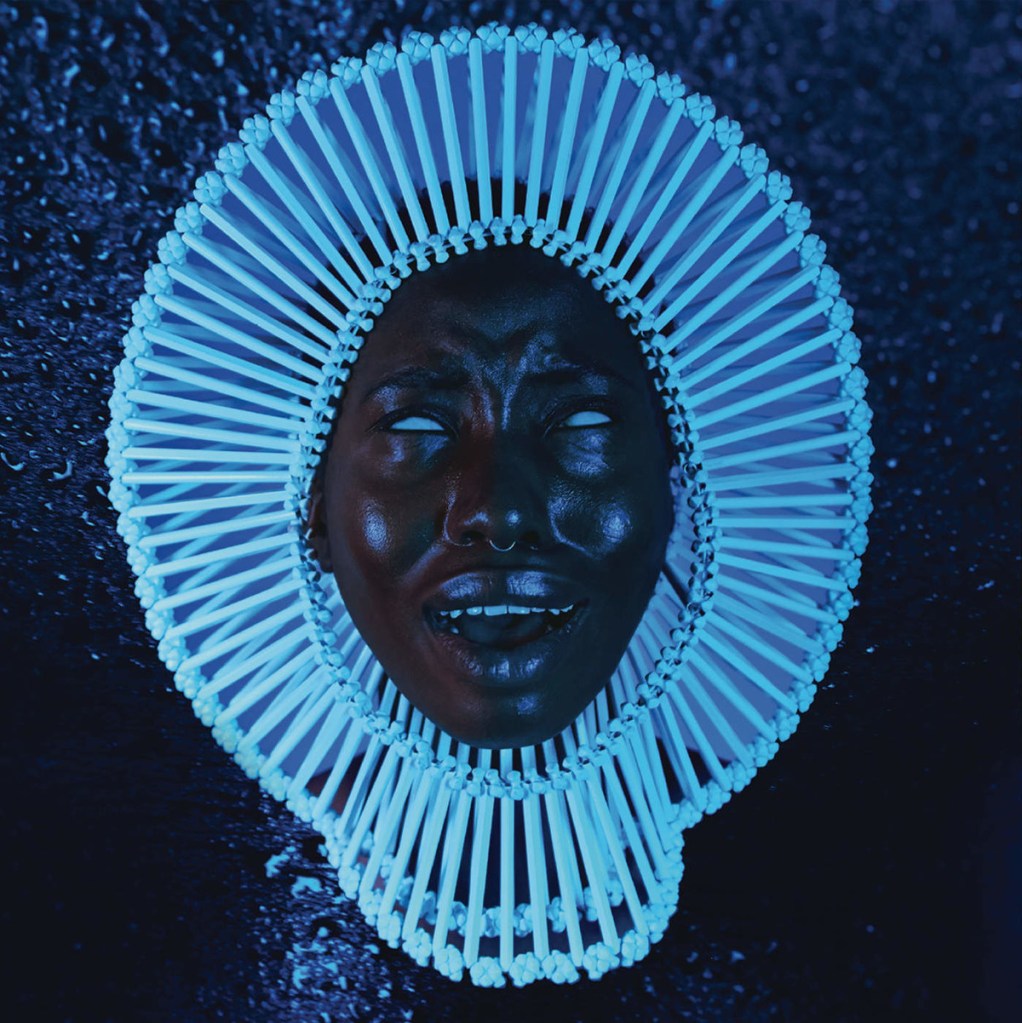
Childish Gambino’s song ‘Me and Your Mama’ is another example of unexpected frisson, however, he approaches it from the opposite direction, choosing to guide us along a fall from grace. From the track’s opening we are met with the delicate, twinkling sound of a synthesiser that promises us shelter within a peaceful sanctuary. Just a few seconds later the innocent sound of a choir begins to harmonise in the foreground, beckoning us closer to this place of comfort . Everything is set up to suggest this track will provide a moment of bliss and in doing so we as the listener, slump down in relaxation and foolishly take our guard down. Gambino has us exactly where he wants.

After two minutes of divine instrumentation, an electrifying bass guitar unapologetically rips the door down and drags us off our seat in an act of unhinged chaos. Called into action by a demonic chuckle – as Glover quite literally begins to laugh at us – the bass kicks things into gear, whipping up the rest of the instruments into a wild frenzy. Gambino’s vocals take on a gravelly texture as he purposefully strains his voice to the extreme and mirrors the untamed demeanour of the instrumental. The choir from before takes on a new characteristic as their tone deepens and follows after the bass’s grittiness. Within the opening moments Gambino seduces us with a picturesque, sonic oasis, only to construct a foreboding wall of sound that blinds us to this promised land. The musical equivalent of a jump scare, ‘Me and Your Mama’ is a great example of how artists use frisson to shock us into life and send those aesthetic chills throughout our body.

One genre which is frequently associated with the sensation of frisson is orchestral music, mainly due to its capacity to take the listener on a journey of expression and evoke an emotional response within them. The master of this within the contemporary scene has to be Hans Zimmer. Known for his epic scores, I could pick a multitude to discuss here, but for me one in particular stands out. ‘Oogway Ascends’ from ‘Kung Fu Panda’. Yes, that’s right. A movie about a panda learning kung fu has one of the best scores to ever grace the world of music. Zimmer’s craft here is awe-inspiring. Beginning the piece with the solitary elegance of an erhu, he proceeds to build towards a majestic crescendo augmented by strings and crashing symbols. Surging upwards from a moment of clarity, Zimmer provides a meditative experience that disheartens, consoles, and motivates all in one deft movement. With everything in its right place, Zimmer manages to mirror the emotions of a cartoon panda onto the audience, creating an experience that is way too emotionally fraught for a Disney movie.

Now I hope some of this waffle has made sense and I’ve encouraged you to immerse yourself within music a bit more. I could go on and on about certain moments that send chills through my body, so here’s a playlist by Spotify instead that condenses them all down, because sometimes things are best left unexplained.