Lana Del Rey: Romanticising the Unromantic

One of my favourite quotes comes from actor, Ethan Hawke, being asked “Do you think human creativity matters?”. His response reads:

Most people don’t spend a lot of time thinking about poetry. Right? They have a life to live, and they’re not really that concerned with Allen Ginsberg’s poems or anybody’s poems until their father dies, they go to a funeral, you lose a child, somebody breaks your heart, they don’t love you anymore, and all of a sudden, you’re desperate for making sense out of this life, and, ‘Has anybody ever felt this bad before? How did they come out of this cloud?’ … ‘What is happening to me?’ … And that’s when art’s not a luxury, it’s actually sustenance. We need it.

This singular quote changed my entire perspective on how I see the world, and in this case, music. It’s such a sentiment that I think underlines Lana Del Rey’s ethos as a musician. I remember when I first listened to her discography, I thought to myself ‘Why would anyone ever want to listen to anything this dreary?’. In light of Hawke’s insight, I have begun to read Lana’s sound in an entirely new way. Her music is to be applied to your own situation, make sense of whatever struggle you have, and guide your hand through the fire and out the other side unscathed. In Hawke’s words “it’s actually sustenance”.
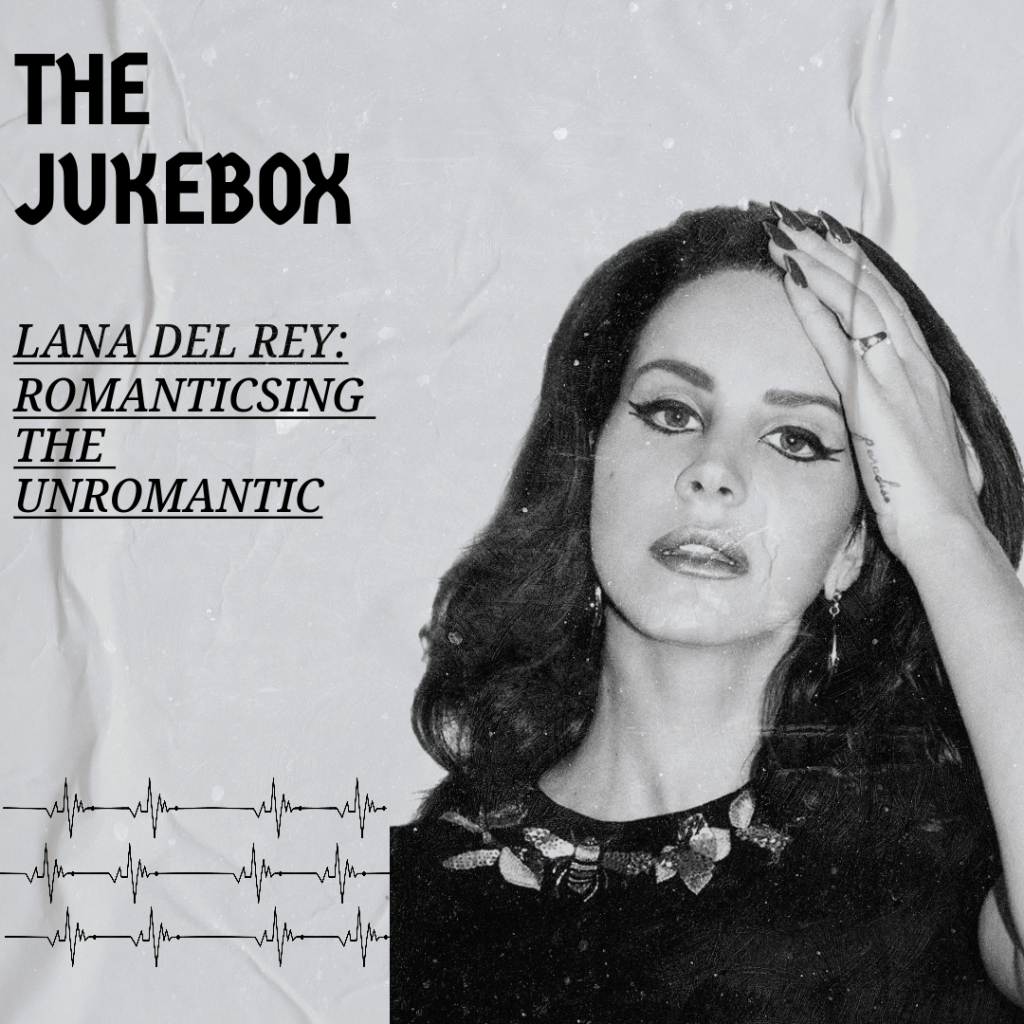
The creation of singer songwriter, Lizzy Grant, known professionally as Lana Del Rey, so often harnesses her emotional trauma in her music, boldly tackling extremely difficult topics such as substance abuse, toxic relationships, physical abuse and submissive naivety. A heady cocktail of sadness that many understandably choose to avoid, Del Rey continues to bravely speak her harrowing truths, wear her heart on her sleeve and explore the realities that so many experience and too few have the courage to broadcast to the masses. Being a unique figure in the music industry, Del Rey is utterly, desperately alone; exempt from any particular musical scene, void of any impersonators and resistant to imitation. This loneliness underpins so much of her sound, yet is oftentimes shockingly romanticised. From the moment her name leaves your mouth, Lana Del Rey has curated her own luxurious aesthetic that musters up visions of lavish ballrooms, opulent colour, and affluent old-money appeal. From her appearance on the ‘Great Gatsby’ soundtrack, to her muse being portrayed on the front cover of Vogue, her image screams success; yet her voice mutters in quiet desperation.

Through her tragically beautiful chords, time and time again Del Rey’s  fluttering, ornate instrumentations have perked the ears of millions, whilst her melancholy vocals have touched the hearts of those adrift. This dichotomy of sound is at its most recognisable on Del Rey’s third studio album Ultraviolence. At her most vulnerable, Del Rey taps into her loneliness and proceeds to suck it dry. The overarching feeling is a sense of seediness, desperation, and a hyper-romanticised focus on brutal isolation and loss. All these themes are blown up to gigantic proportions as Lana rides the blue crest of sadness across the album’s entire runtime. Wholly blending the romantic with the unromantic is the album’s title track ‘Ultraviolence’. An orchestra of hopeful strings thrusts us into a regal amphitheatre of blind romance, whilst the supporting piano chords and buoyant bass guitar add the final flourishes to an instrumentation fit for an angel. The reality, however, is that this instrumentation merely clothes the devil in a new dress, serving as a façade to a song in which love and physical abuse are intertwined. Scattered throughout the track is Lana’s trademark iconography in which love takes on an ugly face, through terrifying utterances like “He hit me and it felt like a kiss” and “Give me all of that ultraviolence”. The harsh reality of abuse is right there front and centre. Yet, blinded by the beautiful soundscape Del Rey creates, the lines of love and violence somehow blur for us just as much as they did for her, causing the “sirens” to sound like “violins”.
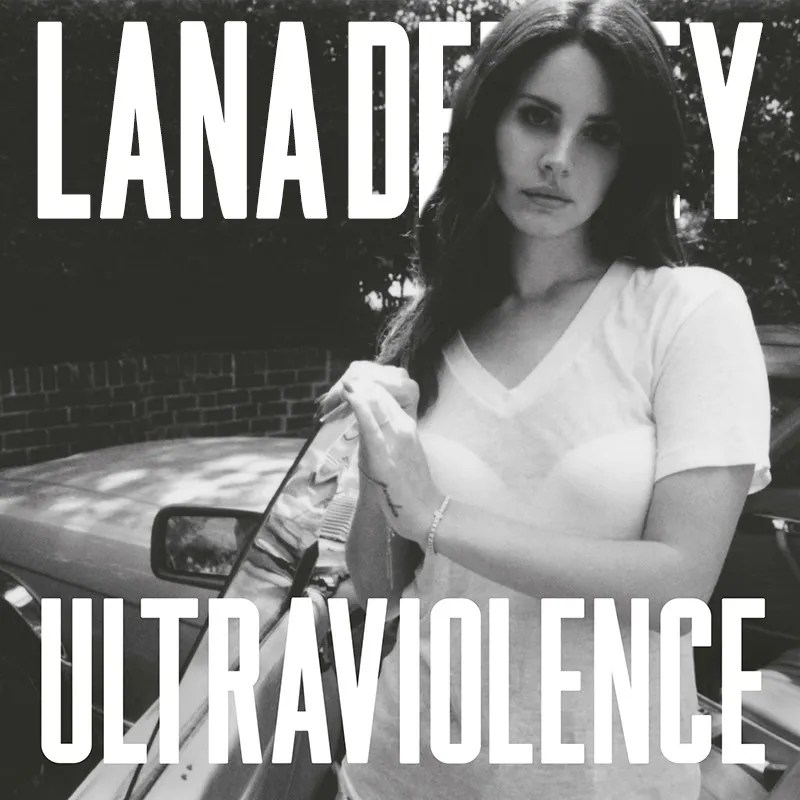
Her songs are slow and atmospheric, filled with theatrical melancholy, encompassing familiar themes of women in trouble due to their yearning for abusive men who remain, somehow, toxically irresistible. Off the same album, the track ‘Sad Girl’ further enforces this sonic philosophy as Del Rey acknowledges her own willing subservience at being the “mistress on the side” despite longing for something more. As the song progresses, her initial stubbornness wears away as she reveals to the listener that no matter how much she tries to see this relationship in a positive light, this setup will forever make her a “sad girl”. Such a declaration creates the structure for the chorus, as Lana repetitively hurls this self-flagellation into the ether, emphasising her anguish and engulfing the song in her craving for something real. All the while, Del Rey maintains one cutting line throughout; “But you haven’t seen my man”. Somehow within this mixing pot of sorrow, for me that line holds the most purpose. It negates all of Del Rey’s self-recognition, as even when presented with all the facts, she will still justify being the “mistress” and remain under her man’s irresistible spell casted through his physical allure. 
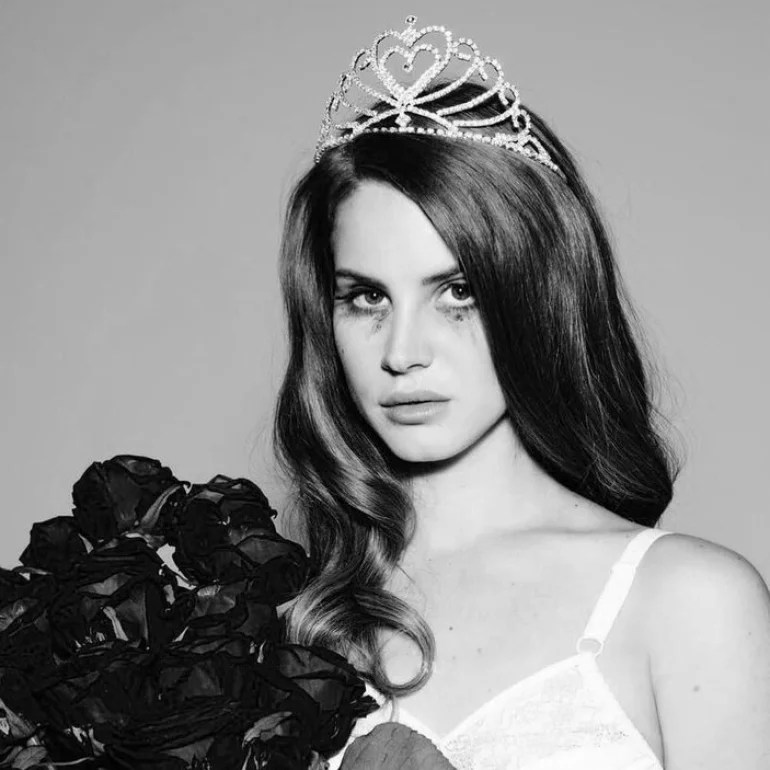
Off her critically acclaimed album Norman Fucking Rockwell, ‘Cinnamon Girl’ is another deep dive into Del Rey’s experiences with love, as she painstakingly yearns for an end to her damaging history with men, to such an extent that she fabricates a potential future with a present that was never even there. Once again, Del Rey plunges us into a theatre of idealistic romance with a seductive instrumentation, packed to the brim with melodic piano chords, an ensemble of violins, and Del Rey’s quintessential angelic tone as her voice becomes a beacon of hope. Every piece of the music works in perfect harmony to summon up a reality of unconditional love, a reality which Del Rey envisages.  The truth is less melodic, it’s abrasive, it’s dark; it’s unrequited love. From the offset, we are presented with an unbalanced relationship as the subject of Del Rey’s desires continually takes pills to push her away and keep her “at arm’s length”. Whether these pills are used to escape his problems, forget about Lana’s existence or simply scare her away, we don’t know, but she continually finds her “way back in” despite all the warning signs. As we enter the chorus, Del Rey reveals what she has been searching for all along and why she continually embarks on the long journey back to her supposed safe haven:

But if you hold me without hurting me,

You’ll be the first whoever did

These two lines encompass everything she has ever wanted – a passion for closeness, security and comfort – three things which run in contrast with her distant and cold reality at arm’s length. Prior to this declaration the line “There’s things I wanna talk about, but better not to give”, demonstrates her acceptance that she is unable to ask for this closeness. Out of a fear of encroaching on her partner’s freedom and an even larger anxiety of becoming a nuisance to his way of life, Del Rey bites her tongue and deprives herself of what she truly wants. Fearful of isolation and powerless to change anything, Del Rey remains within a stagnant relationship that will forever leave a bitter taste in her mouth – bringing a new meaning to Cinnamon Girl.
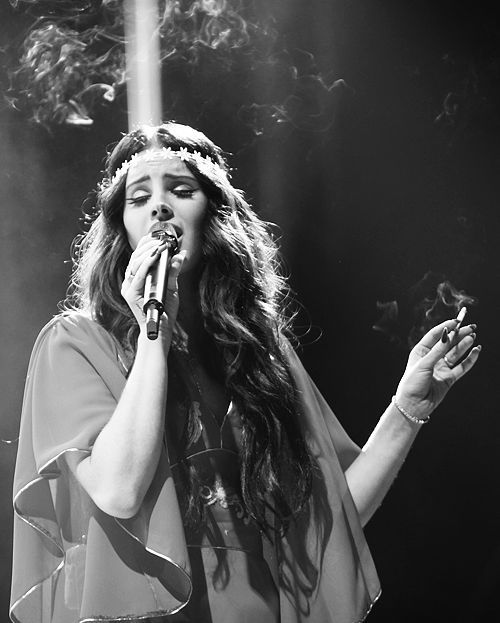
Del Rey frequently addresses the emotional suffering and manipulation at the core of so many of her experiences, and never holds back with her honesty. It’s heart-breaking. So why does it always sound so good? To hark back to Ethan Hawke’s quote, it’s sustenance. Music is a portal through which people can engage with and apply to their own situation, not just to validate their own feelings, but to begin to seek a way out of the darkness. Del Rey’s music certainly makes those who have shared similar experiences feel seen, and that undoubtedly helps to overcome those feelings of isolation, but the reason, I believe, Del Rey makes music is to spur on a positive change. Her glamorisation of depression and submissiveness (to name a few) forces people to engage with her songs, sing her choruses and no matter how subconsciously, consider their own experiences with the ubiquitous nature of relationships, both with ourselves and to others. The desperation for mutual connection runs consistently through her tracks and almost disturbs with its frequency and brutality. If listening to ‘Ultraviolence’, ‘Sad Girl’, or any other bleak Lana track, feels like looking into a mirror, then it forces us to look inward. She creates music to entice us into her web, where we are forced to question our own situation before her angelic falsettos cut viscerally into our very soul, warning us to stay any longer. 

With Lana’s tendency to dive headfirst into deeply disturbing and uncomfortable topics, you absolutely have to be willing to go with her and be open to uncovering the reality of her situation and perhaps in turn your very own. To have such misery reflected back at oneself should result in one thing – change.
Interludes: We’ll be back after the break

Interlude [noun]: a short period of time when an activity or situation stops and something else happens.

If you’ve ever been to watch a play you will undoubtedly have had to sit through an interlude. Until recently, I saw this break in proceedings solely as a chance for the audience to go get some food, run to the toilet, or escape whatever theatrical horror they were being subjected to by their date. However, after a particularly long car journey, where ‘Stargirl Interlude’ by The Weekend came on my playlist, I began to question the purpose of the interlude not only in theatre but in the musical arena as well. With the nature of online streaming now you don’t have to wait for an interval to tell you to go to the toilet. You can just pause it. So why do so many artists utilise the interlude within their albums?

During a recent conversation, some light was shone on the situation. These theatre plays that last well up to three hours and tackle highly complex themes – try watching King Lea (worst school trip of my life) – bombard you with sensory stimulation. Keeping up with multiple characters, narratives and themes can seem almost impossible at times. Queue the interlude. More than just a chance to grab a bucket of popcorn, it offers a chance to process what you have experienced. The theatre’s generous hand reaches out, offering us a moment’s respite from whatever Shakespearian narrative we are witnessing, and in doing so we can truly enjoy all the nuances of the story. By taking a step back, even if it’s for a few seconds, we can better analyse the piece of media we are consuming, and in truly understanding it, its real value comes forward.

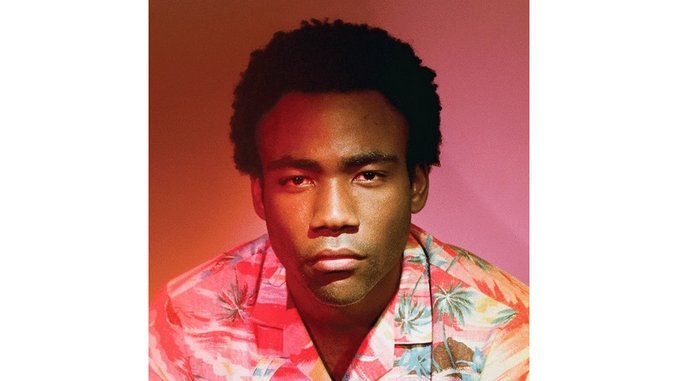
Generally speaking, this same purpose is utilised within music albums, especially concept albums which work to explore every nook and cranny of a particular theme or idea. Rather than weighing down the listener with a mountain of intricate ideas, a quality artist will place an interlude after climatic moments of discussion to offer some downtime to process. Donald Glover does this exceptionally on his 2013 record Because the Internet. An amalgamation of heavy, pulsating electronics, obscure vocal samples and thrashing lyrics, crash together to create a scorched soundscape intended to mirror the overwhelming nature of the internet age. ‘II. Worldstar’ delves into the impact satirical sites have on who we are as people and serves as a reminder that these sites act largely as a distraction. Then ‘II. Zealots of Stockholm [Free Information]’ questions the true motives of people based on their online presence in an ever-growing online world. With themes of existential dread and ego-death fuelled by an obsession with the internet, it is only natural that the listener at some point will scream out for a break during the albums track list, and that’s where ‘Dial Up’ serves a crucial role. A clunky windshield wiper beat (I’m serious) is paired with an infectious and glowing retro synth rhythm, creating an oddly peaceful and innocent aura in an album defined by themes of being jaded with the digital age.

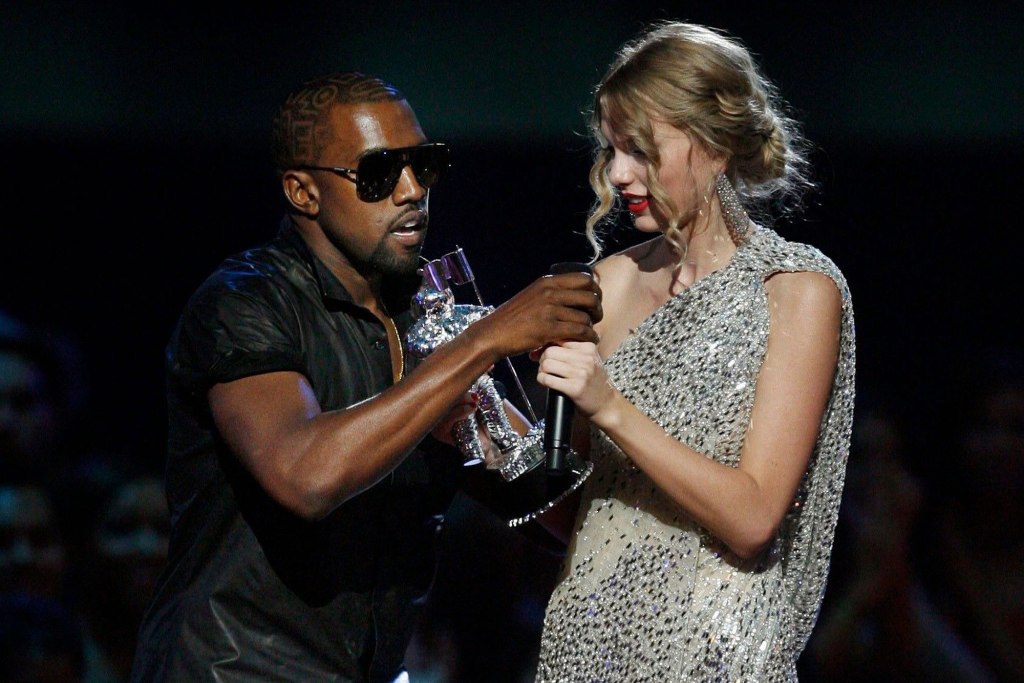
Whilst this ‘break from proceedings’ style interlude is often used upon albums similar to how it is within the theatre, the creative scope of an interlude is widened drastically within the world of music, allowing musicians to effectively utilise it however they wish. There are no rules or expectations to the interlude. If an artist wants to make a track simply to proclaim how much they love themselves (looking at you Kanye…) they can. Who’s stopping them. For me, that’s the beauty of the interlude; the inherent ability to allow artists to truly express themselves outside of the boundaries of a song, often subtly adding to the sustenance and themes of an album. 

So, upon closer inspection, I realised that the interlude can be used for a multitude of different purposes, and to stay with Kanye West for the meantime, one of the most effective is to heighten the dramatism of a particular moment. Kanye’s 2010 masterpiece, My Beautiful Dark Twisted Fantasy, was released amidst a whirlwind of public criticism aimed at Kanye (a whirlwind that has resurfaced recently), and so the album served as his answer to the controversy that surrounded him. Crazy enough to believe he is the greatest to ever do it, the album staked his claim at the industry’s throne with an array of maximalist ideas and baroque style instrumentations. Every single track resembles a moment in hip-hop royalty, and to achieve such an extravagant sound, he utilises a specific interlude exceptionally: ‘All Of The Lights (Interlude)’. Appearing after ‘POWER’, an ode to Kanye’s relentless, exploding sense of self-worth, ‘All Of The Lights (Interlude)’ invites the listener to wallow in the nuclear fallout of what they have just heard, whilst also beginning another dramatic climb towards the albums most magnificent high, ‘All Of The Lights’.

When you have a record so abundant with fantastic tracks, oftentimes they don’t share the spotlight equally, as each one gets lost in the shadow of the next. Now of course Kanye, determined on demonstrating his genius, wants to place our undivided attention on every single track, and so he adopts interludes to yank our attention away from the previous masterpiece and build our anticipation towards the next, as he continuously shatters our already high expectations. ‘All Of The Lights (Interlude)’ offers a stark sonic contrast to ‘Power’. As ‘Power’ closes in a messy haze of electronics, the interlude ushers in a classical approach with merely a piano and violin. Slow dancing in perfect harmony these two instruments create a thick feeling of melancholy. This swift change from rampant invincibility to sombre vulnerability is the very archetype we have come to associate with Kanye West, and a perfect example of how interludes can quickly grasp our attention and instantly build our anticipation. This moment of juxtapositional softness within the album makes us ask: “what could possibly come next?”. The interlude prepares us for what is to come, refreshes our mind and avoids a clunky ‘cold open’ into the next track. Just as the violins wind down into a slumber, the iconic trumpet score of ‘All Of The Lights’ awakens. Kanye knew how great ‘All Of The Lights’ would become and refused to let it get lost within the shadow of ‘Power’. By using the interlude, he seamlessly builds towards another breath-taking climax on the album, without hindering the natural journey of the record.

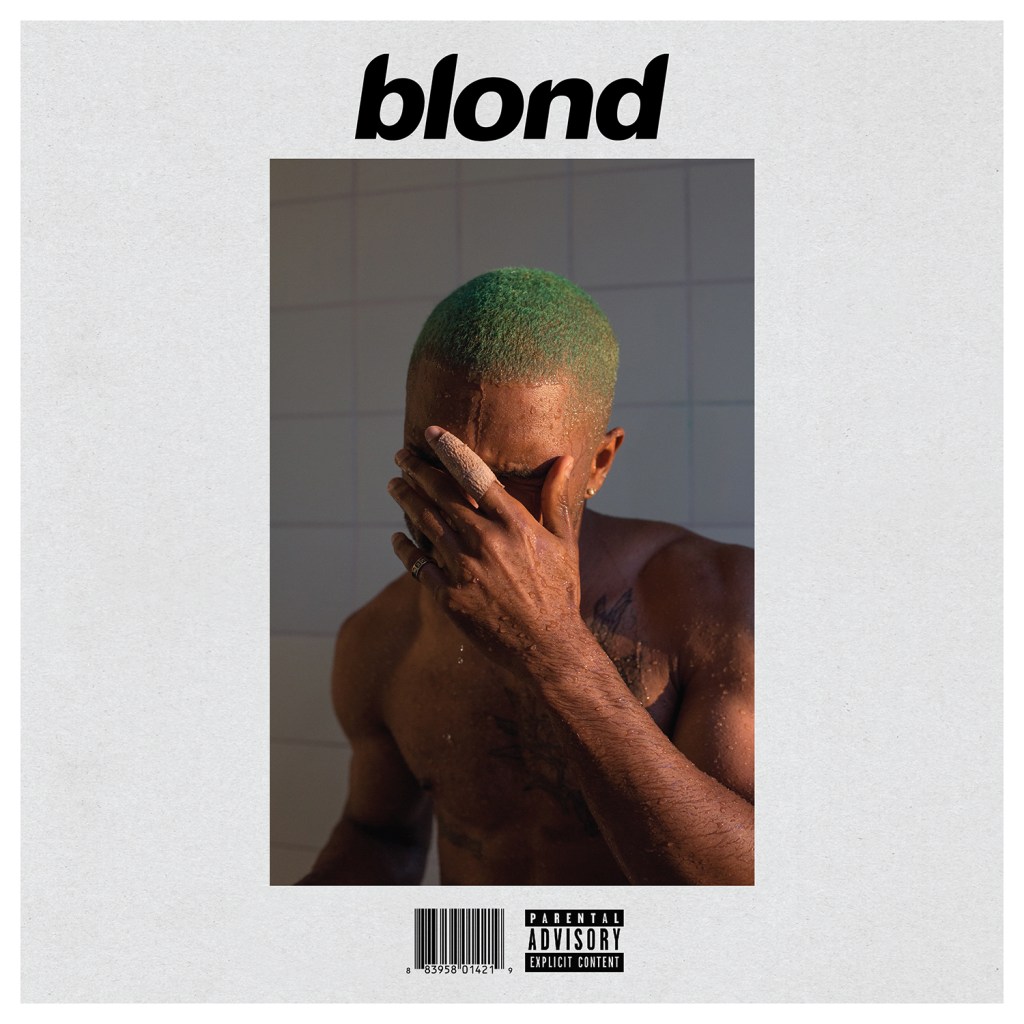
Bearing an unwavering transitional power, interludes have the capacity to encourage the seamless shift between songs, and when used correctly, the interlude heralds a new chapter in an album’s story. Mid-album interludes are by far the most common and well known. They come in all shapes and sizes and give an opportunity for the artist to show a bit of personality. These transitionary interludes can be anything, but are often musical breakdowns which reel you into the album’s story further, as it metamorphoses between themes. Frank Ocean has a moment on his album blonde where he wonderfully uses such an interlude to drive forward the record’s storyline and enter a new place of contemplation.

Ocean’s most vulnerable and personal project to date, blonde employs sexual experiences, loss and trauma to explore masculinity, depression and both the overwhelming ecstasy of love as well as its heart-breaking evanescence. Tremendously delicate, the album is precisely put together and Frank Ocean’s use of interludes mirrors such an approach. It may be known as just “that song before Nights” but ‘Good Guy’ plays a crucial role within the intricate storytelling of blonde. The first half of the track plays a brief lo-fi chord melody, accompanied by Frank’s raw vocals which laminate the decline of a fruitless sexual experience as he realises the intimacy they shared was meaningless. The gentle synthesiser in the background allows for Frank’s vocals to stand front and centre, putting his heart on his sleeve and thus, ushering in a new chapter in the album’s journey. It bridges the gap between the more romantic musings of Frank in the album’s initial half before tapping into his more cynical and darker guitar ballads of the latter half, starting with ‘Nights’.

Whether an artist uses interludes as an opening gag, a homage to a brilliant comedy show they watched, or a palate-cleanser, is entirely their artistic decision. Whatever the reason an artist made an interlude for (sentimental, cultural or otherwise), they can use them as they please, and that is their intrinsic beauty. No matter how they are used, they work to add sustenance to the album and plunge the listener into the carefully curated world that the artist has constructed. If you take the interludes out of an album’s track list and listen to them as stand-alone tracks, they most likely feel underwhelming and don’t make sense. Equally, an album without its various interludes loses its cohesion and falls apart into a non-sensical mess. It’s the little details that lay the foundations for the piece’s vastness to thrive.

Here’s a collection of my favourite interludes:

Meme or Masterpiece? The FIFA Soundtracks

This song is on FIFA

Five drunken words hated by almost every girl across the country and adored by almost every lad.

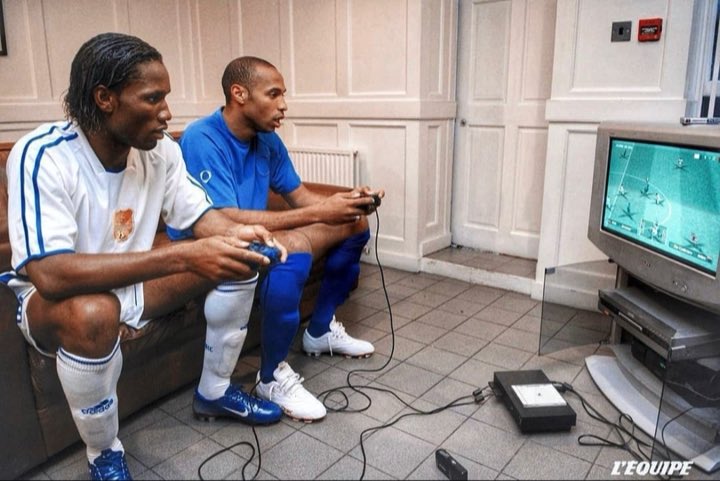
FIFA’s gameplay didn’t reinvent the wheel by any means. Every year it comes out with the same dysfunctional features and toxic player base (guilty as charged), however, every year I come trundling back to it for its one saving grace. The soundtrack. It’s just so bloody good. It makes you forget about all the game’s shortcomings, transforming it into an experience which allows you to escape from your own personal stress. When I look back upon my time playing the older games, I can’t help but hear these classic tracks soundtracking my own coming of age story as I discovered the world of music, and, more importantly, grew up. Maybe it’s just another case of myself being blinded by nostalgia, but I wanted to take a brief look back at what made the FIFA soundtrack so popular and how its adapted over the years to appeal to new demographics. Warning – I will be geeking out about FIFA, so this is your chance to leave.

Still here? Great.

FIFA 12 was my first game in the series, and amongst some of the ridiculous fun you could have on Ultimate Team when smashing in finesse shots from miles out, the soundtrack in particular has remained etched in my memory as having some of the series’ best tracks. I remember sprinting through the house after school, diving on the sofa – still fully clothed in my uniform – instantly turning on my Xbox and being met with the feel-good sound of The Strokes’ ‘Machu Picchu’. All of a sudden, everything was good. My homework could wait. My dinner could go cold. I was set for the night. Nick Valensi on the guitar provides a lively riff that injects the track with an electrifying energy, and as a result wonderfully prepares you for the arcade like, high octane gameplay you’re about to experience. The President of EA’s Music Divison, Steve Schur, says the 40-something songs chosen to appear on the game every year aren’t just the “Greatest Hits”, they are specifically chosen to reflect not only the in-game experience but the wider culture of football itself. With ‘Machu Picchu’ in mind, it’s interesting to look towards the older titles and see how this “cultural mirror” of sound has evolved overtime as the game’s audience has grown.

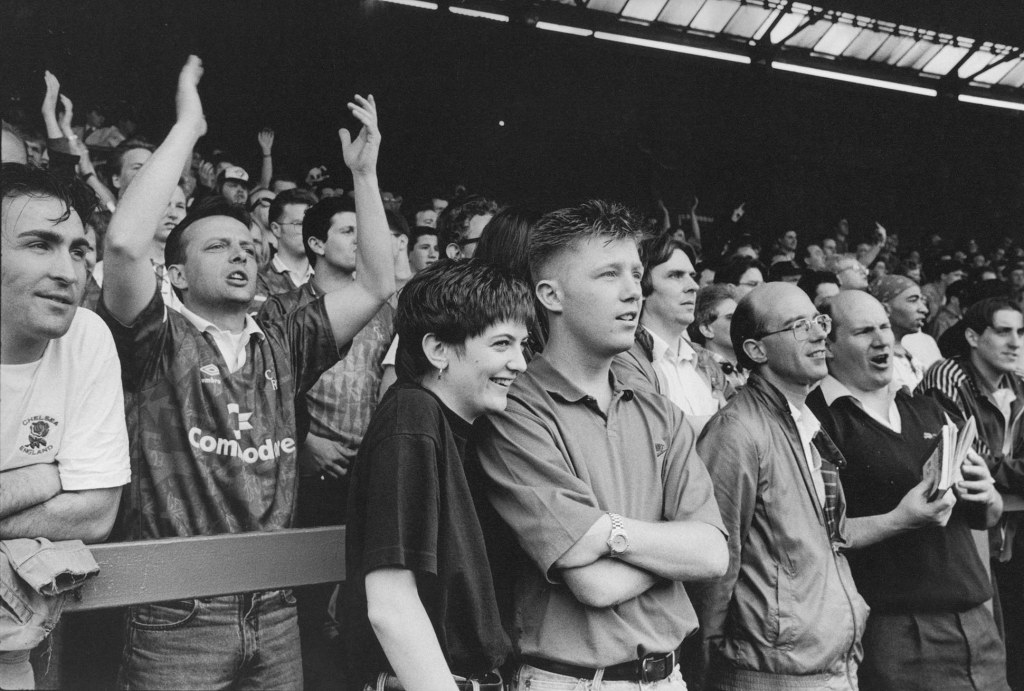
The Strokes are one of the most internationally recognised Indie bands, and their appearance on FIFA 12, tells me one thing, Steve Schur and his team of music detectives know exactly who they are appealing to. Before the game started to sell hundreds of millions of copies worldwide, it was targeted at teenagers and the authentic football fan, otherwise known as the infamous ‘Football Casual’. Permeating every area of British footballing culture, the casual is often seen about 8 pints deep, bellowing out incendiary lyrics from the front of the terraces. Enthusiasts of life’s more rugged pleasures, there is one thing they love more than a crunching two-foot challenge or a thumping back post header. Indie music. It’s a staple of ‘game day’, frequently played in the pubs surrounding the ground, and oftentimes used to inspire club chants where the lyrics are replaced with relevant player names and such. Thus, the earlier FIFA titles tapped into this love for the genre and packed the games full of fan favourites like “I Can Talk” (Fifa 11) by Two Door Cinema Club, and underground hits like The Vaccines “Wreckin’ Bar” (Fifa 12).

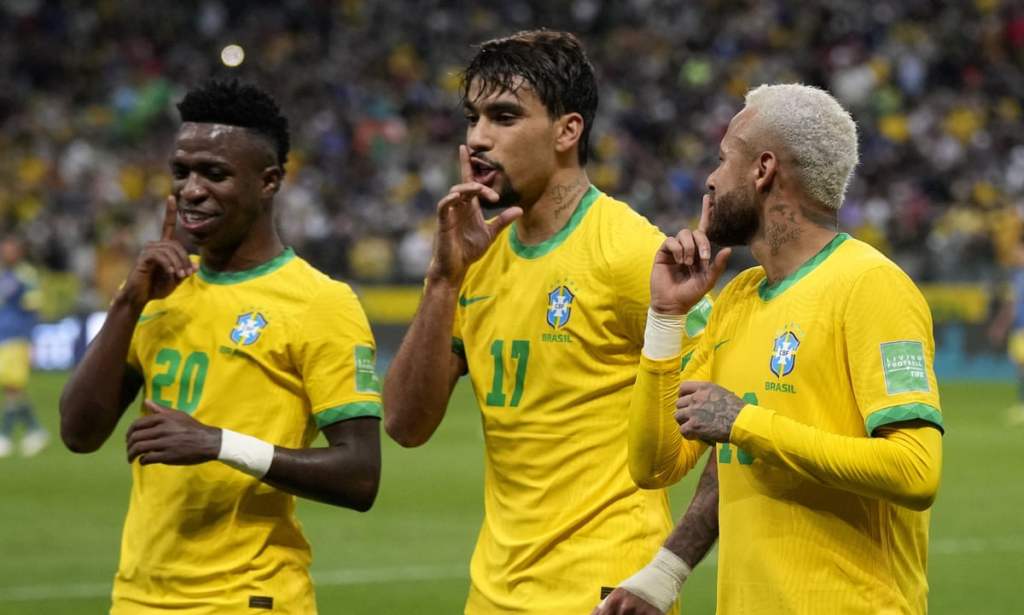
The fallout of their carefully curated selection was immense. A seemingly endless list of Spotify playlists are dedicated to the game series, as thousands of Brits try to recapture that nostalgia of smacking your mate 6-0, and returning to the menus to be met by the sweet sound of John Newman’s ‘Love me Again’. However, as the game has grown to international acclaim the soundtrack has had to quickly adapt. The recent ones are inclusive, contemporary and cohesive, swiftly evolving to accurately reflect not only the diversity of today’s music scene, but also the international nature of the fans playing the game. Part of the sport’s beauty are the various approaches to how it’s played. Spain have become synonymous with intricate ‘tika-taka’ passing moves, Italy are renowned for their stringent defensive displays, whilst Brazil famously flaunt a nonchalant flair that mesmerises the crowd. Football appeals to so many more than just the football casual, thus, it’s only fair these different cultures are represented.

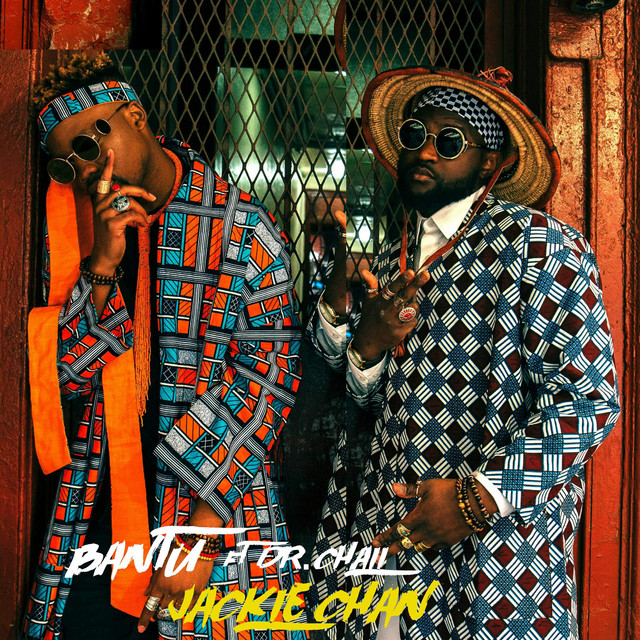
Fifa 17 saw a surge in this multi-cultural approach, as EA Sports’ music division incorporated a number of smaller artists from across the world. Mexican singer, Ceci Bastida saw her single ‘Un Sueno’ feature and in turn expose the rest of the world to the nation’s high-tempo, electronic style that not only invigorates the FIFA fan with a wave of endorphins, but perfectly matches the ‘all or nothing’ approach that the Mexican national team frequently adopt. Two years later, the Zimbabwean duo, BANTU and Dr. Chaii appeared on FIFA 19 with their track ‘Jackie Chan’. It’s uplifting fusion of R&B and Afro Pop helped to bring modern African music into the spotlight, and simultaneously celebrate the international landscape of football. Just as different teams have different footballing philosophies, different nations have unique soundscapes that elevate a cultural authenticity and FIFA are constantly enlarging their playlists to reflect this.

Although over the years the game itself has unfortunately degraded in quality, the soundtracks have remained consistent and most importantly, kept up with the times. FIFA soundtracks serve as the passionate, connective tissue between supporters all over the world and the songs in the game – in the hope that the music, just like football, will resonate with people and bring them closer together, no matter the language. Additionally, these tracks possess a celestial quality, soundtracking both your in-game milestones and your concurrent real-life experiences. In 30 years’ time, I’ll hear Glass Animals’ ‘Heatwave’ and fondly look back on the time I spent in lockdown, playing Pro Clubs with my mates till 2 in the morning like a sad old man.

Here is another shameless playlist plug for ya:

What the Fuck is Electro-Punk?

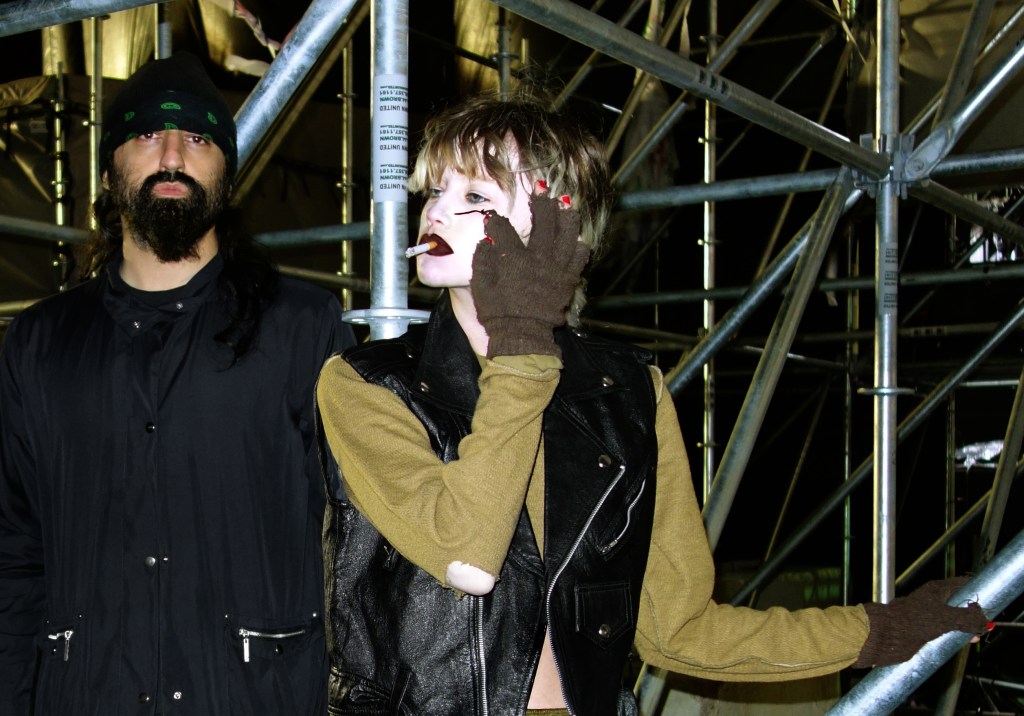
When I first started listening to the Canadian electronic-duo, Crystal Castles, I never thought I would end up adding songs with names like “Pretty Cvnt” or “Mr. Kill Myself” to a playlist titled “angry electro”, but I’ve ended up here and want to figure out what went wrong. Crystal Castles’ popular hit “Not in Love” was one of my first ventures into electronic music, its sparkling synth melodies and booming bass instantly got me hooked as a child, as the track offered an uncanny sense of comfort. It was only recently that I decided to delve a little deeper into their discography and their genre as a whole. Why not? If I enjoyed their chart toppers so much surely I would find something I liked. Yet with every dive down that initial sense of comfort slowly faded. I found myself frantically coming back up for air, desperately trying to bleach my ears from the obscenities I had just heard. However, for some reason I found myself going back into the belly of the beast. Like a deranged crackhead I needed something more intense and more addictive with every return. Maybe I just hate having ear drums, but I just couldn’t get enough of the sharp, streamlined basslines and piercing vocals that I kept finding. Crystal Castles gave me the curiosity to overturn the metaphorical rock, in turn revealing a gruesome underbelly of musical horrors my mind couldn’t fathom. This is Electro-Punk and I fucking love it.

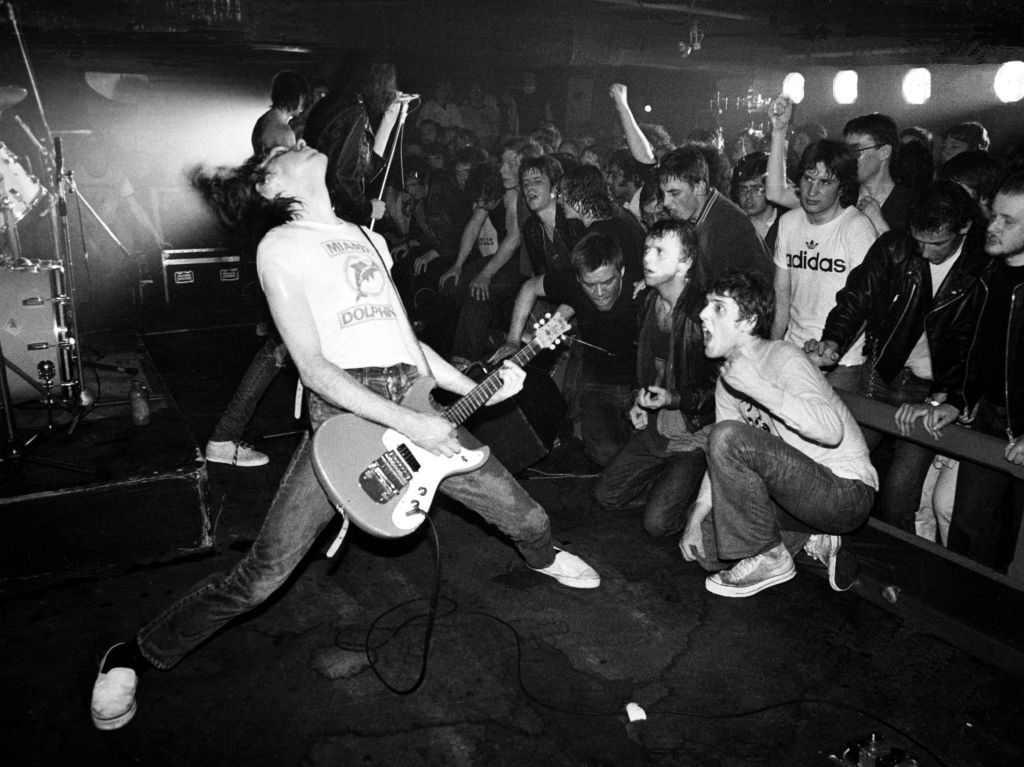
Serving as an umbrella term to other sub-genres, Electro-Punk describes the combination of electronic music with the distinctive attitude of Punk music. Originating in the mid to late 60s with the appearance of The Stooges, Punk music evolved into a pivotal moment in music history, helping to break down barriers and proudly stand up for what it believed in. However, it wasn’t until the genre dug its roots into the British scene that it really began to take off. To make a long story short, during the 70s the British people were angry. With unemployment rates at an all time high, anti-establishment views began to spread throughout the nation, and Punk music quickly tapped into this zeitgeist with its signature style. Characterized by fast tempos, booming, distorted riffs and shouty, discontented vocals, the likes of The Sex Pistols and The Clash curated a thrashy and confrontational form of musical terrorism that said exactly what the country was thinking. This distinctive sound of non-conformity created over five decades ago serves as the lifeblood for the punks of today.

Upon a first listening of Crim3s’s ‘Lost’ or Crystal Castle’s ‘Fleece’ the parallels quickly rise to the surface. Sadie Pinn’s stretched out, electrified vocal performance across ‘Lost’ reverberates through your entire skull in the same way Johnny Rotten’s crashed around arenas up and down Britain. Almost entirely incoherent, her voice seamlessly blends with Rou Rot’s sonic hellscape in a rebellious instrumental frantically trying to escape its cage. This, I think, is the new weapon of the modern-day punk. Whilst those in the 70s waged lyrical warfare, today we see an abrasive experimentalism standing in its place, all thanks to the growing use of the modern-day synthesiser.

The guitar served as a stalwart companion to any 70s Punk band, laying down hyper-energetic basslines and more importantly displacing the synthesiser itself. Rarely seen in Punk circles, it was seen as a big-ticket item used only by the millionaire rock stars. You know the people punks despised. However, you’ll do well to find any Electro-Punk tracks that don’t utilise the synthesiser. An amazingly expressive instrument, the options are almost endless, allowing artists to create sounds both intimate and strikingly original, therefore making it the perfect choice for the genres frenzied nature. Whilst lyrics still play an important role, it is mainly the cataclysmic sounds of Electro-Punk that drive forward its message of non-conformity. If we loop back to Crystal Castle’s ‘Fleece’, such a sentiment is evident. Ethereal electronics flutter away in the background, before a spine rattling bassline smashes into the foreground, producing a sound akin to letting an angle grinder loose on your skull. We can even look back to The Prodigy’s ‘Smack My Bitch Up’ and find an earlier adaptation of this synthesised chaos. Accompanied by Keith Flint’s vulgarities, Liam Howlett proceeds to descend into a murky abyss at the one minute forty-five second mark. Mixing crushing bass drops with piercingly high-pitched electronics, the result is a sensory overload similar to being hit by a flashbang. The punks of the 70s didn’t care what they said; the punks of today don’t care how they sound.

Moody, unorthodox and undoubtedly raw, I strongly urge you to take the plunge into Electro-Punk. Here’s another playlist to get you started:

Kanye West: The Unreleased Genius

Disclaimer: I first wrote this before ‘Donda’ released!!!

“July 24”

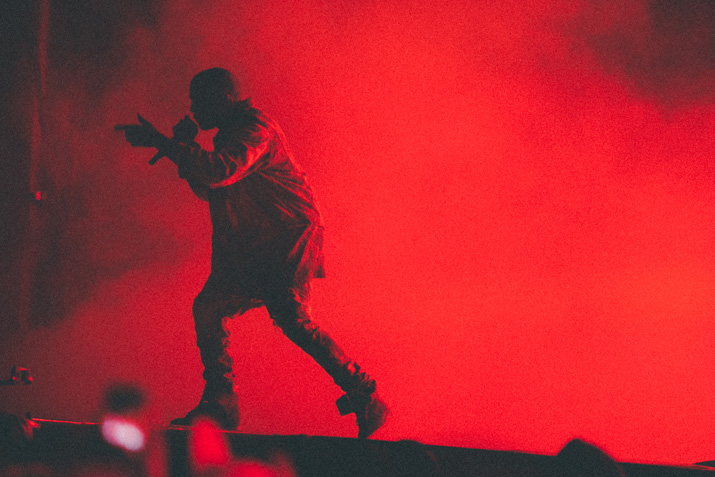
The scheduled date for Hip-Hop icon Kanye West’s 10th solo studio album, ‘DONDA’. It has now been over a month since Kanye’s announcement and alas we are once again left yearning for another elusive record. This is far from the first time Kanye has failed to reach his deadlines. His critically acclaimed album ‘The Life Of Pablo’ was a staggering 531 days late, whilst his most recent, gospel inspired album, ‘Jesus Is King’ was 29 days overdue. Whilst perhaps aesthetically different, both albums shared the same chaotic rollout of tracklist changes, missed deadlines, and manic Kanye tweetstorms. However, the unorthodox nature of Kanye’s album releases doesn’t quite reach its peak there, it was with the mythical ‘Yandhi’; a word that almost sends shivers down the spines of every Kanye West fan. Intended to be a spiritual successor of his Grammy-nominated album ‘Yeezus’, ‘Yandhi’ was announced for the 29th of September 2019, but never came; instead falling into the abyss of Kanye’s unreleased records. Perhaps then with all this in mind, we should be wary about ‘DONDA’ following the same path? Yet, it’s within the madness of Kanye’s unreleased music that we can find moments of genius.

Kanye West is truly one of the great innovators and influencers of the contemporary music industry and his discography parallels such a claim. As good as his various albums are, they are only the tip of the iceberg. His collection of scrapped projects is as vast as it is varied. So how much music is there?

  • Wolves – Drake/Kanye joint album teased in 2015
  • Turbo Grafx 16 – A project that was later released through TLOP
  • Cruel Winter – An intended successor to G.O.O.D Music’s compilation album ‘Cruel Summer’
  • So Help Me God – Another album designed to follow up from ‘Yeezus’
  • The College Drop Out (Original Version) – Before its official release, an earlier version leaked, forcing Ye to make some altercations.
  • Good Ass Job – Created as a sequel to ‘Graduation’
  • Watch The Throne 2 – Announced by Kanye in a 2018 tweet
  • Yandhi – Teased on twitter after ‘Ye’ in 2018

Some of these scrapped projects were precisely that, nothing more than fleeting ideas within the ever-changing psyche of Kanye West. Whilst others moved further down the production line, developing into whole albums and ultimately so much more.

Both ‘So Help Me God’ and ‘Yandhi’ stand within the latter category as tracklists, artwork and even the albums themselves can be found upon the internet. As previously mentioned Ye’s discography is of the highest quality, and it’s clear he only puts out what he feels is up to standard. However, I can’t help but feel each of these scrapped albums would fit in perfectly to his catalog of music. ‘So Help Me God’ seems to tackle the more introspective, psychologically hurt side of Kanye West as he accepts some of his own flaws. Within the album, he blends together booming organs and electronics with a softer aesthetic of piano chords and heartfelt lyrics. It’s throughout the albums 15 tracks that we see the uncontrollable god complex of Kanye (symbolized by the electronic sounds) crash head-on into the caring family man we know he can be. The album includes some of Kanye’s best work, such as the moving ballad ‘Awesome’ which echoes the sentiment of his 2013 track ‘Bound 2’. Then there is the masterful track ‘I feel like that’, which gives us an intimate insight and exploration of Kanye’s mental state. Throughout its 3 minutes and 48 seconds, Kanye utilises various spoken verses as he exclaims his experience with mental health, such as “Nervousness and shakiness inside”. Such a technique is accentuated through the tracks minimalist beat, thus, placing all the focus on Ye’s intimate lyrics; creating what could have been a true classic of his discography.

Nevertheless, the magnum opus of Kanye’s unreleased genius is the mythical ‘Yandhi’. To think that West deemed ‘Yandhi’ unfitting of his music collection seems almost crime worthy. Yet, through websites like YouTube and Reddit leaks of the album arose, giving ‘Yandhi’ a new life and as a result constructed its own unique legacy. The first few leaks arose in mid-August of last year – in particular, multiple postings titled “Not Yandhi”. These leaks took the music scene by storm, leading to various positive reviews. Since the explosion of leaks, the album has become immortalised within a musical space of underground secrecy. It’s not unfair to suggest that some of Kanye’s greatest tracks and ideas appear on the album. The ‘Yeezus’ inspiration is clear as immense electronics reverberate off our eardrums as well as Ye’s trademark screams that we have seen before upon ‘I am a God’. Simultaneously, however, we see a merging of the ‘Old Kanye’ through his bouncy rhythm and downright funny lyrics, resulting in the birth of a mesmerising album. There are a few songs within the album’s progression that are embedded with true greatness. ‘Hurricane’ is perhaps one of these tracks, as Kanye dips into his God complex yet again, stating that he influenced the new wave of contemporary rappers with the lyric: “Dropped the wave runners, now we run the wave”. Law of attraction’ is another one of the unreleased greats. It is built around the solitary sound of a car alarm and slowly builds outwards through the layering of synths, 808s, snares, drums, and Kid Cudi-Esque auto-tuned humming. By the track’s climax we are met with a truly breath-taking musical piece of epic variety. Ye harnesses an aesthetic akin to that of an opera house within the song’s runtime. So many instruments merge together in perfect harmony, resulting in a piece that arguably competes with ‘Runaway’s’ perfectionist feel.

Ultimately, both of these records as well as others from Kanye’s ocean of unreleased music clearly have great quality and could slot into his collection of music. However, I think whilst Kanye can seemingly turn anything he touches into gold, the greatness of his scrapped projects sprouts from somewhere else; their illegality. There is something about their secrecy that adds a new dimension to the experience of listening to them. An adrenaline-fuelled rush comes over us as we frantically try to listen to all the tracks before they are inevitably torn down off YouTube again. It’s their aesthetic of exclusivity and illegality that gives them a quality that is unobtainable for any officially released music. Through the spread of leaks, a whole new music sub-culture has risen to commemorate this genre of almost illegal music. Existing on the website Reddit a whole community is dedicated to Kanye West’s unreleased music, in the form of r/yandhileaks’ (now r/WestSubEver). It’s a space where individuals share new leaks, better versions, and theories surrounding the elusive ‘lost tapes’ of Kanye’s discography. Having these hidden projects occasionally rise to the surface through leaks embeds them with a sense of classic underground Hip-Hop culture, one which parallels that of 1980’s street rap. Whilst it would be nice to have them officially released and floating throughout the mainstream, they gain a powerful, secretive aesthetic from remaining within the shadows. It seems that Hip-Hop’s greatest influencer has influenced the industry without even realising it.