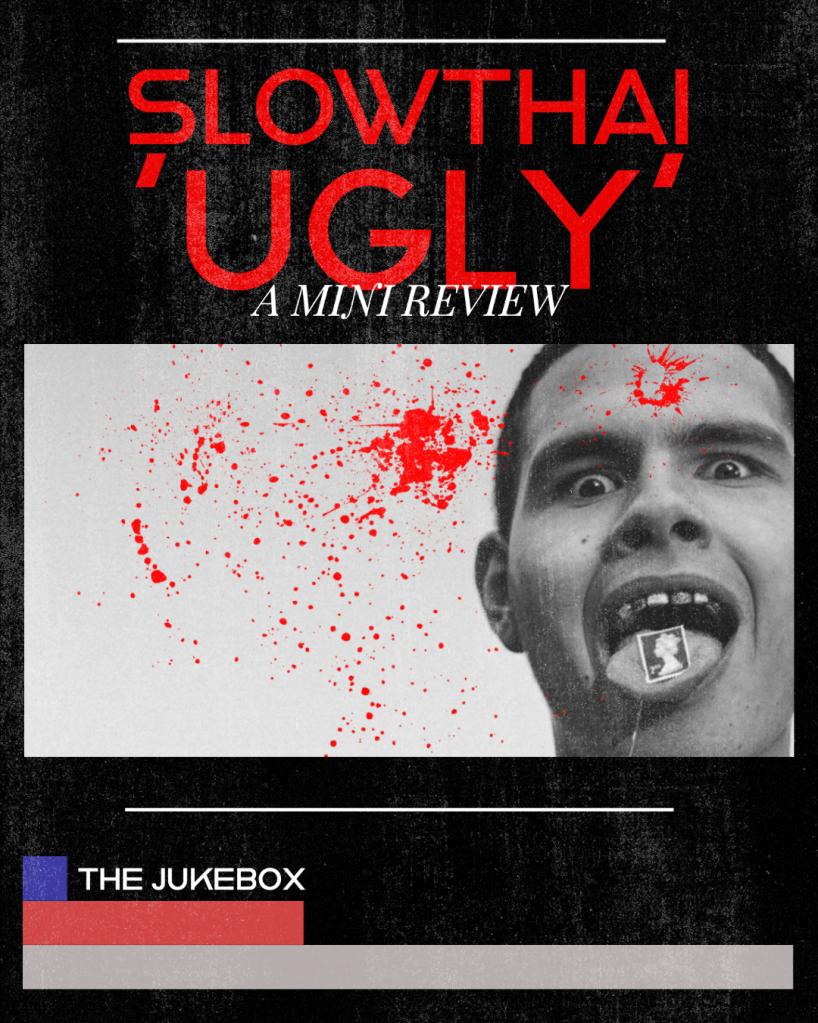
Slowthai ‘Ugly’ – A mini-review

As anticipation continued to grow for Slowthai’s (Tyron Frampton) third album ‘Ugly’ upon social media I found myself, for the first time in a while, genuinely excited about a release date. As a long-time fan of his, I was not disappointed. However, after a quick search around the internet for other’s opinions, I found, to my disbelief, that some were. One review in particular from Pitchfork stated that  ‘Ugly’ “trades rapping and electronic beats for ballads and rage rock. The results are largely underwhelming.” I’m sorry, but if that’s what you took away from the album, then you’ve totally missed the point of what Slowthai stands for. It’s not an out and out swap of style, nor is it an approach to music that should come as much of a surprise if you’ve been following his journey closely. Throughout his career, Ty has been renowned for plucking from a wealth of music influences, Punk and Rage Rock being two prominent forces, meaning that he has never found himself cemented in one singular sound. Rather he bounces from one genre to the next, like a butterfly orbiting a selection of bountiful flowers, sampling each taste, before fluttering into the air to flaunt its beauty in a dramatic, irresistible, mesmerising dance. For Slowthai, ‘Ugly’ is his chance to catch our eye, fuse his passions and dance the night away.
In today’s music industry, I somewhat feel that, especially within popular music, we expect artists to remain within a comfort zone from which they found initial fame. We appear to praise music that’s the ‘same but different’ rather than something entirely unique and daring, which is where true value is found. It was this criticism of ‘Ugly’ that made me realise perhaps people prefer music made by robots; repetitive tracks which refuse to push the boat out and happily stay within their thickly padded comfort zone of routine and previous success. Those who dare step out from the shadows get smacked by aggressive review bombing, visceral tweetstorms and cutting prose from critics sat high upon their ivory towers. Slowthai dared to go against the current and, in my eyes, he succeeded.

Really it’s no surprise that Ty tried something new with ‘Ugly’. For those that have followed his career closely, we have been lucky enough to witness him break out from any genre constraints media outlets have attempted to push. By utilising his bank of music influences, Ty meticulously layers a range of sounds that inspire him. The 28-year-old rapper-slash-rockstar has always spat out caustically witty bars over abrasive beats that blend a plethora of genres from Grime, Trap and Soundcloud rap to the far reaches of Punk and Screamo. In an interview with Noisey back in 2018, Ty shone a light on some of his influences which have resulted in his own unique sound. During his childhood, Ty adored The Street’s ‘A Grand Don’t Come For Free’, a witty album which explores the reality of British life through Punk and Electro influences. Sound familiar? The more you listen to Slowthai’s discography, the more the Street’s effects are evident. Other key artists he mentions as being pivotal to his own growth cover a wonderful spectrum of sounds, from his obscure obsession with Daniel Johnstone (the guy that wrote ‘Casper the Friendly Ghost’) and interest in hard-hitting Gabba music, one of the most standout is his affinity for Radiohead, particularly their track ‘Karma Police’. With ‘Ugly’ in mind and its powerful ballad style moments, similar to those crafted by Radiohead, it’s clear to see that Ty has taken some of his favourite aspects from his most beloved tracks, and distilled them into his own style.
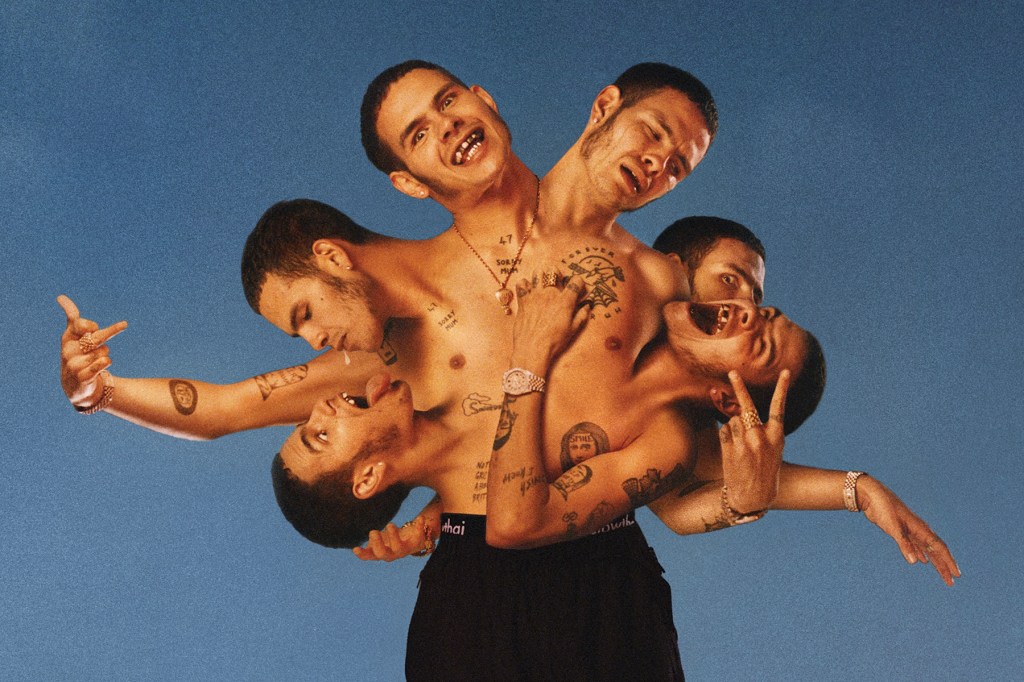
As previously explored, ‘Ugly’ is an album that doesn’t adhere to the mainstream, it has been conceived out of a music lover’s deep dives into the backlogs of music history, however, the album isn’t a sheep. Ty doesn’t imitate but rather he offers his own interpretation on a variety of sounds. ‘Ugly’ carves out its own messy yet vital domain; it’s a celebration of sound. A warts-and-all reckoning, the album opens on ‘Yum’, with lyrics that lean towards the positive personal affirmations that now proliferate in pop, lines you could imagine being belted out over a big power-ballad chorus: “You are great, you are good, you’re a king, you’re a queen, you’re a genius.” Yet it soon takes a swift turn into a disturbing, visceral electronic storm as Ty lists everything that’s pumping through his system: “More coke / More weed / More E’s / More trips”. Opening with a perfect storm of his many influences, Slowthai is preparing us for this genre-bending journey. Later in the album on ‘Never Again’ we hear Slowthai flip the switch back again; gone is the screaming tortured soul, and in its place emerges a beautifully soft and intimate side harmonising to a delicately plucked guitar. He’s equally capable at slowing down the pace as he is at going pedal to the metal. The chorus spotlights his capacity for vulnerability:

Still got pictures on my phone,

I still sleep on your side of the bed,

I reflect on things I should forget,

The things I should of said, I wish I did

This is a man who lets himself be fragile, and openly contemplate over a lost relationship he still yearns for. He couldn’t seem more distant from the one who shoves “coke” “weed” and “E’s” into his system to forget. It’s this ability to flutter between two extremes that makes Ty such an exciting artist, and he owes a big part of this talent to his eclectic music taste which inspires his creativity.

Never Again’s snare-heavy pattern is an inch away from a drum’n’bass break, almost as if Ty struggles to stay within one genre, instead pushing the boundaries of his own song in an attempt to break out into something different. ‘Selfish’ and ‘Falling’ dip back into those Punk influences which he loves to exercise so much, and has done previously on his 2018 hit ‘Doorman’. On ‘Falling’, a crashing drum rhythm makes the volume scale creep higher, along with Ty’s screeching vocals that sound less like a vocalist and more like someone singing along to the radio after a few drinks. It’s awfully human and wonderfully unforgiving. ‘Sooner’ opens with a happy-go-lucky guitar riff that you’d expect on a mediocre alt-rock album, as he then explores what it means to live solely by your own rules and how he wishes he had that realisation sooner. 

In this exploration we see Slowthai, yet again, retell his stories of life on society’s fringes and tackle themes of self-deprecation, anxiety and mental health crises on a track that wouldn’t look out of place on the pop charts. Ultimately, across ‘Ugly’s’ tracklist, he cherry picks elements from his favourite genres, albums and artists, yet continually adds his own idiosyncrasies. It would be easy to call ‘Ugly’ Slowthai’s alt-rock album. You can see why people could get that idea – ‘Happy’s’ string-bending distorted guitar and the screamed vocals at the end of ‘Falling’ both recall the Pixies; ‘Sooner’ opens with a breezy rhythm not unlike that of the Strokes’ ‘Last Nite’ – but that feels reductive. Take the title track, with its glowering clouds of synthesiser and woozy guitars, its gradual ratcheting of tension as Slowthai switches from singing to rapping, its singalong chorus bolstered by voices not really singing along so much as they are shrieking and bellowing: what alt-rock band sounds like this?

‘Ugly’ is its own creation. A happy catharsis of a plethora of music influences held together by an individual’s sonic curiosity and determination to try something new. An album by a music lover for music lovers.

8/10
Skin on Skin: Genre-bending

For those of you with your finger on the pulse of the UK dance scene, you may have noticed the tides are changing. There has been a recent shift in music production that appears to praise and encourage creativity and experimentation more than ever. Most importantly there has been an increased level of experimentation across genres, which I believe has been demonstrated by two DJs in particular, the incredibly talented Fred Again and Australian producer Skin on Skin. These two have begun to blur the lines between genres, resulting in the industry equivalent of a shot of adrenaline straight to the heart. Whilst Fred Again’s exciting DIY approach to sampling is fascinating, it is Skin on Skin who I will be focusing on within this post. To be more specific, I will be discussing how he created the twisted love child from two of the UK’s most popular genres and spread it like wildfire through raves across the country.

I first stumbled across SOS in the summer of 2020. A moody tech-house set in a Melbourne nightclub caught my eye as he seamlessly brought in popular samples from various genres, allowing each and every track to have a certain relatability. Naturally of course I dived into his Spotify, and found he was capable of designing an ambient space as well. Tracks like ‘Save Me’ and ‘Way Ur Touchin Me’ utilise a myriad of atmospheric sounds to entrance you through an utterly mesmerising sequence. Very quickly I saw that this guy had no ceiling. In a few years he was guaranteed to blow up and lo and behold that is exactly what happened – however, it was not for the reasons I predicted. For me at least, the ambient tracks were more enjoyable. I’ve always thought that chopping up samples in a DJ set is a bit of a cheap trick which simply takes all the best bits of someone else’s hard work, yet this is the side of his mixing which took him to newfound heights, and boy oh boy did this lad from Brisbane prove me wrong.

On the 4th of June this year, SOS performed a Boiler Room set at AVA festival in Belfast and exposed everyone to the future of dance music. Packed with spine rattling bass and punishing synth waves, the entire set is a techno lovers Elysium, with four or so noteworthy moments which set it apart from any old techno performance and there is one in particular I would like to talk about. At the 23-minute mark, SOS brings in ‘Burn Dem Bridges’, the track that thrusted him into the limelight, and produced a viral hit that took social media by storm. ‘Burn Dem Bridges’ fuses elements of hard-hitting techno percussion with vocal samples from UK Drill artists Sav’O and Horrid1’s hit track ‘Violent Siblings’. In a stroke of genius SOS had utilised a sample from a genre which is rarely used in techno music. If I had a pound for every Aretha Franklin or Sister Sledge sample, I’ve heard under the DJ tent at a festival I would be a millionaire. Now I’m not saying disco samples are bad at all, in fact I fucking love them, but what SOS did so successfully is take a risk, and in doing so he captured the attention of a nation.

Beans and toast, fish and chips, strawberries and cream. We’re a nation who appear to love things that come in twos, so why should Drill and Techno be any different? After all they are quickly becoming the two favourite genres of today’s youth. At a brisk tempo of 138 BPM ‘Burn dem Bridges’ matches the inherent pace of Drill music and holds a similar piercing sound. This sound is achieved through various incendiary ingredients which result in a combustible end-product which makes you want to punch someone in the face. The pitch-shifted vocal sample, from Sav’o and Horrid1 is masterfully blended with an abrasive synth line that loops throughout the track and builds towards an adrenaline-fueled climax of thunderous kick drums that cause what can only be described as sonic pandemonium. Just watch the Boiler Room set for evidence.

For many, this is a track that has been born out of a culture clash, but I would argue quite the opposite. Drill is the perfect match for Techno. Electronic dance music began as a form of release, allowing people to rebel and escape the grasp of the establishment, a wish which I would argue overlaps into Drill music as well. Both genres hold an inherent grittiness that binds them to their underground roots, making them both counterculture icons. They are sounds for the marginalised, the disenfranchised and the rebellious, thus, combining the two makes perfect sense. ‘Burn dem Bridges’ is a potent weapon for British ravers and a true anthem for soundtracking dinghy drug-fuelled warehouses across the country. There is nothing us Brits love more than hard hitting bass lines and lyrics filled with obscenities, therefore, it’s no wonder other producers are starting to take note of SOS’s example.

During another one of my crusades through SoundCloud, I recently stumbled across a small producer who undoubtedly takes inspiration from the Australian DJ. Baxter, who currently has three tracks posted on SoundCloud and all of them fall under this new ‘Drill-Tech’ genre. His most played track ‘FUCKBOY’ already has an impressive 233,000 plays, despite only being published three months ago. My personal favourite ‘RAMBO’ samples RV’s ‘Crep Shop’, looping the lyrics: ‘I could’ve been on the pitch doing rainbow flicks // But instead I’m in the trap with this Rambo’. Again, we see the vocal sample pitched up a few keys to align with the lightening quick tempo and sharp acoustics. Similar to ‘Burn dem Bridges’ our ears are met with a menacing tone and aggressive sonic feel. One way in which Baxter achieves this is by simply enhancing already existing characteristics of the Drill genre. A key facet of Drill music are these echoey bells or chimes which often serve as the cornerstone of the instrumentation. Such a sound helps to mould this ominous, almost threatening feel to the track and Baxter keeps to this aesthetic but increases the tempo, in turn creating a sound you would more readily associate with a vast, strobe light ridden warehouse rave.

You don’t have to look far across SoundCloud to find other Drill-Tech tracks that utilise the exact same techniques. Brion Moore’s ‘Together’, 666cmg’s ‘SPRINT ON MY NIKES’ and Skin on Skin’s ‘Eye for an Eye’ incorporate all the aforementioned techniques and most importantly are gaining some serious traction. For whatever reason it seems that dance music is moving in the direction of aggressive, dark subject matter and moody, punishing techno beats, a sound which can be traced back to the genre’s conception. Maybe it’s the foreboding arrival of winter causing ravers to retreat from the utopian festivals and congregate in dimly lit warehouses, zip up their half zips and adorn their most grimacing skank faces. Perhaps it’s just our natural pessimism as a country or a burning desire to return to our roots of comedically harsh bass lines. In all honesty I don’t know. But what I do know is rather ironically ‘Burn dem Bridges’ has helped build a few bridges. Bridges between genres. Bridges to a new era of sound.

Stranger Sounds

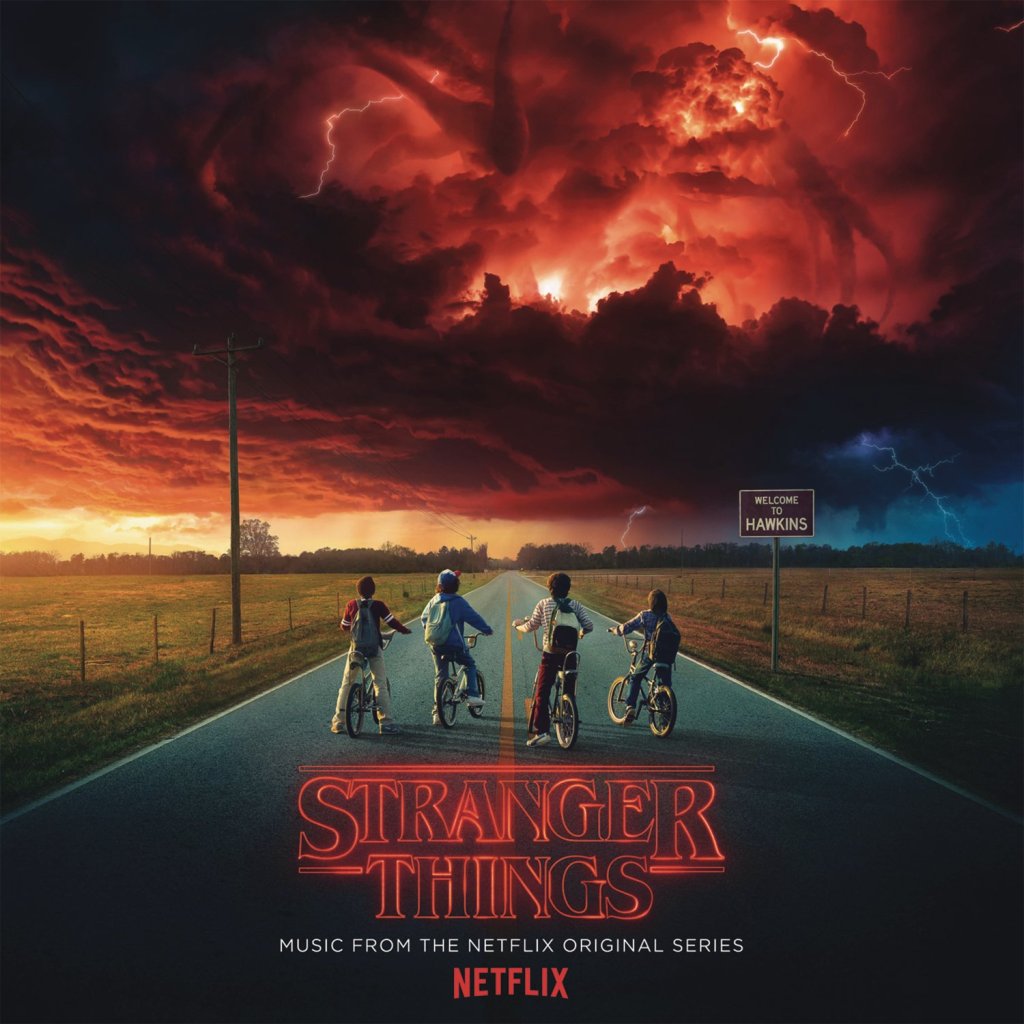
After the huge success of the Duffer Brother’s most recent season of Stranger Things it seems like the perfect time to discuss one of my favourite aspects of the show – the goddam music. Much of the show’s success has come from its innovative storytelling, incorporating everything from small town murder mysteries to grandiose Cold War plots and interdimensional horror stories. For me however, what brings this delicious cocktail of themes all together is the scintillating soundtrack. Amongst all the chaos, the unique ‘sound’ of Stranger Things manages to stand out within both a sonic and narrative sense. Music can play a crucial role in film and TV, often being used to heighten moments of tension, display character development and, in the case of Stranger Things, build the world. Using both an original soundtrack and carefully curated tracks from the 80’s, the Duffer Brothers mould two antithetical spaces through sound; the comforting nostalgia of small-town Hawkins and the eerie, ever present horror of the ‘Upside Down’.

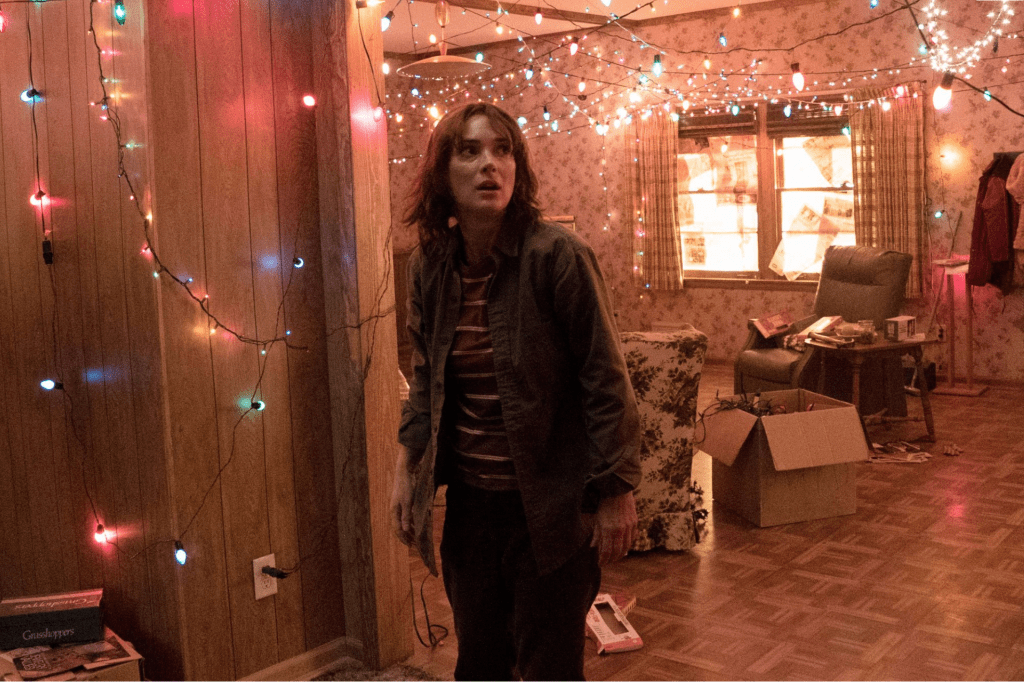
For many, myself included, Stranger Things has become a comfort show. It possesses a certain aesthetic that others can’t grasp. The spectral neon-lighting which accompanies so many of the character’s bedrooms, and especially Mike’s basement, constructs this warming, cosy tone to certain spaces throughout the fictional town of Hawkins. Whilst sprawled out upon the sofa in total comfort, you can’t help but become immersed in the show’s sense of reassurance, almost becoming nostalgic for a place you’ve never even been, and the original soundtrack enhances this feeling. Created by Kyle Dixon and Michael Stein, the synth-laden soundtrack is the perfect companion to the scenes where Mike and the other kids find themselves sharing a moment of solace in the safety of their own rooms. Amongst a catalogue of ethereal electronics, tracks like ‘Kids’ and ‘Friendship’ are two of my personal favourites which perfectly mirror the consoling nostalgia of the early seasons. Mimicking the gentle twinkle of the neon lights, the soft, fluttery synth scores work away in the background, not intruding too much upon our ears, but not fading out of existence. Instead the sound soothes our ear canals with the most delicate of notes which seem to invite us into a warming embrace. These beautifully melodic tracks persist in the backdrop of so many scenes throughout Hawkins, seemingly telling the viewer, everything’s ok, the monster under the bed has gone (for now). It’s moments like these where the work of Dixon and Stein comes into its own. Without uttering a word, the soundtrack instantly informs the viewer which spaces in this world are safe and which aren’t. In creating a sound that embodies a specific feeling, the show uses music to build the rules of its world, we as viewers promptly understand these dimly lit bedrooms are not spaces we need to be wary of.

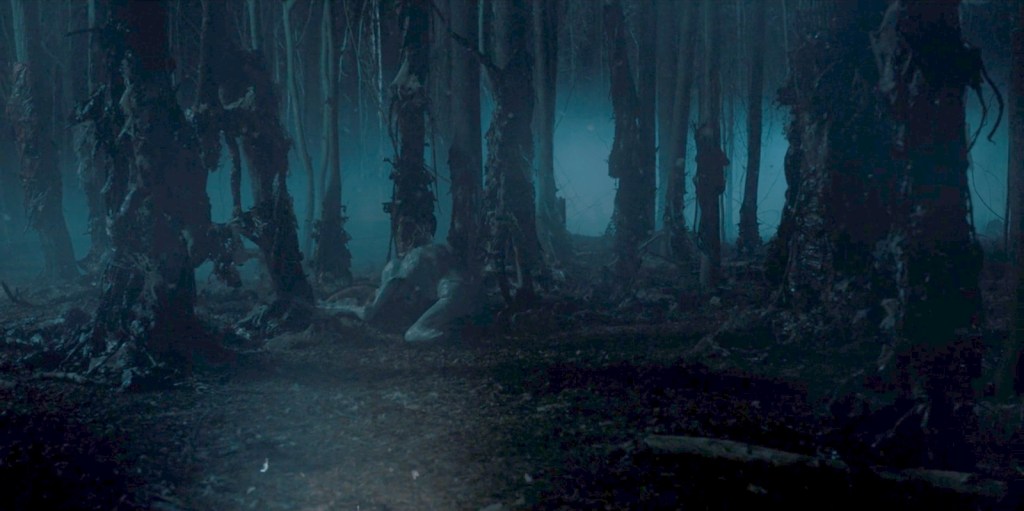
The flip side of using sound to convey meaning is that whilst we do still have beautifully intimate tracks, we also must have the polar opposite; dark, ominous and downright scary, it’s quite literally the upside down. Way back in season one we get introduced to the ‘Upside Down’; a type of parallel universe consisting of barren, twisted landscapes, apocalyptic cityscapes and unknown horrors even the most psychotic of minds couldn’t fathom. Many of the show’s moments of tension happen within this space, and so the theme must reflect the unique feel of the landscape and inform the viewer that this place is far from the safety of suburban Hawkins. Something lurks within the shadows, and the score conveys that. Still using their trusty synths, Dixon and Stein demonstrate how a change in pitch and tempo can entirely alter the tone of a piece. Time after time when characters from the main cast entire the Upside Down they know just as little about this space as us and the theme works to match that initial curiosity. The first two minutes utilise highly filtered synths which gradually increase in pitch as if to mimic the on-screen characters’ inquisitive demeanour. In utilising sound in such a way, the viewer can understand that this setting is not only new for them but for the characters as well. However, around the 2:33 mark we are met with a drastic change of tone. That sense of playful curiosity has faded away as we are met with the abrasive thump of a menacing bassy synth. The sharp timbre of these notes works to unnerve the viewer, unlike the twinkling progressions used throughout Hawkins, such a sound scratches away at our ears, building an immense sense of suspense. To achieve these inherently daunting notes an analogue synthesiser was used which allows musicians to fine tune their sound into places between notes, therefore finding a noise which cannot be played by hand, lending the score this unnatural, otherworldly aesthetic that encapsulates the twisted dimension we have found ourselves within.  

Whilst tracks like ‘Kids’ use a slightly higher tempo to create an upbeat mood within scenes, the ‘Upside Down’ theme lowers the tempo to 95 BPM, at which point the notes seem to hit at a walking pace, thus signifying whatever is in this new space is beginning its pursuit. As the track continues and the characters delve deeper into the darkness the tempo of these bassy notes increases, whatever lies within the shadows has lost its patience, it’s moving in. By this point a repetitive ticking-like noise joins the fray, along with various soaring synth waves which take the level of tension to new heights. Then bang. All these moving parts cut out, and we’re left with an overwhelmingly distorted sound resembling TV static, as if to say “It’s too late. The hunts over”. At no point within this track can we as the viewer relax, every instrument and note choice has been carefully selected to completely unnerve us and offer no sense of security. Suddenly you’re not just checking for monsters on the screen, but you’re checking for them in your own room. The track epitomises an intense sense of terror that not only constructs an unsafe space on screen but extends it unto our own personal space. It’s a score that both asks questions with an initial sense of curiosity and swiftly replies with a foreboding answer. For me it’s one of the best scores we have heard on TV, whether you’re watching the show for the 1st or 10th time it brilliantly conveys everything you need to know about this space; it’s unknown, it’s dangerous and something is out to getcha…

Used in alliance with the original soundtrack is a carefully curated mixtape featuring all the best tracks the 80s has to offer. These songs not only tap into this weird feeling of faux nostalgia for an era I never grew up in, but most importantly they complete the world we have become invested in. With the original soundtrack’s atmospheric synths conveying the rules, period songs like Toto’s ‘Africa’ and Bon Jovi’s ‘Runaway’ help to construct the show’s place in time and flesh out the wider setting. Music is a brilliant way of dragging us back in time, and when paired with the bright LED lights, slightly questionable fashion sense and simply spectacular mullets of Stranger Things there is no doubting what decade the show is set in. During episode one of season two this 80s aesthetic reaches an almost hilarious climax in a scene where the Duffer Brother’s appeared to say, “fuck it, how many facets of the 80s can we incorporate into one 45 second sequence”. Utilising the Scorpions rock anthem ‘Rock you like a hurricane’, Billy arrives at Hawkins Middle in an 80s blaze of glory. With a scintillating electric guitar solo brewing in the background he unnecessarily revs his behemoth of a car across the car park, before a shot slowly pans to the driver’s side where we see a pair of flared denim jeans and leather boots authoritatively stomp out of the car. As the camera pans up, we’re almost blinded by the double denim and gorgeous mullet, before Billy takes a drag of his ciggie and turns towards the camera as Klaus Meine’s thrashing lyrics proclaim: “Here I am!”.

Fuck yea. The 80s.

Now I realise I’ve probably waffled on for a bit too long here, but I really really really admire how Stranger Things utilises music to immerse the viewer in their universe. Its ingenious mix of spectral synths brings out the emotions associated with certain spaces, whilst the infectious 80s compilation perfectly encapsulates the feel of the era and serves as a brilliant backdrop to a gripping narrative.

Frisson in Music

During a slow day in the office I became engaged in a conversation with a colleague about some of our favourite moments in music, whether it be an entire album or a fleeting moment of creative expression. After I inevitably rambled about Kanye West for a few minutes (look forward to this later), she proceeded to suggest an episode of Spotify’s ‘Dissect’ podcast to me that would provide all the answers as to why certain songs leave you shuddering with excitement. After listening to the podcast episode, I can confidently say I’ve found my new favourite thing – the emotional experience of Frisson.

Frisson: A brief moment of emotional excitement

A sensation that is hard to explain but easy to demonstrate, frisson is essentially that moment of awe you involuntarily experience when listening to music, watching a film or reading poetry. There is a wealth of scientific discussion on the phenomenon, however, I’m nowhere near savvy enough to understand the intricacies of it all and relay it back to you, so I’ll try explaining it in layman’s terms. If you’ve ever been lying on your bed listening to music and suddenly a wave of chills, accompanied by goosebumps surges through your body, that’s frisson. For me it’s a beautiful moment where the sonic world of music becomes physicalised, as all of a sudden, the artists musical concept no longer exists as something intangible. Rather it has resonated with the listener so deeply and viscerally that its manifested itself as a physical, bodily response. It is within these moments when shivers rise up your spine and your face flushes up, that we are reminded why music can be so powerful.

After diving deeper into this strange phenomenon, I discovered that there are three components to experiencing frisson. The first comes from brainstem reflexes caused by an arousal of the nervous system through the onset of loud, very high or low frequency, or rapidly changing sounds. The second stems from an emotional connection to the music itself, concerning one’s ability to determine an expressed emotion from a stimulus (in this case auditory) and then mirror that emotion empathically. Finally, musical expectancy plays a key role and refers to emotions elicited when one’s explicit or implicit expectations are violated. It’s this last component that I want to primarily focus on and incorporate into some of my favourite moments in music.

Kanye West’s sixth studio album, ‘Yeezus’, encapsulates the beauty of the unexpected from front to back. Released after the critically acclaimed ‘My Beautiful Dark Twisted Fantasy’ everyone expected another insightful look into the mind of Mr. West, yet instead we got brutally abrasive synths and egotistical preaching. Across the record’s ten tracks there are numerous examples when Kanye chooses to tear down the expected norm, however, none reach such dramatic highs as the one-minute long outro on ‘New Slaves’. Up until the two minute fifty second mark our eardrums are bombarded by a barrage of booming 808s and bass ridden synth chords. Lyrics like:

Fuck you and your Hampton house

I’ll fuck your Hampton spouse

Came on her Hampton blouse

And in her Hampton mouth

set the tone for the track and construct this dark, twisted soundscape where Kanye makes his claim for being the music industries greatest villain.

With all the pieces in play, us as the listener expect more narcissistic lyricism and brutal instrumentals. However, come the last third of the track, all our expectations come crumbling down in a beautiful moment of frisson. Sampling Omega’s 1969 track ‘Gyöngyhajú Lány’ Kanye does a drastic U-turn, emphasising the power of the unexpected and transforming the track into an overwhelming sonic experience that couldn’t be further from the its origins. Kanye spends almost three minutes building musical tension within the fiery depths of hip-hop hell, only to thrust us up into the stratosphere where we gaze out unto his carefully curated kingdom. An ethereal, high pitched guitar progression tantalises in the background, accompanied by Kanye’s slightly distorted, emotionally raw vocals. Then arrives Frank Ocean’s gorgeous vocal performance. Pitch perfect, it flutters down our ear canal, causing us to forget the obscenities we have previously heard. Filtering down to a wordless passage, Ocean’s voice mirrors the angelic vocals heard reverberating around a church. We’re no longer in hell, we’re at the gates of musical heaven. This unexpected release of tension creates a satisfying sonic resolution that drags the listener up from the abyss of Kanye’s manic psyche and into a moment of total clarity.

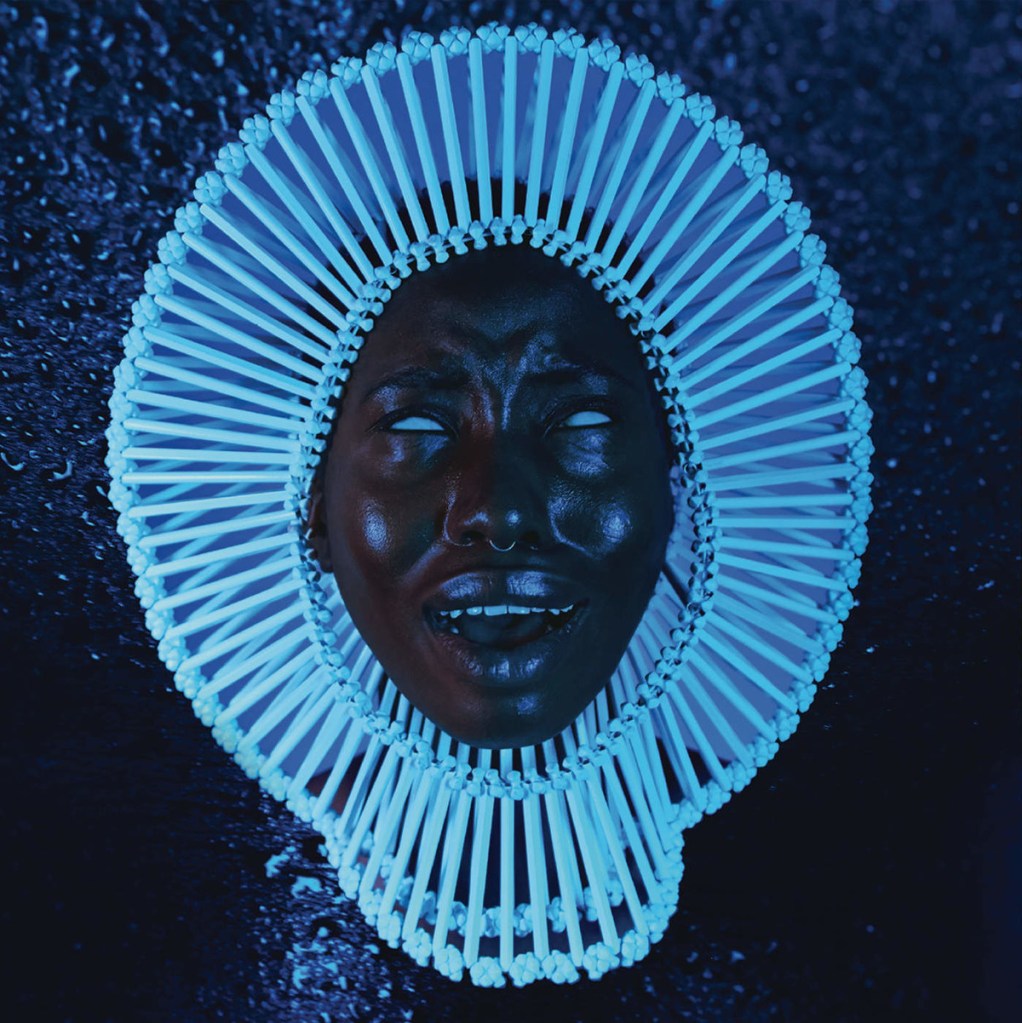
Childish Gambino’s song ‘Me and Your Mama’ is another example of unexpected frisson, however, he approaches it from the opposite direction, choosing to guide us along a fall from grace. From the track’s opening we are met with the delicate, twinkling sound of a synthesiser that promises us shelter within a peaceful sanctuary. Just a few seconds later the innocent sound of a choir begins to harmonise in the foreground, beckoning us closer to this place of comfort . Everything is set up to suggest this track will provide a moment of bliss and in doing so we as the listener, slump down in relaxation and foolishly take our guard down. Gambino has us exactly where he wants.

After two minutes of divine instrumentation, an electrifying bass guitar unapologetically rips the door down and drags us off our seat in an act of unhinged chaos. Called into action by a demonic chuckle – as Glover quite literally begins to laugh at us – the bass kicks things into gear, whipping up the rest of the instruments into a wild frenzy. Gambino’s vocals take on a gravelly texture as he purposefully strains his voice to the extreme and mirrors the untamed demeanour of the instrumental. The choir from before takes on a new characteristic as their tone deepens and follows after the bass’s grittiness. Within the opening moments Gambino seduces us with a picturesque, sonic oasis, only to construct a foreboding wall of sound that blinds us to this promised land. The musical equivalent of a jump scare, ‘Me and Your Mama’ is a great example of how artists use frisson to shock us into life and send those aesthetic chills throughout our body.

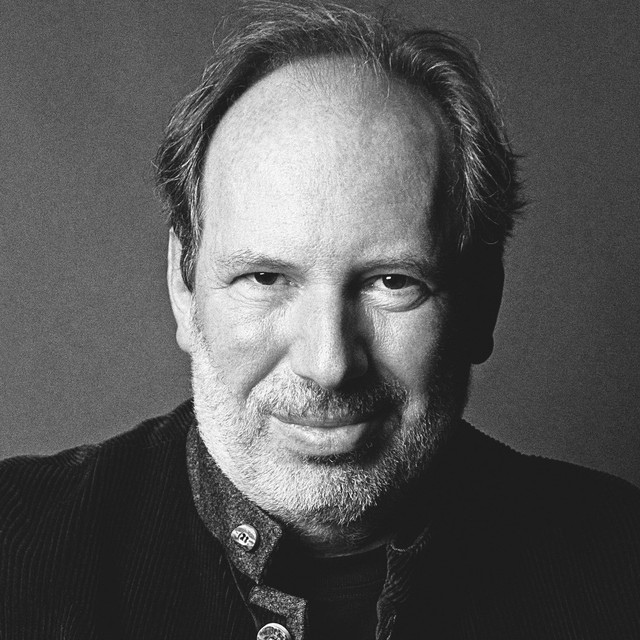
One genre which is frequently associated with the sensation of frisson is orchestral music, mainly due to its capacity to take the listener on a journey of expression and evoke an emotional response within them. The master of this within the contemporary scene has to be Hans Zimmer. Known for his epic scores, I could pick a multitude to discuss here, but for me one in particular stands out. ‘Oogway Ascends’ from ‘Kung Fu Panda’. Yes, that’s right. A movie about a panda learning kung fu has one of the best scores to ever grace the world of music. Zimmer’s craft here is awe-inspiring. Beginning the piece with the solitary elegance of an erhu, he proceeds to build towards a majestic crescendo augmented by strings and crashing symbols. Surging upwards from a moment of clarity, Zimmer provides a meditative experience that disheartens, consoles, and motivates all in one deft movement. With everything in its right place, Zimmer manages to mirror the emotions of a cartoon panda onto the audience, creating an experience that is way too emotionally fraught for a Disney movie.

Now I hope some of this waffle has made sense and I’ve encouraged you to immerse yourself within music a bit more. I could go on and on about certain moments that send chills through my body, so here’s a playlist by Spotify instead that condenses them all down, because sometimes things are best left unexplained.

Whole Lotta Red: Considered Chaos

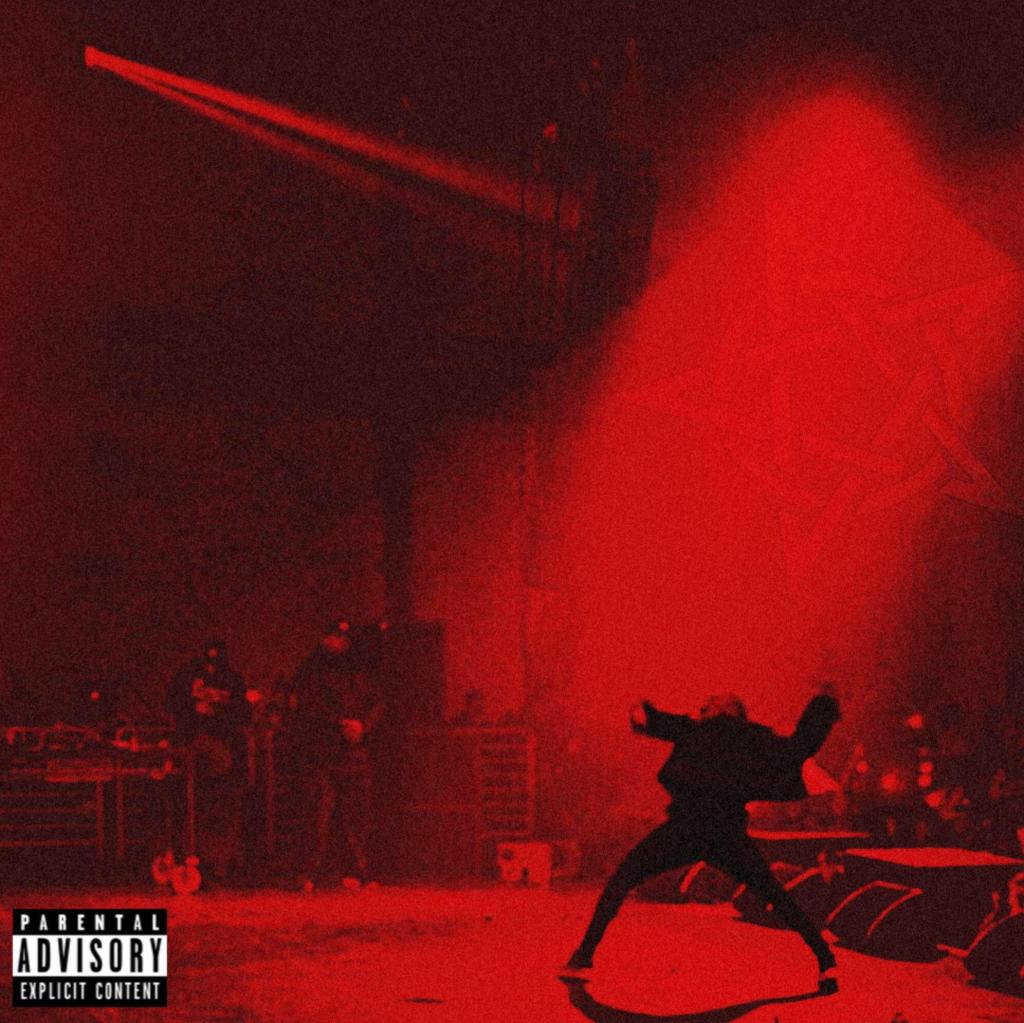
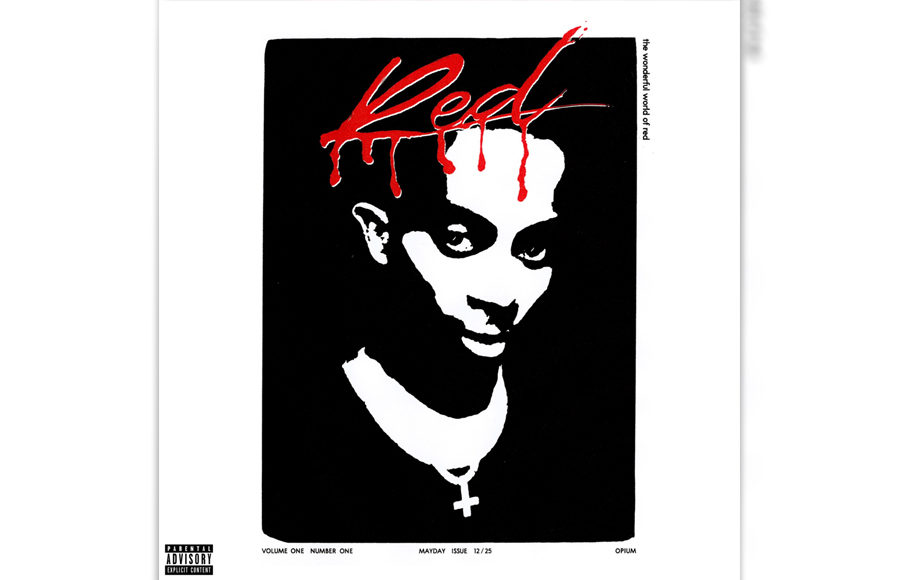
Amidst elusive appearances and promising leaks Playboi Carti’s third studio album ‘Whole Lotta Red’ seemed destined for greatness, and his loyal fanbase expected a masterpiece. His previous two albums, ‘Die Lit’ and the self-titled ‘Playboi Carti’ pioneered a unique, almost psychedelic style of trap music, so when WLR dropped on Christmas Day 2020, Carti listeners were left bemused. The infantile vocals and bouncy rhythms he had become famous for had been abandoned. In their place we find abrasive electronics layered upon punk inspired instrumentals and strained vocals you find at the end of a Metallica concert. It was dark, abrasive and not what fans expected at all.

Wave after wave of critical opinions appeared upon social media, with some people being underwhelmed by the project and others shocked by the coarse aesthetic Carti had landed upon. Various accounts began titling the album ‘Whole Lotta Skips’, and at the time I had to agree. This new direction Carti had taken his sound was too much, there were certainly some good tracks, yet they seemed lost within a sea of vampire themed vocals and ruthless half trap half rock beats. It wasn’t received well upon people’s first listens, with music enthusiast Anthony Fantano giving the record a decent five. However, within his review he suggested the album could create an 808s and Heartbreaks type moment, in which, with time, people learn to disregard the production as messy, instead labelling it as experimental and refreshing. And this exact reaction ensued in the coming months. As more and more people returned to the album, opinions changed and Carti’s masterpiece was unearthed.

Suddenly the brutal sound of the opening track ‘Stop Breathing’ was music to fans’ ears. This was an album made to be blasted out a car speaker at full volume, it was a new Carti who was frighteningly unapologetic, and people began to appreciate him for it. Carti takes an endless supply of bright and serrated beats and packs them together, end on end, so that the album careens wildly towards an exciting and unknown destination. This new direction is characterised by the feeling of non-conformity, which initially turned so many listeners away. Instead of expected structure we get pure chaos. Entire verses transform into almost blood curdling chants, like those upon ‘On That Time’, in which Carti continuously screams “D-R-A-C-O”. Then there is the skull rattling beat of ‘Stop Breathing’ where Carti works up these exhausted vocals as if he is at the end of a set. This coupled with the immense energy of the production, results in a record that constantly keeps you on the edge of your seat.

For many the standout track is the humorous ‘Vamp Anthem’. Totally unique in its style, the song samples composer, Johann Sebastian Bach’s piece ‘Toccata and Fuge in D Minor’ creating this twisted, trap take on Gothic organ music. Lyrics like: “You come ’round by my gang, we gon’ let them bullets fly”, fill the track with references to Carti’s reckless lifestyle, and support the hectic energy of the song. With a two-minute run time it encompasses the vampiric aesthetic displayed throughout the album and highlights the zany ideas at the records core.

As the album progresses into its closing segments the electronic sounds alter into those more atypical with Carti’s iconic style. The three-track run of ‘Sky’, ‘Over’ and ‘ILoveUIHateU’ are typified by ethereal synths, snappy trap drums and of course Carti’s trademark vocals. They are all closer to the classic Carti sound and remind us he is still capable of the catchy, spacey beats we know and love.

It is very rare to get an album that is so ahead of its time that it is initially disregarded entirely. Kanye did it with 808s, Pink Floyd did it with ‘The Wall’, and now Carti has done the same with ‘Whole Lotta Red’. Its progressive and drastically ambitious with its ideas, making it one of the most exciting projects of recent time. I urge you, if you haven’t already, give it one more listen.

The Rise of Bedroom Pop

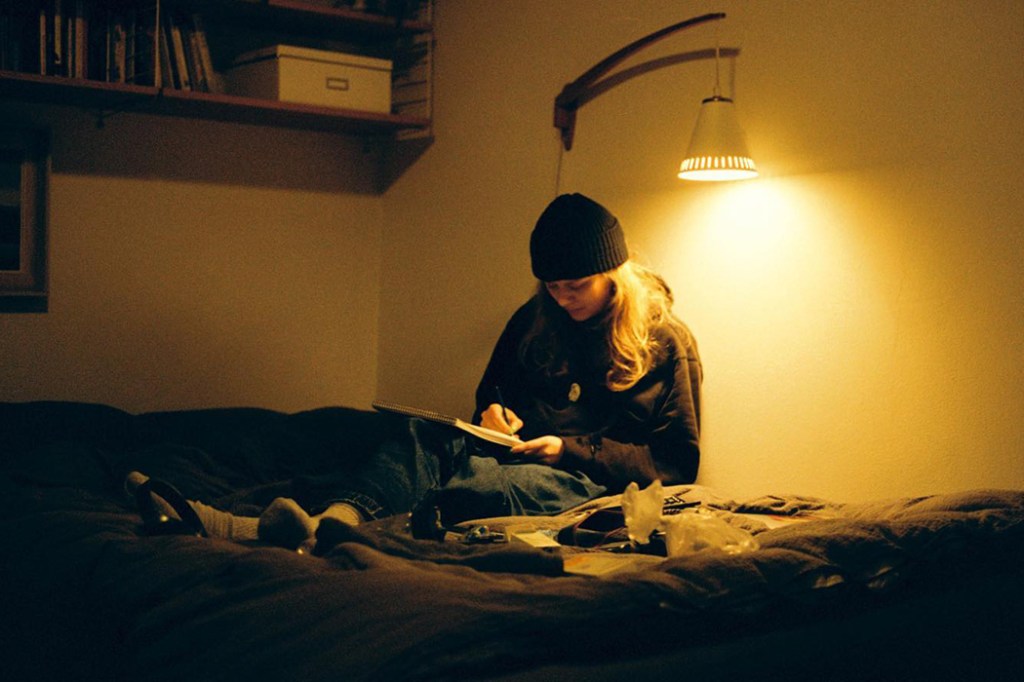
Birthed from a heady mix of Gen Z angst and increased access to cheap yet professional music software, Bedroom Pop is quickly becoming one of the decade’s most exciting genres. With a meteoric rise to fame, for all the right reasons, it is a fascinating genre which has somehow found itself being characterised by place rather than sound. Diverse in nature, its artists come from varied cultural backgrounds and take inspiration from a plethora of genres. From the offbeat synth leads of shoegaze to the nostalgic fuzziness of lo-fi, Bedroom Pop mixes a variety of sonic themes together, resulting in a refreshing and ultimately reassuring approach to modern day pop. Constructed within the comforting realm of the bedroom, Bedroom Pop has pushed out against the boundaries of the music industry without ever leaving the room.

Central to the genre’s popularity is the highly accessible DIY aesthetic that shines through within many of its tracks. Emerging singer-songwriter mxmtoon declared in an interview with NBC that:

Anyone can make music, and I think that is the idea behind bedroom pop

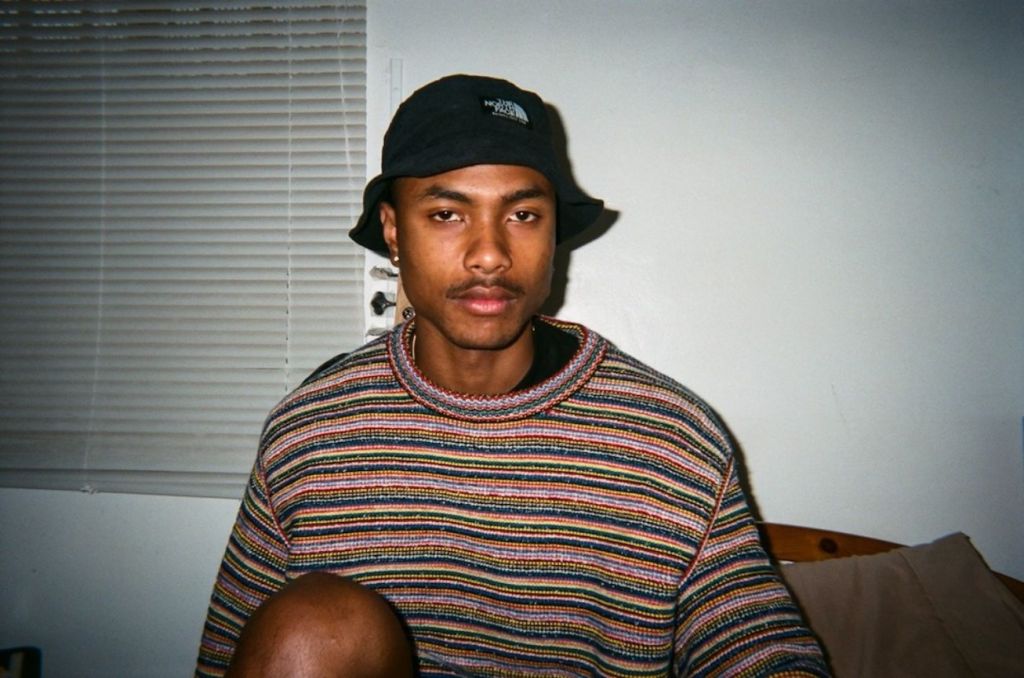
With more and more high-quality music production programmes being created anyone with a laptop can try their hand at the genre, resulting in a surge of innovative yet simplistic beats. In an industry which is increasingly controlled by corporate labels, Bedroom Pop fights back, encouraging creative expression over diluted chart toppers. For angsty teenagers the bedroom has always felt like a sanctum from the cruel world and this feeling resonates within the genre. Predominately existing on the fringes of the music world, artists find immense freedom within the safety of their own bedroom. With just a laptop and their thoughts, we see musicians become vastly intimate within their songs. Emotional barriers are naturally deconstructed within our bedrooms, it’s a safe space where the mind often wonders to more sensitive topics. The likes of Steve Lacy and Current Joys explore complex themes of adolescent confusion and emotional strife, something which their younger audience can strongly relate to. It doesn’t only sound like a genre anyone can make, it’s a genre anyone can sing along to.

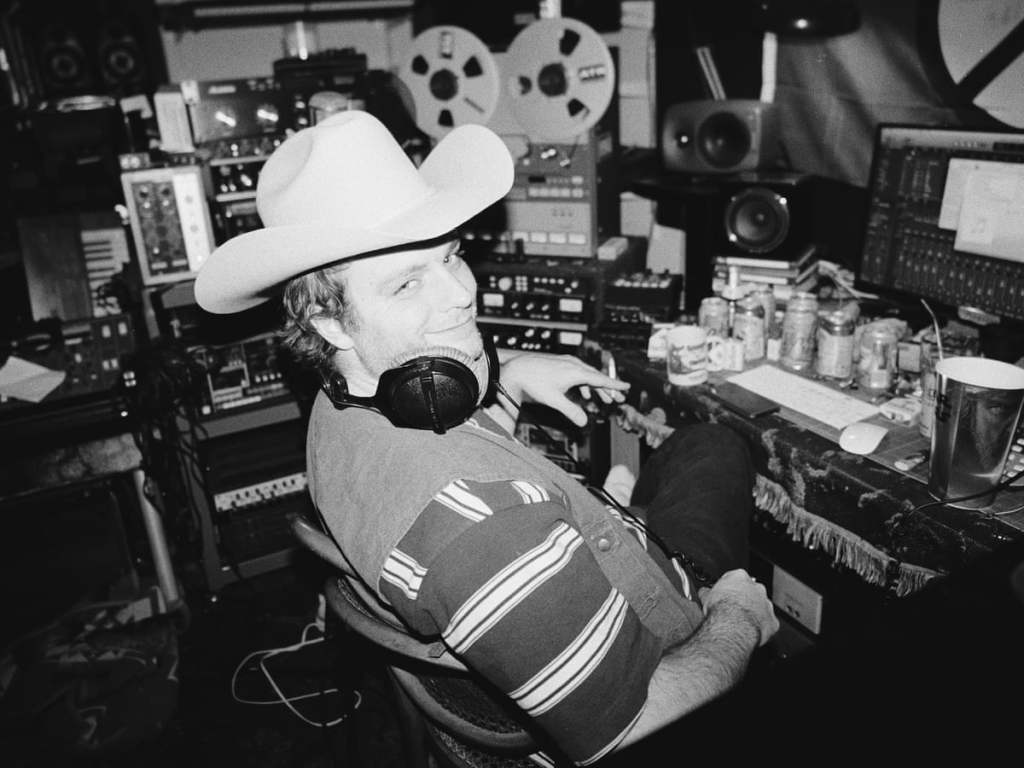
Because of the genres inherit accessibility it has resulted in an incredibly diverse cast of artists who serve as a poignant example of Bedroom Pop’s unwavering creativity. Each with their own inspiration and ideas, individuals within the genre have curated whimsical, comforting sounds, each unique to their personality. Perhaps pioneering this style was the indie culture icon, MacDemarco. Adhering to the philosophy that less is more he uses striped back minimalist instrumentals, and soft vocals to create a dream like atmosphere. One of the genre’s most popular figures, Sven Gamsky, known by Still Woozy, clearly takes influence from Mac’s spacey minimalism, yet injects it with his own psychedelic approach. Bouncy synths and distorted guitar solos work alongside his strained, weary vocals to fashion a transcendental sound that leaves you staring off into the distance. Then you have the likes of Rex Orange County who seamlessly mixes the likes of Hip-Hop, Jazz and Soul to incredible success. All these different influences result in an ever-changing tone that’s always different but still reassuringly similar, with a woozy, introverted sound that wraps your ear drums like a cashmere throw. Yet if you listen just a little closer, you’ll find that Bedroom Pop very often wears its feelings boldly upon its sleeve.

More than ever, the distance between creator and consumer is immeasurable, with artists existing as inaccessible figures within the far-off realm of pop culture. However, Bedroom Pop has drastically reduced this disparity, deconstructing the celebrity figure into the everyday individual, in turn exaggerating the theme of intimacy. Often posting their tracks to YouTube first, artists can instantaneously go from obscurity to fame. Clairo’s hit single ‘Pretty Girl’ is the perfect example of this straightforward approach to music publising. Uploaded to YouTube when she was just 18 the track epitomises the genres brutally honest topics, as she openly explores a past relationship in which she felt the need to “be the perfect girl for another person”. Recorded in the humble setting of her own bedroom, using nothing more than the camera on her laptop, the music video is beautifully simple, directly mirroring those innocent iMovie’s we all at some point forced our parents to watch. Clairo shows us exactly who she is, and tells us exactly how she is feeling, nothing is held back across the tracks three-minute runtime. In being so raw both lyrically and stylistically Clairo had already fashioned an authentic anthem to be enjoyed by the younger generation, however in choosing to initially upload to YouTube she further deconstructed any potential distance between listener and artist. Anyone can post to YouTube and anyone can watch something on YouTube, so Clairo consciously portrays herself as nothing more than that; she both is the everyday and experiences the everyday. She’s not trying to be a celebrity superstar; she’s just being herself and that’s what made ‘Pretty Girl’ so popular, the listener can just as easily picture themselves up upon the screen. The accessible lyrics and authentic videos of Bedroom Pop have danced around corporate control thanks to the help of platforms like YouTube, resulting in one of the most intimate genres to date which is totally free to quietly discuss some of life’s more sensitive topics.

With artists from a variety of cultural backgrounds, there is an excellent representation of minority groups within the genre who have taken advantage of the liberty YouTube offers and infused their own identities within their music. One artist who has taken advantage of this creative freedom is Marie Ulven Ringheim, better known as ‘girl in red’. Skirting around potential gatekeepers by originally posting to Soundcloud and subverting label restrictions, she openly discusses themes of queerness on tracks like ‘girls’ and ‘i wanna be your girlfriend’, quickly becoming an important LGBTQ figure in the music industry. The latter track was recorded in her bedroom and posted straight to YouTube in 2018, and since it has amassed 120 million streams on Spotify and acted as a cathartic anthem for so many teens struggling with their own sexuality. Ulven and others have transformed the bedroom into a place of liberation for minority groups. Artists can create a conversation with their audience, one which encourages differences and reassures the listener that they aren’t alone in their struggle, ultimately resulting in a refreshingly conscious approach to music that has seen the genre become immensely popular.

Upon first listen Bedroom Pop is a never ending starry horizon of soothing vocals and dreamy jams, but upon further inspection it becomes so much more than that. Made up of a new guard of innovative, exciting individuals it’s a subtly rebellious genre that quietly stands up for its own interests and constantly pushes the boundaries of what can be achieved from the most personal room in the house.

It also happens to sound really fucking cool so here’s a playlist to set you on your way.