Lana Del Rey: Romanticising the Unromantic

One of my favourite quotes comes from actor, Ethan Hawke, being asked “Do you think human creativity matters?”. His response reads:

Most people don’t spend a lot of time thinking about poetry. Right? They have a life to live, and they’re not really that concerned with Allen Ginsberg’s poems or anybody’s poems until their father dies, they go to a funeral, you lose a child, somebody breaks your heart, they don’t love you anymore, and all of a sudden, you’re desperate for making sense out of this life, and, ‘Has anybody ever felt this bad before? How did they come out of this cloud?’ … ‘What is happening to me?’ … And that’s when art’s not a luxury, it’s actually sustenance. We need it.

This singular quote changed my entire perspective on how I see the world, and in this case, music. It’s such a sentiment that I think underlines Lana Del Rey’s ethos as a musician. I remember when I first listened to her discography, I thought to myself ‘Why would anyone ever want to listen to anything this dreary?’. In light of Hawke’s insight, I have begun to read Lana’s sound in an entirely new way. Her music is to be applied to your own situation, make sense of whatever struggle you have, and guide your hand through the fire and out the other side unscathed. In Hawke’s words “it’s actually sustenance”.
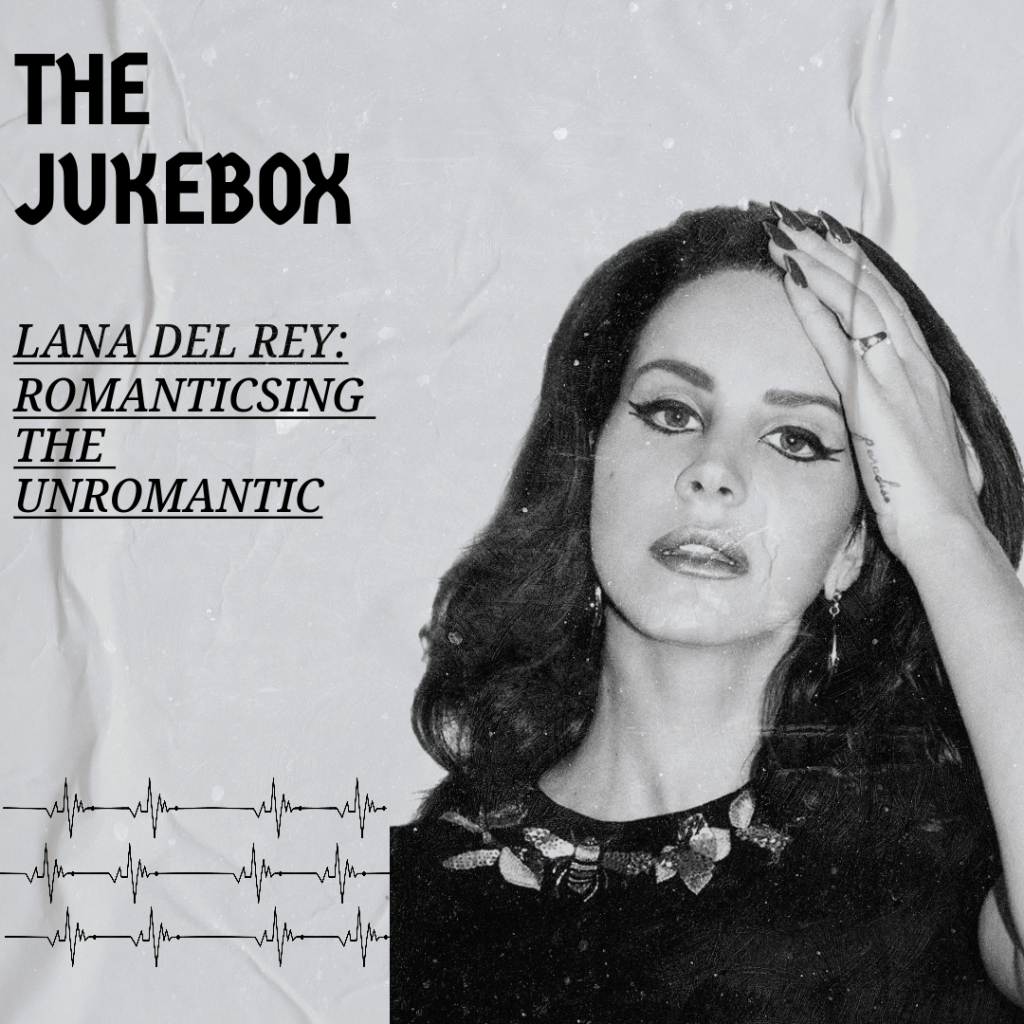
The creation of singer songwriter, Lizzy Grant, known professionally as Lana Del Rey, so often harnesses her emotional trauma in her music, boldly tackling extremely difficult topics such as substance abuse, toxic relationships, physical abuse and submissive naivety. A heady cocktail of sadness that many understandably choose to avoid, Del Rey continues to bravely speak her harrowing truths, wear her heart on her sleeve and explore the realities that so many experience and too few have the courage to broadcast to the masses. Being a unique figure in the music industry, Del Rey is utterly, desperately alone; exempt from any particular musical scene, void of any impersonators and resistant to imitation. This loneliness underpins so much of her sound, yet is oftentimes shockingly romanticised. From the moment her name leaves your mouth, Lana Del Rey has curated her own luxurious aesthetic that musters up visions of lavish ballrooms, opulent colour, and affluent old-money appeal. From her appearance on the ‘Great Gatsby’ soundtrack, to her muse being portrayed on the front cover of Vogue, her image screams success; yet her voice mutters in quiet desperation.

Through her tragically beautiful chords, time and time again Del Rey’s  fluttering, ornate instrumentations have perked the ears of millions, whilst her melancholy vocals have touched the hearts of those adrift. This dichotomy of sound is at its most recognisable on Del Rey’s third studio album Ultraviolence. At her most vulnerable, Del Rey taps into her loneliness and proceeds to suck it dry. The overarching feeling is a sense of seediness, desperation, and a hyper-romanticised focus on brutal isolation and loss. All these themes are blown up to gigantic proportions as Lana rides the blue crest of sadness across the album’s entire runtime. Wholly blending the romantic with the unromantic is the album’s title track ‘Ultraviolence’. An orchestra of hopeful strings thrusts us into a regal amphitheatre of blind romance, whilst the supporting piano chords and buoyant bass guitar add the final flourishes to an instrumentation fit for an angel. The reality, however, is that this instrumentation merely clothes the devil in a new dress, serving as a façade to a song in which love and physical abuse are intertwined. Scattered throughout the track is Lana’s trademark iconography in which love takes on an ugly face, through terrifying utterances like “He hit me and it felt like a kiss” and “Give me all of that ultraviolence”. The harsh reality of abuse is right there front and centre. Yet, blinded by the beautiful soundscape Del Rey creates, the lines of love and violence somehow blur for us just as much as they did for her, causing the “sirens” to sound like “violins”.
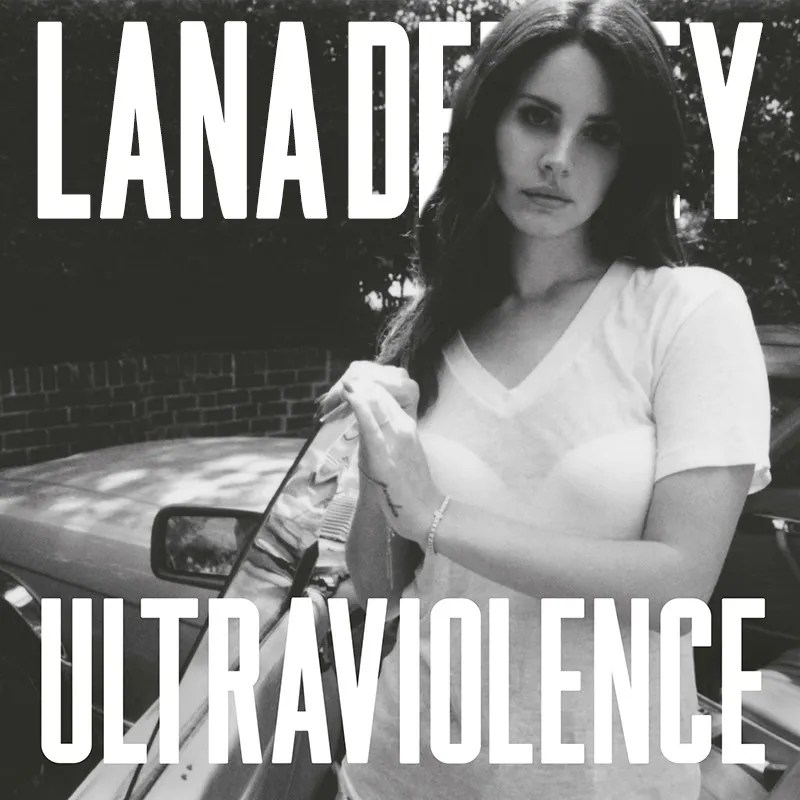
Her songs are slow and atmospheric, filled with theatrical melancholy, encompassing familiar themes of women in trouble due to their yearning for abusive men who remain, somehow, toxically irresistible. Off the same album, the track ‘Sad Girl’ further enforces this sonic philosophy as Del Rey acknowledges her own willing subservience at being the “mistress on the side” despite longing for something more. As the song progresses, her initial stubbornness wears away as she reveals to the listener that no matter how much she tries to see this relationship in a positive light, this setup will forever make her a “sad girl”. Such a declaration creates the structure for the chorus, as Lana repetitively hurls this self-flagellation into the ether, emphasising her anguish and engulfing the song in her craving for something real. All the while, Del Rey maintains one cutting line throughout; “But you haven’t seen my man”. Somehow within this mixing pot of sorrow, for me that line holds the most purpose. It negates all of Del Rey’s self-recognition, as even when presented with all the facts, she will still justify being the “mistress” and remain under her man’s irresistible spell casted through his physical allure. 
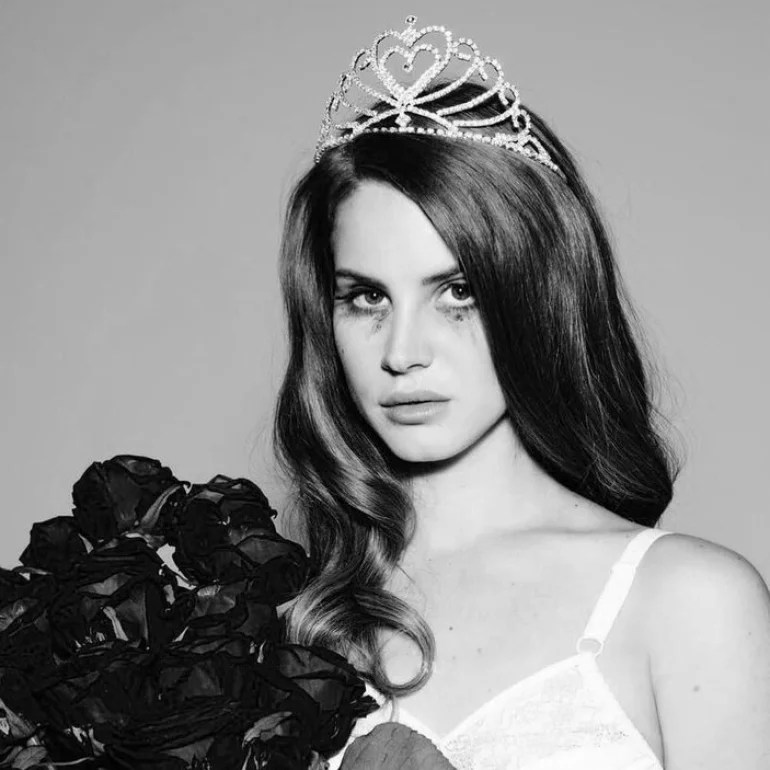
Off her critically acclaimed album Norman Fucking Rockwell, ‘Cinnamon Girl’ is another deep dive into Del Rey’s experiences with love, as she painstakingly yearns for an end to her damaging history with men, to such an extent that she fabricates a potential future with a present that was never even there. Once again, Del Rey plunges us into a theatre of idealistic romance with a seductive instrumentation, packed to the brim with melodic piano chords, an ensemble of violins, and Del Rey’s quintessential angelic tone as her voice becomes a beacon of hope. Every piece of the music works in perfect harmony to summon up a reality of unconditional love, a reality which Del Rey envisages.  The truth is less melodic, it’s abrasive, it’s dark; it’s unrequited love. From the offset, we are presented with an unbalanced relationship as the subject of Del Rey’s desires continually takes pills to push her away and keep her “at arm’s length”. Whether these pills are used to escape his problems, forget about Lana’s existence or simply scare her away, we don’t know, but she continually finds her “way back in” despite all the warning signs. As we enter the chorus, Del Rey reveals what she has been searching for all along and why she continually embarks on the long journey back to her supposed safe haven:

But if you hold me without hurting me,

You’ll be the first whoever did

These two lines encompass everything she has ever wanted – a passion for closeness, security and comfort – three things which run in contrast with her distant and cold reality at arm’s length. Prior to this declaration the line “There’s things I wanna talk about, but better not to give”, demonstrates her acceptance that she is unable to ask for this closeness. Out of a fear of encroaching on her partner’s freedom and an even larger anxiety of becoming a nuisance to his way of life, Del Rey bites her tongue and deprives herself of what she truly wants. Fearful of isolation and powerless to change anything, Del Rey remains within a stagnant relationship that will forever leave a bitter taste in her mouth – bringing a new meaning to Cinnamon Girl.

Del Rey frequently addresses the emotional suffering and manipulation at the core of so many of her experiences, and never holds back with her honesty. It’s heart-breaking. So why does it always sound so good? To hark back to Ethan Hawke’s quote, it’s sustenance. Music is a portal through which people can engage with and apply to their own situation, not just to validate their own feelings, but to begin to seek a way out of the darkness. Del Rey’s music certainly makes those who have shared similar experiences feel seen, and that undoubtedly helps to overcome those feelings of isolation, but the reason, I believe, Del Rey makes music is to spur on a positive change. Her glamorisation of depression and submissiveness (to name a few) forces people to engage with her songs, sing her choruses and no matter how subconsciously, consider their own experiences with the ubiquitous nature of relationships, both with ourselves and to others. The desperation for mutual connection runs consistently through her tracks and almost disturbs with its frequency and brutality. If listening to ‘Ultraviolence’, ‘Sad Girl’, or any other bleak Lana track, feels like looking into a mirror, then it forces us to look inward. She creates music to entice us into her web, where we are forced to question our own situation before her angelic falsettos cut viscerally into our very soul, warning us to stay any longer. 

With Lana’s tendency to dive headfirst into deeply disturbing and uncomfortable topics, you absolutely have to be willing to go with her and be open to uncovering the reality of her situation and perhaps in turn your very own. To have such misery reflected back at oneself should result in one thing – change.
Ceremony: From the fire a phoenix is born

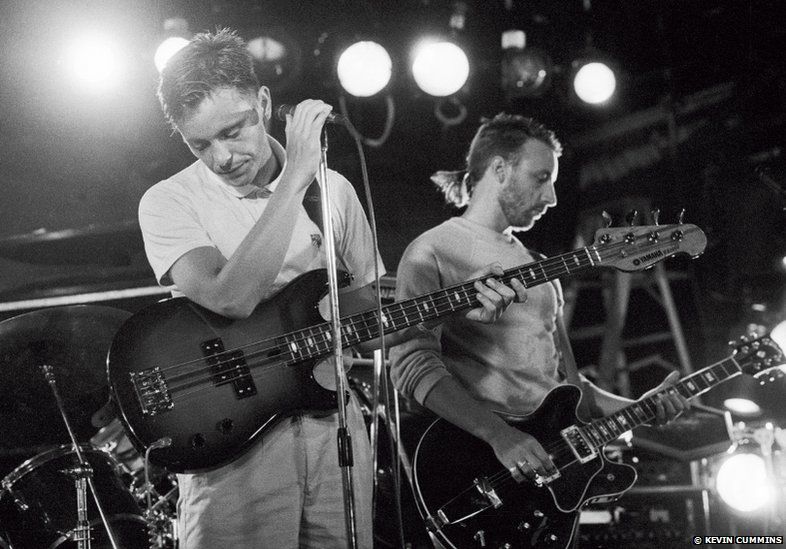
More often than not a song will incite some personal response within me, causing me to tumble down a rabbit hole of thoughts as I try apply the tracks messaging to the wider scope of life. Rarely however, I act on that instinct straight away, set up in front of my computer and let my fingers loose. New Order’s terrific ‘Ceremony’ however, did exactly that. Sometimes a song just finds you at the exact right time. Everything aligns, each punchy lyric hits harder than ever before, every pluck of a bass reverberates throughout your very being and you hit the repeat button time and time again. When this happens, you absolutely have to engage with that feeling.

It’s no secret that the sound of life is music. From the helplessly minute to the terrifyingly large, each shade of human emotion is portrayed in its own unique way, and in the words of John Keating from Dead Poets Society, this is because “The human race is filled with passion!”. New Order’s Ceremony is overflowing with raw, complex, relatable passion, a passion which is evident not only in Bernard Sumner’s vocal performance, but the track’s recognisable desperation to be seen and listened to. It wants people to relate, it wants people to consul it and say, ‘yes yes I know what you mean’. Phil Cunningham opens the track with the guitar’s equivalent of a cry for attention. Only 28 seconds in and he’s already seemingly wrestling with this emotional beast, as you can almost picture it writhing in his hands, begging to be let loose. It grabs your attention, not only with its mesmerising energy but its tragically recognisable desperation.

So where is all this desperation coming from? I think the answer is found both in the lyrics and the songs haunting backstory. Previously Joy Division, New Order are a band who begun because something ended. They fly, because someone fell. After just two albums, the mystical lead singer of Joy Division, Ian Curtis, tragically committed suicide having struggled with epilepsy. At just 23, his family lost him too soon, the world lost an absorbing talent, and Joy Division lost their identity. Questions for the band ran rampant; How could he be gone? What do we do now? Should we go on? Who would be the vocalist?

What do we do with Ceremony?

Before Curtis died, the band were working on Ceremony and Curtis was writing the lyrics. Frozen in time, the original track was never finished, as the true lyrics got lost into the void. To this day only 3 versions of Curtis’ edition remain, each as haunting as the last. Seemingly thrusting a desperate hand from the abyss, these versions eternally remain unfinished, unclear and ambiguous, yet you can’t help but feel that Curtis was trying to tell us something. One final ode to the world he operated within. The remaining band members simply couldn’t leave this desperate wish unfulfilled. Everyone needed closure.

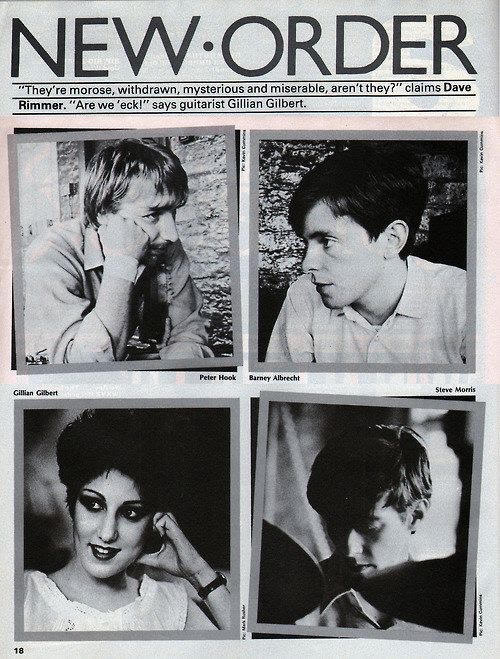
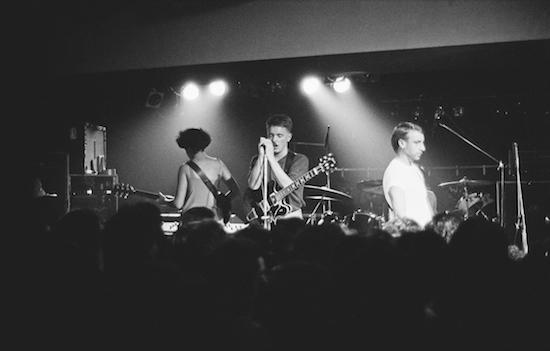
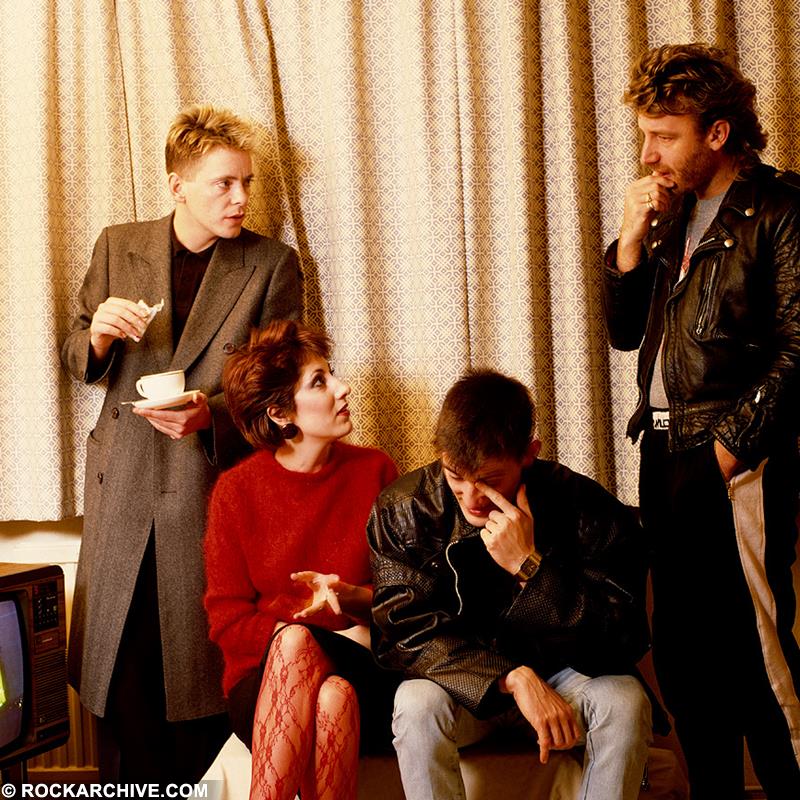
Metamorphosing into something wholly new but comfortingly similar, Joy Division restructured with Bernard Sumner stepping into the heavy shoes of lead vocalist, and Gillian Gilbert joining as keyboardist and guitarist, as Stephen Morris, Phil Cunningham, and Peter Hook remained in their existing roles. From the brink of extinction, New Order were born. It was perhaps fitting then their first release encompassed this notion that occasionally in life, the final note of a beautiful melody gracefully ends, paving the way for a symphony of new beginnings. Ceremony bridged the gap between what Joy Division had been and what New Order would become, it was about endings and subsequent beginnings.

The crushing lyrics and Curtis’ baritone howl had defined the band. But under the surface had always been a whole world of swirling synths, dancey disco-inspired beats, and melodic bass lines that would soon come to define the direction of New Order. From the fire came a phoenix, as Ceremony is not only dangerously upbeat, but more hopeful in its lyrical content, even when faced with such a harrowing past. They took something tragic, the death of a friend, and turned it into hope for the future. Up to Bernard Sumner to decipher Curtis’ lyrics from terrible audio recordings, the lyrics take a natural ambiguity, and that only plays into the tracks meaning even more. Nothing is certain within Ceremony. Is it sad? Is it happy? The song blurs the lines between emotional conventions. Just as events from our own lives blur the lines between tragedy and opportunity.

Heavily disputed on the internet, the lyrics suggest a number of possibilities – with the two most popular being that the track is about either a wedding or a funeral, both clear demonstrations of a ‘ceremony’. Two powerfully antithetical realities, such vague imagery is intended to intertwine and overlap so the track can become whatever you need it to be. It serves as an outlet of hope, or heartbreak, for your own situation, allowing your own ambiguous experience to be seen by another. With this messaging in mind, the opening lyrics read:

Notice whom for wheels are turning

Turn again and turn towards this time

For many, the song opens with the scene of a hearse snaking its way up towards the cemetery gates. Inch by inch the wheels ‘turn again’, as ‘this time’ it is the narrator’s partner’s time to leave. Their time has come to move on, and the wheels of change turn for them. Later on, the line “Avenues all lined with trees”, further reinforces this scene of a funeral procession moving towards their destination. The metaphorical nail in the coffin soon follows as Sumner, with his unwavering acceptance of life’s vicissitudes, utters the line “Picture me when you start watching”. Such a line achingly conveys the profound desire of the grieving lover that their departed soulmate continually pictures their muse as they watch down from above in their next chapter. A heart-wrenching request which brings the shattering reality of loss under the spotlight, whilst simultaneously working as a testament to the possibility of an eternal connection that transcends the bounds of mortality, as both the bereaved and deceased stand by “Forever watching love grow”. Equal parts tragic and hopeful, the double-edged nature of Ceremony demonstrates an understanding that these events are part of life, no matter how much they scar us, and must happen for new experiences and growth to stand in their place.

This poignant message is emphasised further, by viewing the track through an alternate lens. To focus on the same opening passage, the wheels turning could also allude to a much-needed change happening in someone’s life. After harbouring so much hope for a positive future, for so long, at last, the wheels of change are moving, as “this time” the individual’s efforts will be rewarded. Throughout the track, the phrase “this time” is repeated, suggesting that the narrator has tried tirelessly to achieve a certain outcome, and it’s within this very moment that their efforts finally accumulate into everything they ever dreamed of. Some have read the track as being an ode to the complexities and longing for love, with one passage hammering home our determination to express and receive love:

Oh, I’ll break them down, no mercy shown

Heaven knows, it’s got to be this time

Personally, I don’t see the wedding imagery some people do; however, these two lines certainly convey a recognisable resilience to pursue love, despite the prior hardships faced. The clause “it’s got to be this time” suggests a steadfast resoluteness to express oneself to the person they love the most, even if they’ve done it before, even if they’ve failed before, this time it will be different, “heaven knows” this time love will finally be found. Maybe the narrator has listened to their romantic interest’s needs, perhaps they have banished their inner demons, maybe they have just tried so many times their partner to-be has simply been ground down to settling for them. Nobody will ever truly know. But what we as the listener can see, is a door close, and another one open. The icy existence of solitude has melted away, beckoning in a warmer present, co-inhabited by two individuals, stood side-by-side “Forever watching love grow”.

Ceremony isn’t saccharin sweet; it operates within the confusing, ever-changing realm of life. Off the back of Curtis’ death, the remaining band members were forced to look inward, do they buckle under the weight of tragedy, or come to the understanding that not all closed doors result in the end of the road. Stemming from the track’s flexible ambiguity, there’s a happiness to Ceremony which derives from the knowledge that all good things must come to an end, in order for something better to stand in their place. We are reminded that life isn’t as black and white as we perhaps hope it to be sometimes, and it’s down to us as the consumer of life’s experiences to seek out the endless shades of grey which float in the middle. They may seem ambiguous and elusive to us now, but the more we focus our gaze, the more we see the black in the white, the white in the black, and a spectrum of hope, rage, suffering, and tranquillity in-between.

It’s songs like Ceremony that scream out into the world, pleading to be listened to. Answer the call. You will find something in return.

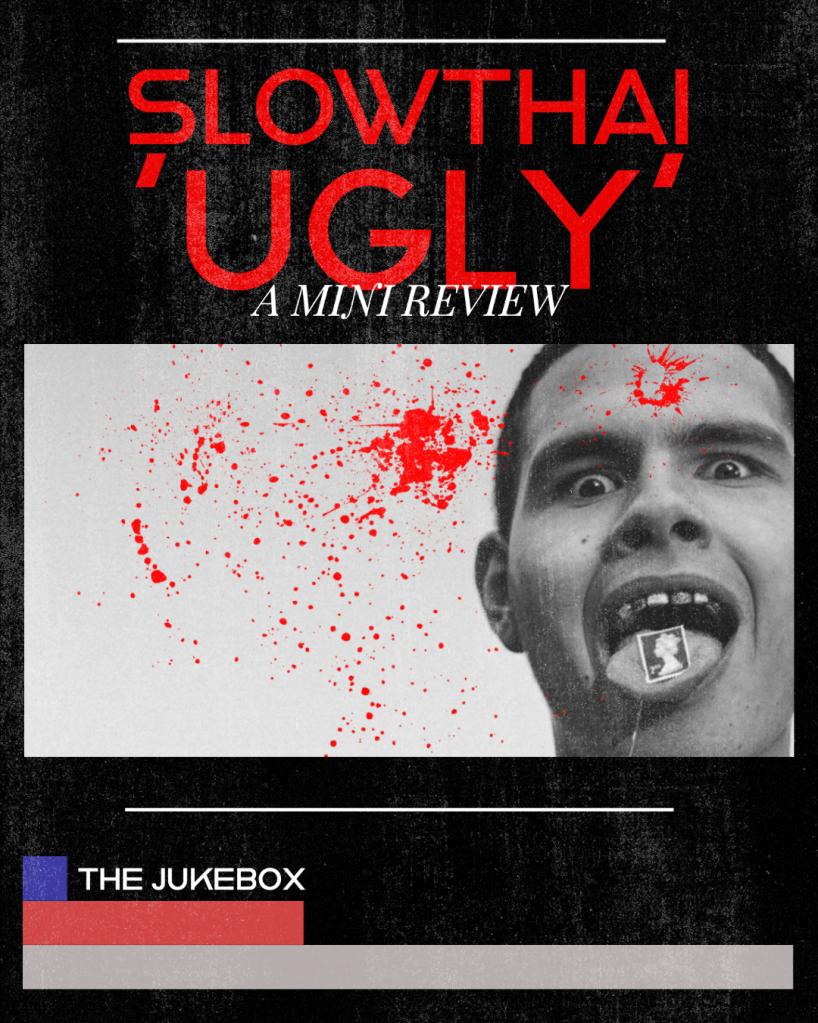
Slowthai ‘Ugly’ – A mini-review

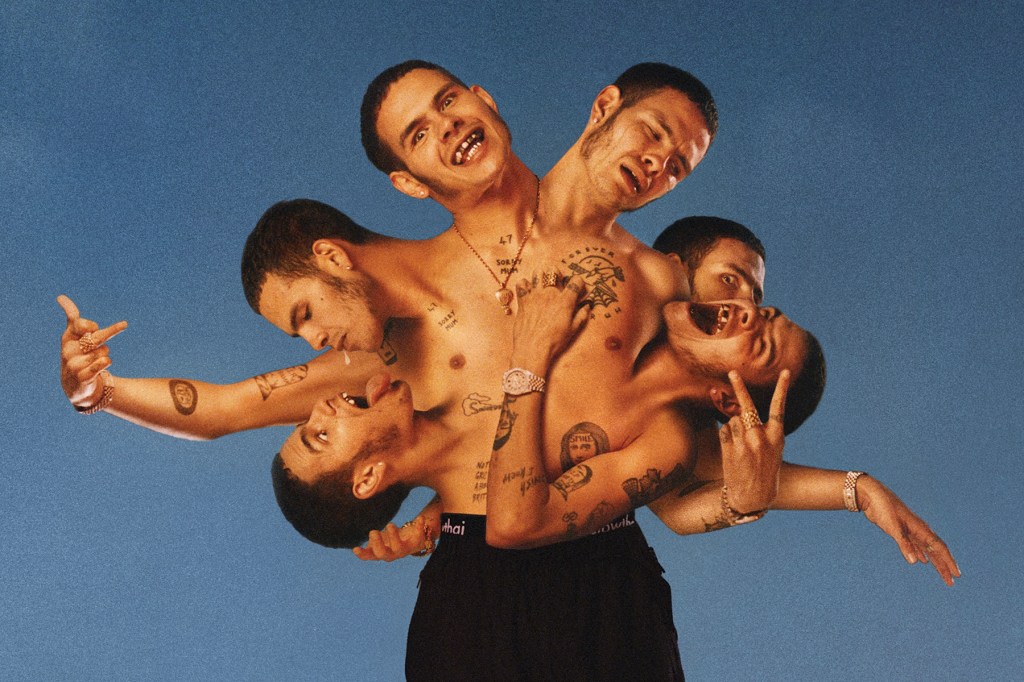
As anticipation continued to grow for Slowthai’s (Tyron Frampton) third album ‘Ugly’ upon social media I found myself, for the first time in a while, genuinely excited about a release date. As a long-time fan of his, I was not disappointed. However, after a quick search around the internet for other’s opinions, I found, to my disbelief, that some were. One review in particular from Pitchfork stated that  ‘Ugly’ “trades rapping and electronic beats for ballads and rage rock. The results are largely underwhelming.” I’m sorry, but if that’s what you took away from the album, then you’ve totally missed the point of what Slowthai stands for. It’s not an out and out swap of style, nor is it an approach to music that should come as much of a surprise if you’ve been following his journey closely. Throughout his career, Ty has been renowned for plucking from a wealth of music influences, Punk and Rage Rock being two prominent forces, meaning that he has never found himself cemented in one singular sound. Rather he bounces from one genre to the next, like a butterfly orbiting a selection of bountiful flowers, sampling each taste, before fluttering into the air to flaunt its beauty in a dramatic, irresistible, mesmerising dance. For Slowthai, ‘Ugly’ is his chance to catch our eye, fuse his passions and dance the night away.

In today’s music industry, I somewhat feel that, especially within popular music, we expect artists to remain within a comfort zone from which they found initial fame. We appear to praise music that’s the ‘same but different’ rather than something entirely unique and daring, which is where true value is found. It was this criticism of ‘Ugly’ that made me realise perhaps people prefer music made by robots; repetitive tracks which refuse to push the boat out and happily stay within their thickly padded comfort zone of routine and previous success. Those who dare step out from the shadows get smacked by aggressive review bombing, visceral tweetstorms and cutting prose from critics sat high upon their ivory towers. Slowthai dared to go against the current and, in my eyes, he succeeded.

Really it’s no surprise that Ty tried something new with ‘Ugly’. For those that have followed his career closely, we have been lucky enough to witness him break out from any genre constraints media outlets have attempted to push. By utilising his bank of music influences, Ty meticulously layers a range of sounds that inspire him. The 28-year-old rapper-slash-rockstar has always spat out caustically witty bars over abrasive beats that blend a plethora of genres from Grime, Trap and Soundcloud rap to the far reaches of Punk and Screamo. In an interview with Noisey back in 2018, Ty shone a light on some of his influences which have resulted in his own unique sound. During his childhood, Ty adored The Street’s ‘A Grand Don’t Come For Free’, a witty album which explores the reality of British life through Punk and Electro influences. Sound familiar? The more you listen to Slowthai’s discography, the more the Street’s effects are evident. Other key artists he mentions as being pivotal to his own growth cover a wonderful spectrum of sounds, from his obscure obsession with Daniel Johnstone (the guy that wrote ‘Casper the Friendly Ghost’) and interest in hard-hitting Gabba music, one of the most standout is his affinity for Radiohead, particularly their track ‘Karma Police’. With ‘Ugly’ in mind and its powerful ballad style moments, similar to those crafted by Radiohead, it’s clear to see that Ty has taken some of his favourite aspects from his most beloved tracks, and distilled them into his own style.

As previously explored, ‘Ugly’ is an album that doesn’t adhere to the mainstream, it has been conceived out of a music lover’s deep dives into the backlogs of music history, however, the album isn’t a sheep. Ty doesn’t imitate but rather he offers his own interpretation on a variety of sounds. ‘Ugly’ carves out its own messy yet vital domain; it’s a celebration of sound. A warts-and-all reckoning, the album opens on ‘Yum’, with lyrics that lean towards the positive personal affirmations that now proliferate in pop, lines you could imagine being belted out over a big power-ballad chorus: “You are great, you are good, you’re a king, you’re a queen, you’re a genius.” Yet it soon takes a swift turn into a disturbing, visceral electronic storm as Ty lists everything that’s pumping through his system: “More coke / More weed / More E’s / More trips”. Opening with a perfect storm of his many influences, Slowthai is preparing us for this genre-bending journey. Later in the album on ‘Never Again’ we hear Slowthai flip the switch back again; gone is the screaming tortured soul, and in its place emerges a beautifully soft and intimate side harmonising to a delicately plucked guitar. He’s equally capable at slowing down the pace as he is at going pedal to the metal. The chorus spotlights his capacity for vulnerability:

Still got pictures on my phone,

I still sleep on your side of the bed,

I reflect on things I should forget,

The things I should of said, I wish I did

This is a man who lets himself be fragile, and openly contemplate over a lost relationship he still yearns for. He couldn’t seem more distant from the one who shoves “coke” “weed” and “E’s” into his system to forget. It’s this ability to flutter between two extremes that makes Ty such an exciting artist, and he owes a big part of this talent to his eclectic music taste which inspires his creativity.

Never Again’s snare-heavy pattern is an inch away from a drum’n’bass break, almost as if Ty struggles to stay within one genre, instead pushing the boundaries of his own song in an attempt to break out into something different. ‘Selfish’ and ‘Falling’ dip back into those Punk influences which he loves to exercise so much, and has done previously on his 2018 hit ‘Doorman’. On ‘Falling’, a crashing drum rhythm makes the volume scale creep higher, along with Ty’s screeching vocals that sound less like a vocalist and more like someone singing along to the radio after a few drinks. It’s awfully human and wonderfully unforgiving. ‘Sooner’ opens with a happy-go-lucky guitar riff that you’d expect on a mediocre alt-rock album, as he then explores what it means to live solely by your own rules and how he wishes he had that realisation sooner. 

In this exploration we see Slowthai, yet again, retell his stories of life on society’s fringes and tackle themes of self-deprecation, anxiety and mental health crises on a track that wouldn’t look out of place on the pop charts. Ultimately, across ‘Ugly’s’ tracklist, he cherry picks elements from his favourite genres, albums and artists, yet continually adds his own idiosyncrasies. It would be easy to call ‘Ugly’ Slowthai’s alt-rock album. You can see why people could get that idea – ‘Happy’s’ string-bending distorted guitar and the screamed vocals at the end of ‘Falling’ both recall the Pixies; ‘Sooner’ opens with a breezy rhythm not unlike that of the Strokes’ ‘Last Nite’ – but that feels reductive. Take the title track, with its glowering clouds of synthesiser and woozy guitars, its gradual ratcheting of tension as Slowthai switches from singing to rapping, its singalong chorus bolstered by voices not really singing along so much as they are shrieking and bellowing: what alt-rock band sounds like this?

‘Ugly’ is its own creation. A happy catharsis of a plethora of music influences held together by an individual’s sonic curiosity and determination to try something new. An album by a music lover for music lovers.

8/10

Radiohead: The Sound of the Apocalypse

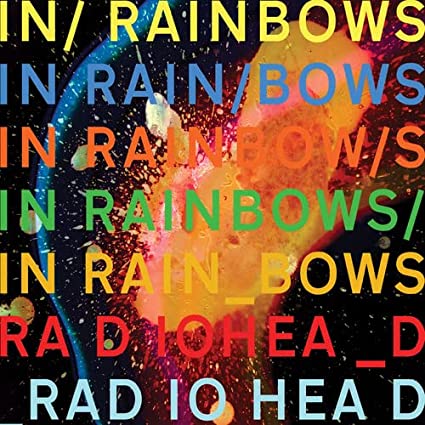
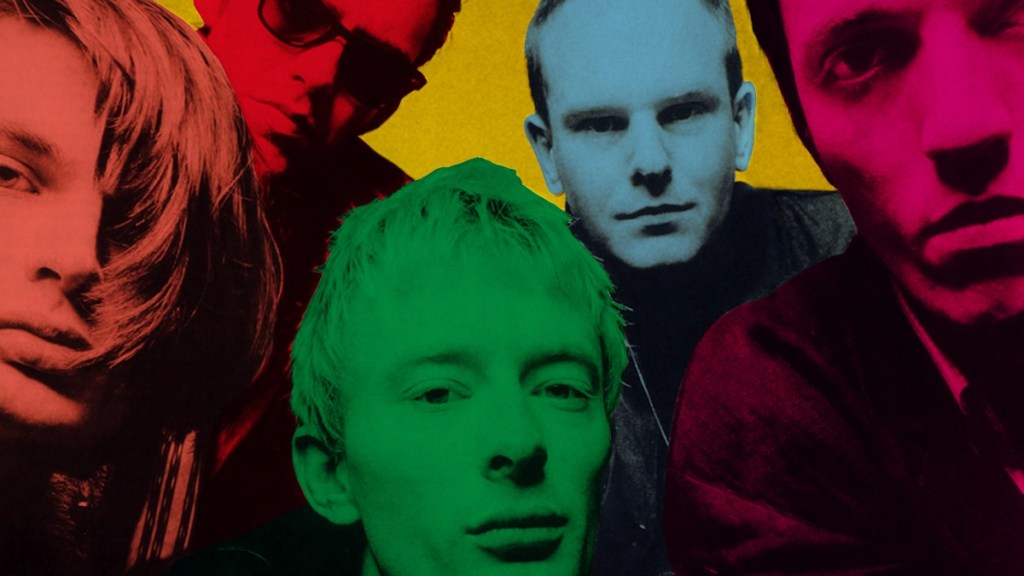
I’ve always seen Radiohead’s distinctive sound as being synonymous with an unavoidable apocalypse (cheery I know). If you don’t know what I mean, I urge you to listen to the last minute of Exit Music (For A Film) and you’ll understand immediately. To me, the bleak, melancholic, gut-wrenching noise of their tracks, supported by Thom Yorke’s strained, neurotic vocal performances, muster up visions of a future where a crumbling dystopia has replaced whatever notions of law and order we previously had. I find this weirdly niche sound lays the foundation for most topics they choose to explore, as the band focuses on the ecstasy that can be found within the face of total agony. Celebrating every last inch of emotion, Radiohead’s Jigsaw Falling Into Place on their album In Rainbows highlights the importance of exercising our right for freedom before it disintegrates into the ether.

One of my most beloved Radiohead songs,  and of all time, ‘Jigsaw’ epitomises this apocalyptic / post-apocalyptic sound I want to explore. Like on Bodysnatchers’ and Weird Fishes/Arpeggibefore it, ‘Jigsaw’ eschews a verse/chorus/verse structure in favour of a gradual build towards a cataclysmic crescendo. The effect of this song structure, along with the abundance of layering musical parts, is that the song’s tempo quickens to an almost frightening rate. Such an increase in tempo constructs a sense of panic that runs throughout the track. If you compare Phil Selway’s drums and Johnny Greenwood’s guitar at the start with those at the end you have two vastly different performances. During the closing moments, each smack of the drum or pluck of a string seems rushed, anxious and out of control. As the song quickens, the precision slips away in favour of speed. It’s almost as if the very track itself is desperately trying to escape from a malevolent presence that’s closing in.

When such a structure is paired with Thom Yorke’s scintillating vocal performance, a dark, foreboding soundscape is inescapable. Yorke begins in a rather controlled manner. For much of the first third of the track we hear a monotone, self-assured man keeping pace with the surrounding instrumentation. It’s only at the 2:16 mark when we see that professional demeanour begin to falter. Yelling ‘The beat goes round and round’, he begins to strain himself, ever so slightly falling behind the pace – panic sets in. As of this moment we hear a different man. A wild man. A scared man. Between each lyric you can make out Yorke gasping for breath as he helplessly tries to compose himself before plunging back in. Along with the erratic twangs of Greenwood’s guitar and deafening pounds of Selway’s drums, Yorke loses control. By the 3:12 mark his vocals perfectly align with the song’s desire to frantically escape. Emotionally drained, we hear every last drop of energy trickle out his throat as he wails into the murk a final battle cry, or maybe it’s a desperate plea for mercy?

The apocalyptic soundscape on ‘Jigsaw’ is undeniable, however, the actual lyrical content suggests it focuses on the everyday. During an interview with NME in 2007, Yorke stated that the song was about how he “used to go out occasionally and witness the chaos of a weekend around here (Oxford)”, a ritual in which he and his friends would try to “forget en masse”. However, in typical Radiohead fashion “there’s a much darker side”, a side that’s up for interpretation, and one which I see as much more than a regular night out.

The track follows the events of a messy, intoxicated night out as two individuals continue to catch each other’s eyes through the drunken haze of a night club, moving around each other’s orbit, desperate for intimacy. With the narrative positioned within the frantic sonic background you can feel a palpable sense of urgency for the two to exercise their desires before the night reaches an end. Upon listening to the song, you can’t help but feel like the end of the night means something more, almost as if this time there will be no morning after. It’s less matter-of-fact and more, in typical apocalyptic Radiohead fashion, a metaphor for something bigger coming to an end.  

With Yorke’s hopelessly strained vocals the lyrics take on a new meaning, one that’s more complex than just a one-off fling. During the second verse he’s almost begging to be noticed as he belts out, “Before you run away from me”. There’s a finality to every action, suggesting he’ll never get this chance again, not just with this partner, but any partner. This feeling reaches its climax in the closing moments of the track:

‘You eye each other as you pass,

She looks back, you look back,

Not just once, not just twice’

Both share a desperate look, mourning what could have been as that sense of finality turns into a realisation. In the face of no tomorrow, we undoubtedly will want to exercise our capacity for human connection, whether that be through a celebration of family, reaching out to a forgotten friend or finding solace within the kindness of strangers. The two in ‘Jigsaw’ are denied this basic liberty of human expression, instead forced to perpetually endure the unforgiving reality of isolation.

They missed their chance, and they won’t get it again.

Stranger Sounds

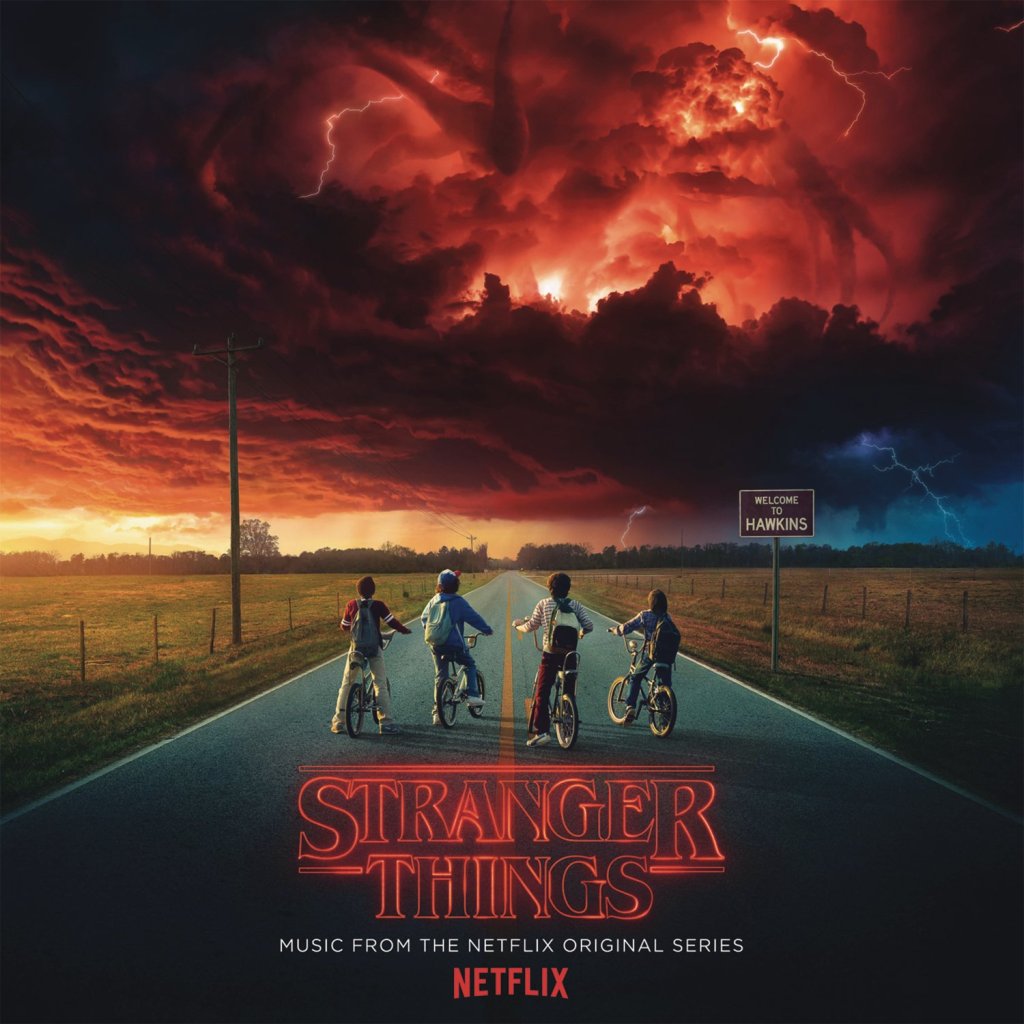
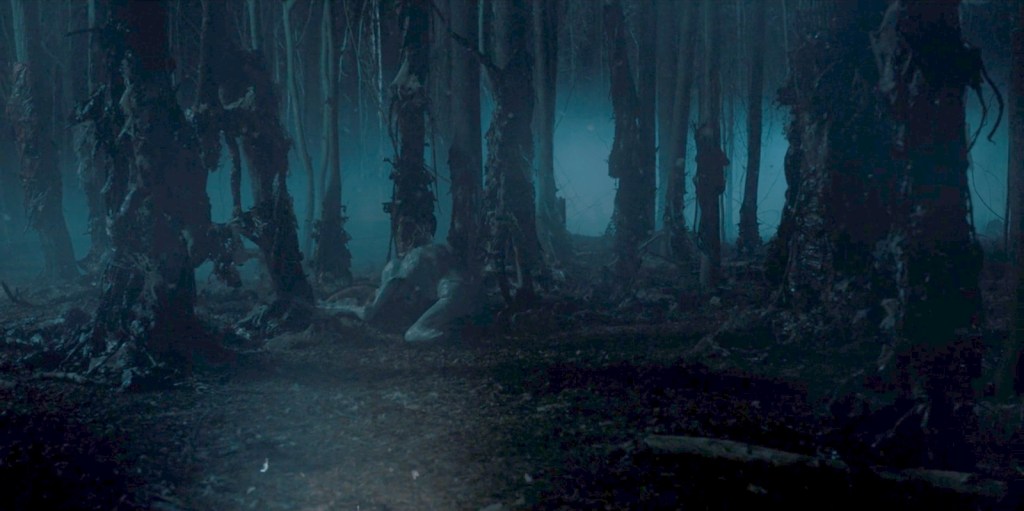
After the huge success of the Duffer Brother’s most recent season of Stranger Things it seems like the perfect time to discuss one of my favourite aspects of the show – the goddam music. Much of the show’s success has come from its innovative storytelling, incorporating everything from small town murder mysteries to grandiose Cold War plots and interdimensional horror stories. For me however, what brings this delicious cocktail of themes all together is the scintillating soundtrack. Amongst all the chaos, the unique ‘sound’ of Stranger Things manages to stand out within both a sonic and narrative sense. Music can play a crucial role in film and TV, often being used to heighten moments of tension, display character development and, in the case of Stranger Things, build the world. Using both an original soundtrack and carefully curated tracks from the 80’s, the Duffer Brothers mould two antithetical spaces through sound; the comforting nostalgia of small-town Hawkins and the eerie, ever present horror of the ‘Upside Down’.

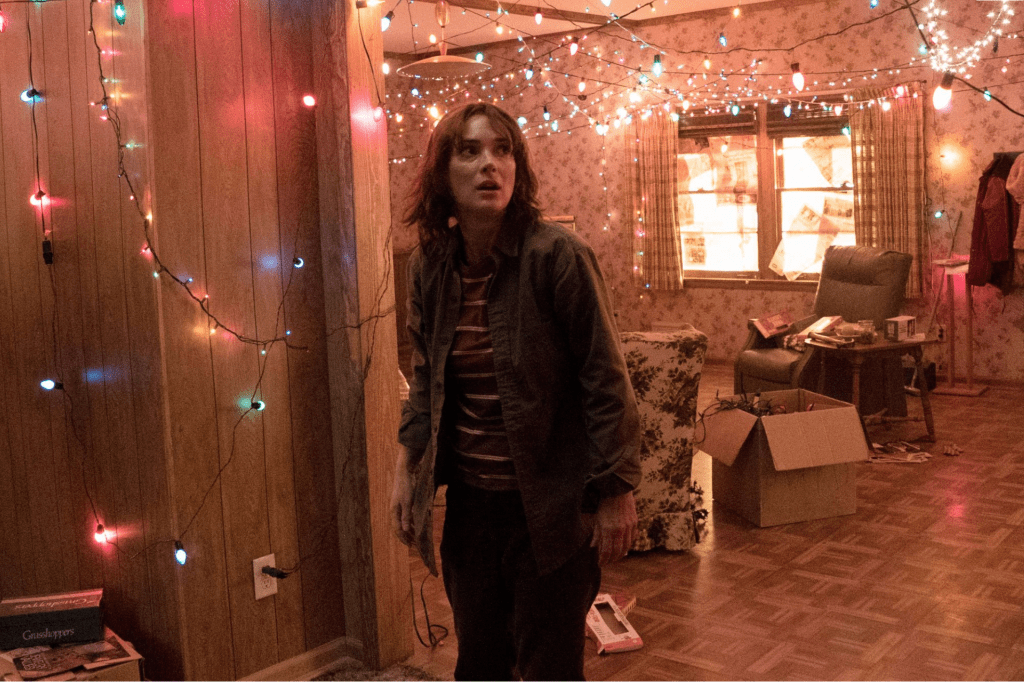
For many, myself included, Stranger Things has become a comfort show. It possesses a certain aesthetic that others can’t grasp. The spectral neon-lighting which accompanies so many of the character’s bedrooms, and especially Mike’s basement, constructs this warming, cosy tone to certain spaces throughout the fictional town of Hawkins. Whilst sprawled out upon the sofa in total comfort, you can’t help but become immersed in the show’s sense of reassurance, almost becoming nostalgic for a place you’ve never even been, and the original soundtrack enhances this feeling. Created by Kyle Dixon and Michael Stein, the synth-laden soundtrack is the perfect companion to the scenes where Mike and the other kids find themselves sharing a moment of solace in the safety of their own rooms. Amongst a catalogue of ethereal electronics, tracks like ‘Kids’ and ‘Friendship’ are two of my personal favourites which perfectly mirror the consoling nostalgia of the early seasons. Mimicking the gentle twinkle of the neon lights, the soft, fluttery synth scores work away in the background, not intruding too much upon our ears, but not fading out of existence. Instead the sound soothes our ear canals with the most delicate of notes which seem to invite us into a warming embrace. These beautifully melodic tracks persist in the backdrop of so many scenes throughout Hawkins, seemingly telling the viewer, everything’s ok, the monster under the bed has gone (for now). It’s moments like these where the work of Dixon and Stein comes into its own. Without uttering a word, the soundtrack instantly informs the viewer which spaces in this world are safe and which aren’t. In creating a sound that embodies a specific feeling, the show uses music to build the rules of its world, we as viewers promptly understand these dimly lit bedrooms are not spaces we need to be wary of.

The flip side of using sound to convey meaning is that whilst we do still have beautifully intimate tracks, we also must have the polar opposite; dark, ominous and downright scary, it’s quite literally the upside down. Way back in season one we get introduced to the ‘Upside Down’; a type of parallel universe consisting of barren, twisted landscapes, apocalyptic cityscapes and unknown horrors even the most psychotic of minds couldn’t fathom. Many of the show’s moments of tension happen within this space, and so the theme must reflect the unique feel of the landscape and inform the viewer that this place is far from the safety of suburban Hawkins. Something lurks within the shadows, and the score conveys that. Still using their trusty synths, Dixon and Stein demonstrate how a change in pitch and tempo can entirely alter the tone of a piece. Time after time when characters from the main cast entire the Upside Down they know just as little about this space as us and the theme works to match that initial curiosity. The first two minutes utilise highly filtered synths which gradually increase in pitch as if to mimic the on-screen characters’ inquisitive demeanour. In utilising sound in such a way, the viewer can understand that this setting is not only new for them but for the characters as well. However, around the 2:33 mark we are met with a drastic change of tone. That sense of playful curiosity has faded away as we are met with the abrasive thump of a menacing bassy synth. The sharp timbre of these notes works to unnerve the viewer, unlike the twinkling progressions used throughout Hawkins, such a sound scratches away at our ears, building an immense sense of suspense. To achieve these inherently daunting notes an analogue synthesiser was used which allows musicians to fine tune their sound into places between notes, therefore finding a noise which cannot be played by hand, lending the score this unnatural, otherworldly aesthetic that encapsulates the twisted dimension we have found ourselves within.  

Whilst tracks like ‘Kids’ use a slightly higher tempo to create an upbeat mood within scenes, the ‘Upside Down’ theme lowers the tempo to 95 BPM, at which point the notes seem to hit at a walking pace, thus signifying whatever is in this new space is beginning its pursuit. As the track continues and the characters delve deeper into the darkness the tempo of these bassy notes increases, whatever lies within the shadows has lost its patience, it’s moving in. By this point a repetitive ticking-like noise joins the fray, along with various soaring synth waves which take the level of tension to new heights. Then bang. All these moving parts cut out, and we’re left with an overwhelmingly distorted sound resembling TV static, as if to say “It’s too late. The hunts over”. At no point within this track can we as the viewer relax, every instrument and note choice has been carefully selected to completely unnerve us and offer no sense of security. Suddenly you’re not just checking for monsters on the screen, but you’re checking for them in your own room. The track epitomises an intense sense of terror that not only constructs an unsafe space on screen but extends it unto our own personal space. It’s a score that both asks questions with an initial sense of curiosity and swiftly replies with a foreboding answer. For me it’s one of the best scores we have heard on TV, whether you’re watching the show for the 1st or 10th time it brilliantly conveys everything you need to know about this space; it’s unknown, it’s dangerous and something is out to getcha…

Used in alliance with the original soundtrack is a carefully curated mixtape featuring all the best tracks the 80s has to offer. These songs not only tap into this weird feeling of faux nostalgia for an era I never grew up in, but most importantly they complete the world we have become invested in. With the original soundtrack’s atmospheric synths conveying the rules, period songs like Toto’s ‘Africa’ and Bon Jovi’s ‘Runaway’ help to construct the show’s place in time and flesh out the wider setting. Music is a brilliant way of dragging us back in time, and when paired with the bright LED lights, slightly questionable fashion sense and simply spectacular mullets of Stranger Things there is no doubting what decade the show is set in. During episode one of season two this 80s aesthetic reaches an almost hilarious climax in a scene where the Duffer Brother’s appeared to say, “fuck it, how many facets of the 80s can we incorporate into one 45 second sequence”. Utilising the Scorpions rock anthem ‘Rock you like a hurricane’, Billy arrives at Hawkins Middle in an 80s blaze of glory. With a scintillating electric guitar solo brewing in the background he unnecessarily revs his behemoth of a car across the car park, before a shot slowly pans to the driver’s side where we see a pair of flared denim jeans and leather boots authoritatively stomp out of the car. As the camera pans up, we’re almost blinded by the double denim and gorgeous mullet, before Billy takes a drag of his ciggie and turns towards the camera as Klaus Meine’s thrashing lyrics proclaim: “Here I am!”.

Fuck yea. The 80s.

Now I realise I’ve probably waffled on for a bit too long here, but I really really really admire how Stranger Things utilises music to immerse the viewer in their universe. Its ingenious mix of spectral synths brings out the emotions associated with certain spaces, whilst the infectious 80s compilation perfectly encapsulates the feel of the era and serves as a brilliant backdrop to a gripping narrative.